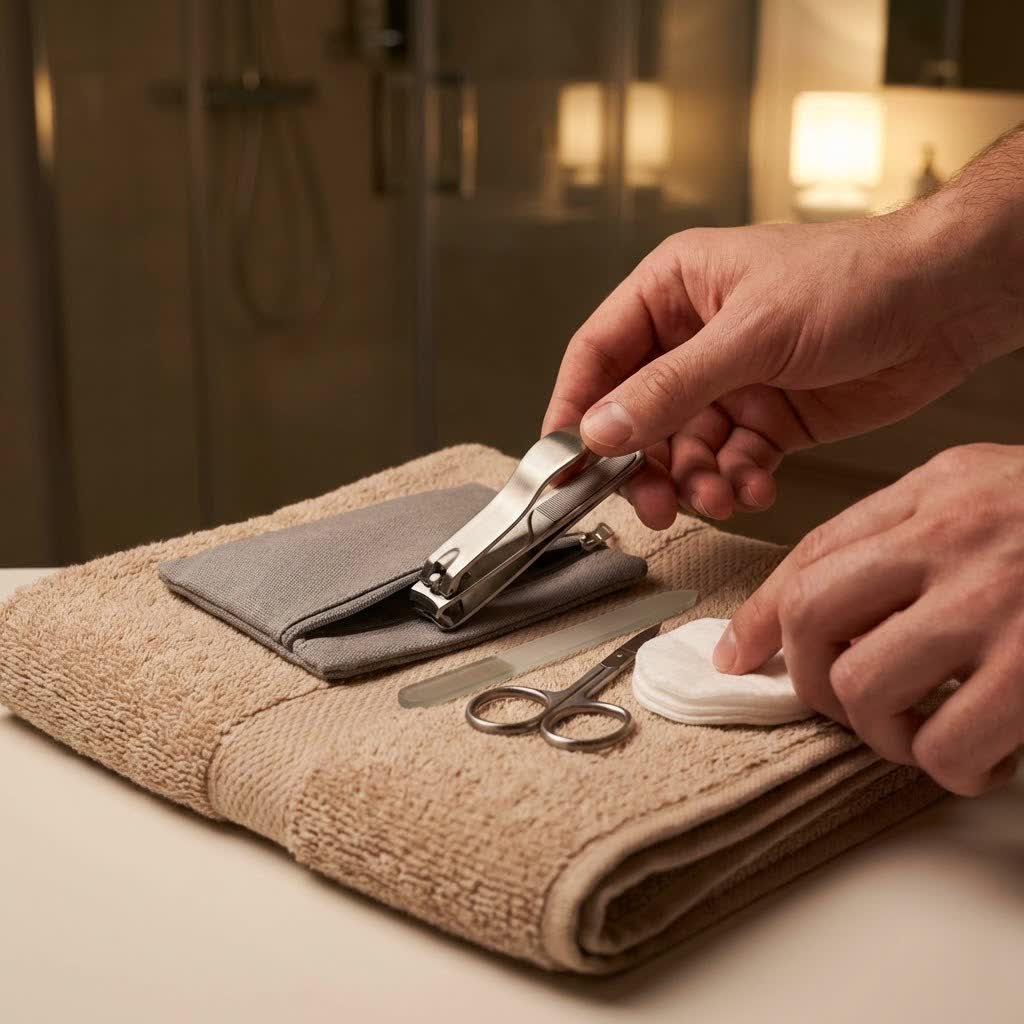
For individuals managing diabetes, routine nail care extends far beyond simple aesthetics; it’s a critical component of overall foot health and a safeguard against serious complications. Due to potential nerve damage (neuropathy), reduced blood flow, and slower healing, a minor nick or improper cut from standard nail clippers can quickly escalate into a severe infection, even leading to amputation. Choosing the right diabetic nail clippers is not merely a preference but a necessity, equipping you with the precision, safety, and comfort needed to maintain healthy nails and prevent harm.
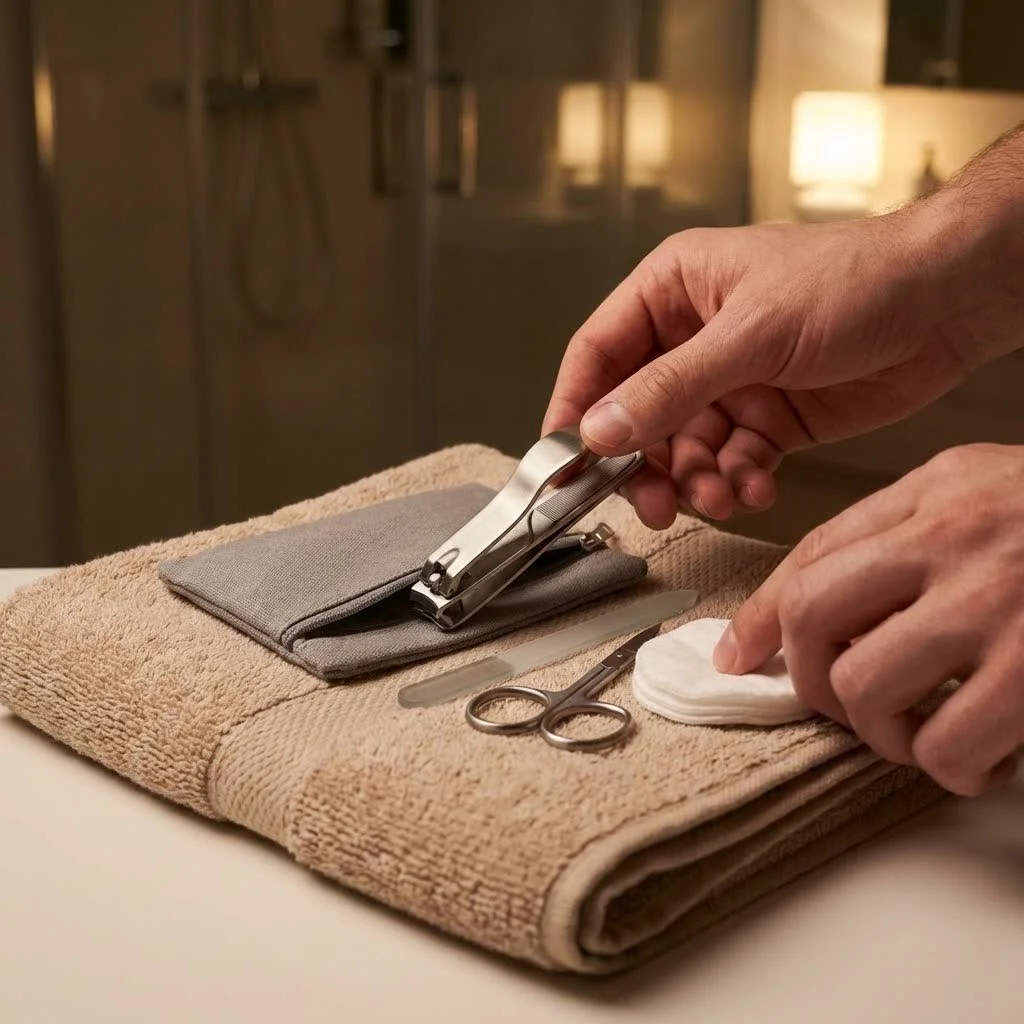
This comprehensive guide will help you understand why specialized clippers are essential for diabetic foot care, explore the various types available, and provide crucial advice on selecting and using the best tools to protect your feet. For reviews buying guides on this site.
Understanding Diabetic Nail Clippers
Diabetic nail clippers are specialized tools designed to address the unique challenges individuals with diabetes face during nail care. Unlike conventional clippers, these instruments prioritize safety, precision, and ergonomics to minimize the risk of injury and infection.
Diabetes can significantly impact foot health. Neuropathy can diminish sensation in the feet, meaning you might not feel a small cut or irritation. Poor circulation further hinders the body’s ability to heal wounds and fight off infections, making even minor injuries potentially dangerous. Furthermore, diabetes can lead to thickened, brittle, or ingrown nails, which are more challenging to trim safely with standard tools. Specialized diabetic nail clippers are engineered to circumvent these risks, offering features that promote a safer and more effective trimming experience.
The evolution of these tools reflects a growing understanding of diabetic foot care, moving from basic household items to precision-engineered instruments. Modern designs incorporate insights from podiatry to ensure maximum protection.
Types of Diabetic Nail Clippers
The market offers various types of diabetic nail clippers, each with distinct features tailored to different needs and nail conditions. Understanding these variations will help you choose the most suitable tool for your personal care.
Plier-Style Nippers
Plier-style nippers, often referred to as toenail nippers, resemble small pliers and are a common choice for individuals with diabetes, particularly for thicker nails. They feature strong, sharp blades and a spring-loaded mechanism that provides increased leverage and control.
- Advantages: Excellent for cutting thick, tough toenails with less effort. The extended handles often provide a better grip and reach. Their precise cutting action can help prevent jagged edges.
- Disadvantages: Can be extremely sharp, requiring careful handling to avoid accidental cuts. Some users might find them intimidating initially due to their robust appearance.
- Usage: Best used to cut nails straight across, avoiding rounding the corners to prevent ingrown toenails. Ensure blades are clean and sterilized before and after each use.
Straight-Edged Clippers
|
Our Picks for the Best Nail Clippers in 2026
As an Amazon Associate I earn from qualifying purchases.
|
||
| Num | Product | Action |
|---|---|---|
| 1 | HAWATOUR Nail Clippers Set, Ultra Sharp Sturdy Fingernail and Toenail Clipper Cutters with Visibly Tin Case, Black |

|
| 2 | Nail Clipper Set,Premium Stainless Steel Fingernail and Toenail Clipper Cutters with Nail File, Sharp Effortless Nail Clippers Set for Men & Women(Silver) |
|
| 3 | 2026 Upgraded 3-in-1 Electric Nail Clipper,Rechargeable Electric Nail File & Toenails, 6 Speeds with LED Light & Nail Debris Storage,Suitable for Children,Adults,Seniors to use Electric Nail Trimmer |
|
| 4 | Toenail Clippers for Thick Toenails for Seniors, Angled Head Large Toe Nail Clippers for Thick Nails for Men, Heavy Duty Ingrown Toenail Clippers with Wide Jaw, Sharp Slanted Nail Cutter Black |
|
| 5 | 4-in-1 Electric Nail Clipper with LED Light – Quiet Rechargeable Nail Grooming Kit, Grinder & Polisher, 2 Speed, Nail Debris Collector, Portable Gift Set |
|
| 6 | Upgraded Toenail Clippers for Thick Toenails for Seniors, Angled Head Large Toe Nail Clippers Set for Men, Heavy Duty Ingrown Toenail Clippers Long Handled, Ultra Sharp Slanted Nail Cutter Wide Jaw |
|
| 7 | SZQHT Ultra Wide Jaw Opening Nail Clippers Set, Toenail Clippers for Thick Nails, Heavy Duty Nail Cutter, Stainless Steel Toe Nail Clippers for Seniors, Men & Women Manicure,Pedicure,Big(Black) |
|
| 8 | Toenail Clippers for Seniors Thick Toenails, Aucurwen Heavy Duty Toe Nail Clippers Adult Thick Nails Long Handle, Large Toenail Clippers for Thick Nails 7Pcs |
|
| 9 | Ultra Sharp Nail Clippers Set - 2 Pack Stainless Steel Fingernail & Toenail Trimmers with Built-in Nail File for Women & Seniors (Silver) |
|
| 10 | HAWATOUR Nail Clippers Set, Ultra Sharp Sturdy Fingernail and Toenail Clipper Cutters with Visibly Tin Case, Silver |
|
While many standard clippers have curved blades, straight-edged clippers are often recommended for diabetic nail care, especially for toenails. Cutting nails straight across is crucial for preventing ingrown toenails, a common and dangerous complication for diabetics.
- Advantages: Promotes proper nail cutting technique, significantly reducing the risk of ingrown toenails. Provides a clean, even cut.
- Disadvantages: May not be as effective for extremely thick or severely ingrown nails, which might require a podiatrist.
- Usage: Always cut straight across, leaving a small amount of white nail visible. Use a file to gently smooth any sharp edges.
Heavy-Duty/Thick Nail Clippers
These clippers are specifically designed to tackle extremely thick, hardened, or fungal nails that regular clippers cannot manage. They typically feature wide jaw openings, robust construction, and extra-sharp blades.
- Advantages: Can effectively cut through the toughest nails, minimizing strain and multiple attempts. Often come with ergonomic handles for enhanced grip.
- Disadvantages: Their powerful nature means they must be used with extreme caution to prevent injury. May not be suitable for everyday use on thinner nails.
- Usage: Best for individuals whose nails have significantly thickened due to diabetes or fungal infections. Consider professional assistance if nails are severely affected.
Podiatrist-Recommended Clippers
Podiatrist-recommended clippers often encompass aspects of the above types, prioritizing medical-grade materials, ergonomic design, and precise, clean cutting. These tools are often made from high-quality stainless steel and are designed for durability and repeated sterilization. For some individuals, especially those with severe neuropathy, vision impairment, or significant foot deformities, professional nail care by a podiatrist is the safest option.
Comparison Table: Diabetic Nail Clipper Types
To help you visualize the differences, here’s a comparison of common diabetic nail clipper types:
| Feature | Plier-Style Nippers | Straight-Edged Clippers | Heavy-Duty Clippers |
|---|---|---|---|
| Material | Medical-grade stainless steel | High-grade stainless steel | Heavy-gauge stainless steel |
| Blade Type | Sharp, often slightly curved or straight | Straight | Extra sharp, often straight or slightly angled |
| Jaw Opening | Standard to wide | Standard | Very wide |
| Handle Design | Ergonomic, spring-loaded, often longer | Standard, often with textured grip | Reinforced, often longer for leverage, non-slip |
| Best For | Thick, tough toenails; ingrown nail prevention | Preventing ingrown nails; general toenail trimming | Severely thick, brittle, or fungal nails |
| Ease of Use | Requires careful handling due to sharpness | Relatively easy, good for consistent cuts | Requires significant caution due to blade strength |
| Risk Factor | Moderate to high if not used carefully | Low if used correctly | Moderate to high; professional use often advised |
| Price Range | Mid to high | Low to mid | Mid to high |
Choosing the Right Diabetic Nail Clippers (Buying Guide)
Selecting the ideal diabetic nail clippers involves careful consideration of several factors to ensure safety, efficacy, and comfort. Your choice can significantly impact your foot health, so prioritize features that cater specifically to diabetic needs.
Key Factors to Consider When Choosing Diabetic Nail Clippers:
- Material (Stainless Steel, Carbon Steel): Opt for clippers made from high-quality medical-grade stainless steel. This material is rust-resistant, durable, and can be easily sterilized, which is paramount for preventing infections. Some professional tools might use carbon steel for extreme sharpness, but these require diligent care to prevent rust.
- Blade Sharpness and Durability: Sharp blades are essential for a clean cut. Dull blades can tear or splinter the nail, increasing the risk of injury and potential infection. Look for clippers with hand-sharpened blades that maintain their edge over time. Durability ensures the clippers will withstand repeated use and sterilization.
- Design and Size Suitable for Your Hands: Ergonomics are crucial. Choose clippers with an comfortable, non-slip grip that fits well in your hand to prevent slippage. A longer handle can be beneficial for those with limited mobility or difficulty bending. Spring-action designs can reduce the effort required to cut, which is helpful for individuals with arthritis or reduced hand strength.
- Safety Features (Straight Edge, Wide Jaw, Lever Action):
- Straight Edge Blades: As discussed, straight blades are highly recommended for toenails to promote cutting straight across and prevent ingrown toenails.
- Wide Jaw Opening: For individuals with thicker nails, a clipper with a wide jaw opening is indispensable, allowing for a single, clean cut rather than multiple attempts that can cause damage.
- Lever Action/Spring Mechanism: A smooth, controlled lever action or spring mechanism ensures precision and reduces the chance of accidental slips.
- Reputable Brand: Invest in clippers from well-known brands that specialize in diabetic or medical-grade foot care tools. Reviews and recommendations from podiatrists or medical professionals can guide your choice. Brands like Blizzard or Healthy Seniors are often cited for their quality.
- Price Suitable for Your Budget: While quality is paramount, clippers are available across a range of price points. View them as an investment in your health. More expensive models often indicate superior materials and craftsmanship, leading to greater durability and safer use over time.
Where to Purchase Diabetic Nail Clippers
You can find suitable diabetic nail clippers at various retailers:
- Medical Supply Stores: These stores often carry a dedicated selection of foot care tools specifically designed for individuals with diabetes, often recommended by healthcare professionals.
- Pharmacies: Larger pharmacies may stock a range of specialized nail care products.
- Online Retailers: Websites like Amazon, Walmart, or specialized medical supply sites offer a vast selection, allowing you to compare features and read customer reviews. Be sure to check seller ratings and product specifications carefully.
How to Maintain Your Diabetic Nail Clippers to Increase Longevity
Proper maintenance is critical for the hygiene and longevity of your diabetic nail clippers.
- Clean and Sanitize: Always clean your clippers before and after each use. Use rubbing alcohol and a cotton swab to sanitize the blades. This step is vital to prevent the transfer of bacteria or fungi that could lead to infection, particularly crucial for diabetics.
- Dry Thoroughly: Ensure the clippers are completely dry before storing them to prevent rust, especially if they are not made from entirely rust-proof stainless steel.
- Store Properly: Keep your clippers in a clean, dry place, ideally in a protective pouch or case, to maintain their sharpness and prevent contamination.
- Sharpening: If your clippers become dull, consider having them professionally sharpened or replacing them if sharpening is not an option. Dull blades are a hazard.
Top Picks: Evaluating the Best Diabetic Nail Clippers
Choosing from the myriad of options can be daunting. Here’s a look at some highly-regarded diabetic nail clippers that meet key safety and functionality criteria. While specific product availability may vary, these examples illustrate the features to prioritize.
1. Podiatrist-Grade Plier Nippers (e.g., Blizzard® Diabetic Clippers)
These German-forged, medical-grade stainless steel clippers are often trusted by professionals and recommended for their robust construction and precision.
- Advantages:
- Ultra-Sharp Blades: Hand-sharpened to ensure a clean cut through even the thickest nails without splitting.
- Ergonomic Design: Features ergonomic handles for comfortable and stable grip, essential for individuals with limited hand strength or dexterity.
- Concave Head Precision: Designed to follow the natural nail curve, ideal for controlled trimming of ingrown nails.
- Durability: Rust-resistant, medical-grade stainless steel built for years of heavy use.
- Disadvantages: Can be a higher price point compared to standard clippers. The extreme sharpness requires careful handling.
- Detailed Assessment: These clippers are an excellent investment for anyone with thick, hard, or ingrown toenails. Their professional-grade quality means they are built to last and provide consistent performance, reducing the risk of accidental injury.
2. Healthy Seniors Nail Clipper Set
This type of set often includes clippers with longer handles and a wider jaw opening, designed with the elderly and those with conditions like arthritis or diabetes in mind.
- Advantages:
- Long Handles: Facilitates reaching toenails without excessive bending or straining, beneficial for individuals with mobility issues.
- Wide Jaw Opening: Capable of cutting thick nails with ease, making them suitable for diabetic individuals whose nails may be tougher.
- User-Friendly: Often designed for easy use, reducing the effort needed for trimming.
- Comprehensive: May include additional tools like files for complete nail care.
- Disadvantages: The extended length might feel less precise for some users. Quality can vary between different brands offering “senior” sets.
- Detailed Assessment: For those seeking improved reach and reduced strain, a well-designed senior nail clipper set can be highly effective. The focus on accessibility and ease of use makes them a practical choice for daily maintenance.
3. Seki Edge SS-107 Stainless Steel Toenail Clipper
Praised for its clean cutting and ergonomic design, the Seki Edge SS-107 is a highly-rated option for general toenail care, which can also be suitable for diabetics due to its precision.
- Advantages:
- Seamless Cutting: Slices through nails effortlessly, minimizing the risk of tearing or cracking.
- Ergonomic Grip: Wider design provides a secure and comfortable grip.
- High-Quality Construction: Made from durable stainless steel, ensuring longevity.
- Disadvantages: May not have as wide a jaw opening as dedicated heavy-duty clippers, making it less ideal for extremely thick nails. Can sometimes be out of stock due to popularity.
- Detailed Assessment: While not exclusively marketed as “diabetic,” its reputation for precision and clean cuts makes it a strong contender for those who prioritize a reliable, high-quality tool. Always ensure the blades are straight or suitable for your specific nail care needs.
“For individuals with diabetes, every tool used for foot care must be selected with the utmost attention to safety. A minor cut can lead to severe complications, underscoring the importance of sharp, precise, and sterile nail clippers.” – Dr. Alex Chen, Podiatrist specializing in Diabetic Foot Health.
Conclusion
Navigating nail care with diabetes requires vigilance and the right tools. Investing in high-quality diabetic nail clippers is a proactive step toward preventing injuries and maintaining optimal foot health. By understanding the unique challenges diabetes presents, choosing clippers with features like sharp, straight blades, ergonomic handles, and durable materials, and practicing proper hygiene, you can perform essential self-care safely. Remember, if you have severe nail issues, neuropathy, or find it difficult to trim your nails safely, consulting a podiatrist is always the best course of action.
What steps will you take today to ensure your diabetic foot care routine is as safe and effective as possible?
Frequently Asked Questions
Why are regular nail clippers not recommended for diabetics?
Regular nail clippers may lack the precision, sharpness, and ergonomic design needed to safely trim diabetic nails, increasing the risk of cuts, tears, or ingrown nails. Given slower healing and increased infection risk in diabetics, these minor injuries can become serious complications.
How often should diabetics trim their toenails?
It is generally recommended for diabetics to trim their toenails every six to eight weeks, though this can vary based on individual nail growth. Over-trimming can stress nail beds, while waiting too long can lead to overgrowth and issues like subungal ulceration.
Should diabetics cut their own cuticles?
No, diabetics should never cut their cuticles. Cutting cuticles can create open wounds, providing an entry point for bacteria and increasing the risk of infection, which is particularly dangerous for individuals with diabetes.
Can diabetics get pedicures at a salon?
While possible, it’s often advisable for diabetics to skip salon pedicures due to infection risks from unsterilized tools or improper techniques. If you do go, ensure the salon adheres to strict hygiene protocols and consider bringing your own sterilized tools.
What should I do if I accidentally cut myself while trimming my nails?
If a diabetic accidentally cuts themselves, they should immediately clean the wound with mild soap and water, apply a sterile dressing, and contact their doctor or podiatrist promptly. Even small cuts can lead to serious infections without proper medical attention.
Get our weekly buyer guide
Practical specs, not advice. Unsubscribe anytime.
