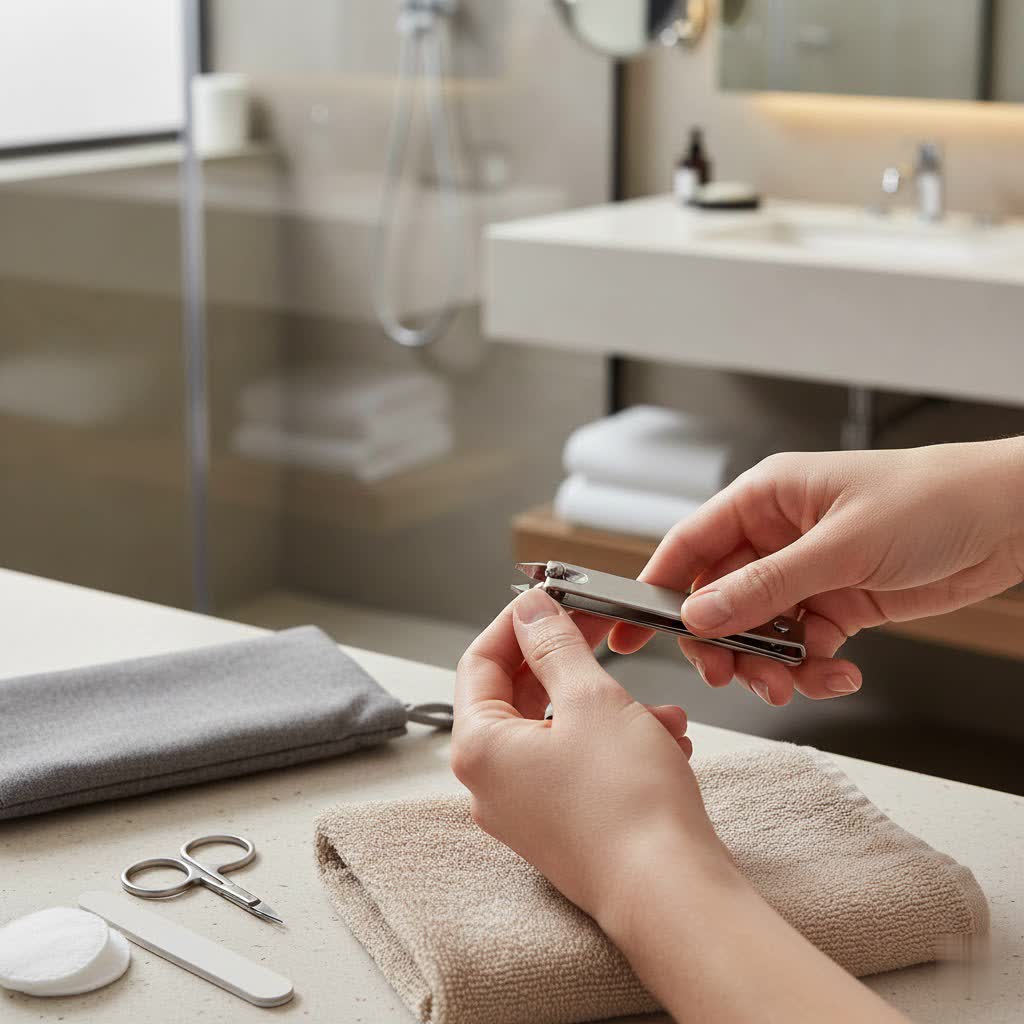
Nail care, often an overlooked aspect of personal grooming, plays a vital role in both hygiene and appearance. The right tool can transform a mundane chore into a satisfying act of self-care, yielding impeccably trimmed nails and preventing common issues like snags or infections. But with a seemingly endless array of options available, how do you choose the perfect nail clipper for your unique needs? From simple lever-action models to specialized nippers and electric variants, understanding the diverse types of nail clippers is the first step toward achieving a flawless manicure or pedicure at home.
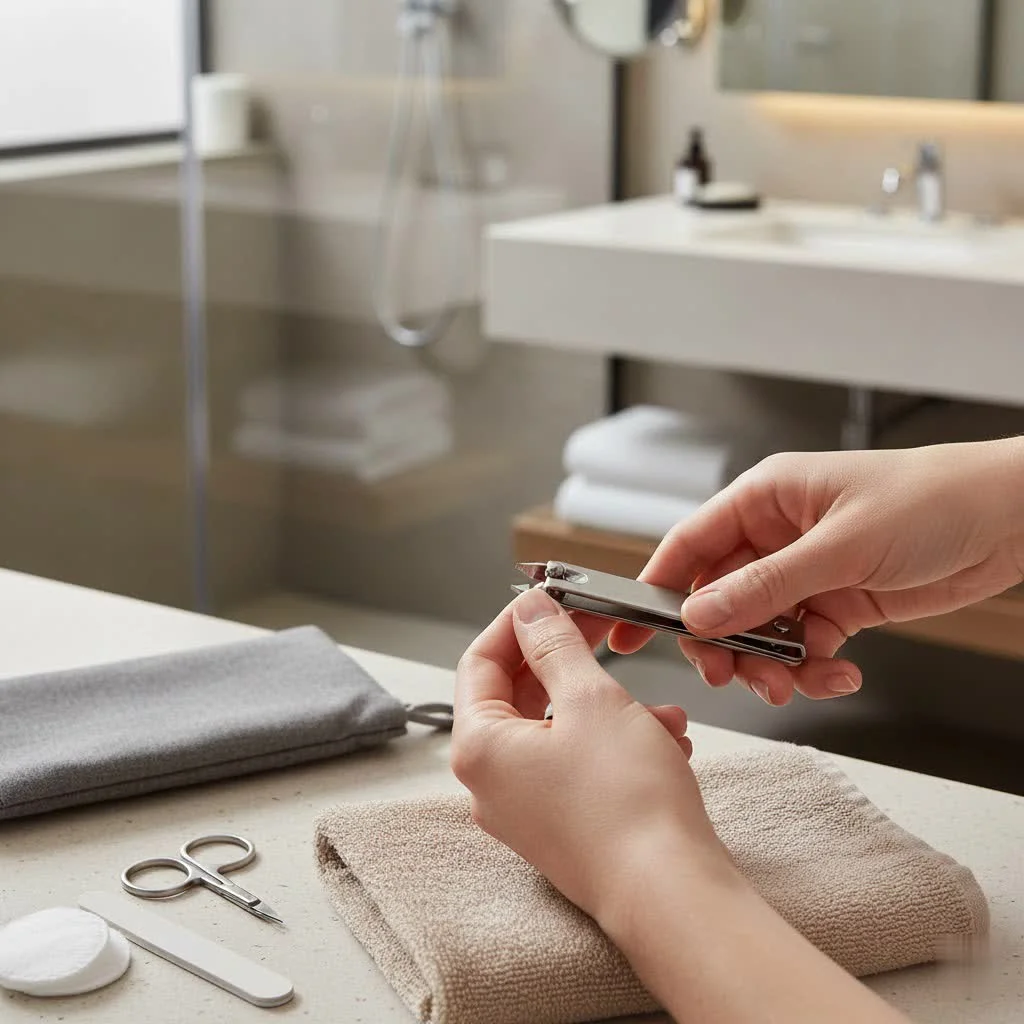
An Overview of Nail Clippers
At its core, a nail clipper is a hand tool designed to trim fingernails and toenails. While the basic function remains consistent, the evolution of these tools has led to a variety of designs, each optimized for different nail types, personal preferences, and specific challenges. Historically, nail care involved simpler instruments like knives or files. The modern nail clipper, as we know it, emerged in the late 19th and early 20th centuries, simplifying and standardizing the process of keeping nails neat and tidy. Today, the market offers a diverse range of clippers, categorized primarily by their mechanism and intended use.
Popular Types of Nail Clippers
Choosing the right nail clipper begins with identifying the various types and understanding their distinct advantages and ideal applications.
Lever-Type Nail Clippers (Standard Clippers)
These are the most ubiquitous and recognizable nail clippers. Characterized by their simple lever mechanism, you press down on a handle to bring two sharpened blades together. They typically come with either a straight or a curved cutting edge.
- Advantages: Highly affordable, widely available, easy to use, and compact for portability. Curved blades are excellent for following the natural contour of fingernails, while straight-edge variants are often preferred for toenails to help prevent ingrown issues.
- Disadvantages: May require significant hand strength for thicker nails. Can sometimes lead to uneven cuts if not used carefully, and blades might dull over time, potentially crushing rather than cleanly cutting the nail.
- Best For: Regular fingernail trimming, everyday use, light to medium thickness nails.
Nipper-Type Nail Clippers (Pliers/Nippers)
Nipper-type clippers resemble small pliers and are known for their robust construction and superior cutting power. They feature a spring-loaded handle and sharp, often angled blades, providing excellent leverage and precision.
- Advantages: Exceptional for cutting thick, tough toenails, acrylic nails, or even ingrown nails. The design offers greater control and allows for more precise cuts in hard-to-reach areas. Often used by professionals in salons.
- Disadvantages: Generally more expensive than standard clippers. Requires a steady hand and some practice to master for precise results. Can be too powerful for delicate nails.
- Best For: Thick toenails, ingrown nails, tough fingernails, professional use, precise cutting.
Scissor-Type Nail Clippers (Nail Scissors)
|
Our Picks for the Best Nail Clippers in 2026
As an Amazon Associate I earn from qualifying purchases.
|
||
| Num | Product | Action |
|---|---|---|
| 1 | Ultra Sharp Nail Clippers Set - 2 Pack Stainless Steel Fingernail & Toenail Trimmers with Built-in Nail File for Women & Seniors (Silver) |

|
| 2 | Nail Clipper Set,Premium Stainless Steel Fingernail and Toenail Clipper Cutters with Nail File, Sharp Effortless Nail Clippers Set for Men & Women(Silver) |
|
| 3 | 4-in-1 Electric Nail Clipper with LED Light – Quiet Rechargeable Nail Grooming Kit, Grinder & Polisher, 2 Speed, Nail Debris Collector, Portable Gift Set |
|
| 4 | Toenail Clippers for Seniors Thick Toenails, Aucurwen Heavy Duty Toe Nail Clippers Adult Thick Nails Long Handle, Large Toenail Clippers for Thick Nails 7Pcs |
|
| 5 | Upgraded Toenail Clippers for Thick Toenails for Seniors, Angled Head Large Toe Nail Clippers Set for Men, Heavy Duty Ingrown Toenail Clippers Long Handled, Ultra Sharp Slanted Nail Cutter Wide Jaw |
|
| 6 | HAWATOUR Nail Clippers Set, Ultra Sharp Sturdy Fingernail and Toenail Clipper Cutters with Visibly Tin Case, Black |
|
| 7 | HAWATOUR Nail Clippers Set, Ultra Sharp Sturdy Fingernail and Toenail Clipper Cutters with Visibly Tin Case, Silver |
|
| 8 | Toenail Clippers for Thick Toenails for Seniors, Angled Head Large Toe Nail Clippers for Thick Nails for Men, Heavy Duty Ingrown Toenail Clippers with Wide Jaw, Sharp Slanted Nail Cutter Black |
|
| 9 | 2026 Upgraded 3-in-1 Electric Nail Clipper,Rechargeable Electric Nail File & Toenails, 6 Speeds with LED Light & Nail Debris Storage,Suitable for Children,Adults,Seniors to use Electric Nail Trimmer |
|
| 10 | SZQHT Ultra Wide Jaw Opening Nail Clippers Set, Toenail Clippers for Thick Nails, Heavy Duty Nail Cutter, Stainless Steel Toe Nail Clippers for Seniors, Men & Women Manicure,Pedicure,Big(Black) |
|
As the name suggests, these clippers look and function much like small, sharp scissors. They offer a different grip and cutting action compared to traditional clippers.
- Advantages: Provide excellent control and precision, making them ideal for delicate tasks. They are often recommended for individuals with weaker hand strength, fine motor skill challenges, or for trimming the nails of infants and young children due to their gentle cutting action.
- Disadvantages: May not be suitable for very thick or hard nails. Can be bulky to carry compared to compact lever clippers.
- Best For: Baby nails, delicate fingernails, thin nails, individuals with limited hand strength or dexterity.
Electric Nail Clippers
Electric nail clippers offer a modern, often hands-free approach to nail trimming. These battery-powered devices typically feature a rotating blade that files down the nail, sometimes with a built-in light and debris catcher.
- Advantages: Extremely convenient and user-friendly, especially for individuals with arthritis, dexterity issues, or visual impairments. Reduces the risk of accidental nicks or over-cutting. Many models also include filing and buffing functions.
- Disadvantages: Can be less precise than manual clippers for shaping. Generally more expensive. Requires batteries and may produce some noise during operation.
- Best For: Individuals with mobility limitations, elderly users, those seeking maximum convenience and safety, children (with appropriate safety features).
Specialized Nail Clippers
Beyond the primary categories, certain clippers are designed for highly specific applications:
- Toenail Clippers: While often falling under the lever or nipper categories, dedicated toenail clippers are typically larger, stronger, and often feature a straight cutting edge to reduce the risk of ingrown toenails. Their robust build handles the tougher texture of toenails with ease.
- Baby Nail Clippers: These are a specialized form of scissor-type or small lever-type clippers, designed with rounded tips and smaller blades to safely trim the soft, tiny nails of infants without harming their delicate skin.
Comparing Different Nail Clipper Types
To help you navigate the options, here’s a detailed comparison of the most common nail clipper types:
| Feature | Lever-Type (Standard) | Nipper-Type (Pliers) | Scissor-Type (Nail Scissors) | Electric-Type (Automated) |
|---|---|---|---|---|
| Ideal For | Fingernails, regular use | Thick nails, toenails, ingrown nails | Delicate nails, baby nails, fine work | Elderly, limited dexterity, convenience |
| Blade Type | Curved or straight | Sharp, often angled | Small, precise scissor blades | Rotating abrasive or cutting head |
| Ease of Use | Very easy for most | Requires practice for precision | Good control for delicate tasks | Very easy, minimal effort |
| Cutting Power | Moderate | High, excellent leverage | Low to moderate | Moderate (filing action) |
| Precision | Moderate | High (once mastered) | High | Moderate (for shaping), High (for safety) |
| Material | Stainless steel, carbon steel | Stainless steel | Stainless steel | Plastic casing, metal/abrasive head |
| Portability | High (compact) | Moderate (can be bulkier) | Moderate | Low (often larger, battery-dependent) |
| Price Range | Low to Moderate | Moderate to High | Low to Moderate | Moderate to High |
| Maintenance | Clean after use, keep dry | Clean thoroughly, oil joint | Clean after use, keep dry | Clean head, charge/replace batteries |
How to Choose the Right Nail Clippers (Buying Guide)
Selecting the best nail clippers for your needs involves considering several crucial factors beyond just the type.
Key Factors to Consider When Choosing Nail Clippers:
- Material: High-quality stainless steel is often preferred for its rust resistance, durability, and ability to hold a sharp edge. Carbon steel offers exceptional sharpness but requires more meticulous care to prevent rust. Avoid flimsy materials that can bend or dull quickly.
- Blade Sharpness and Durability: Sharp blades are essential for clean, precise cuts. Dull blades can tear, split, or crush the nail, leading to discomfort and potential damage. Look for clippers with precision-ground blades that will maintain their edge over time.
- Design and Size: An ergonomic design ensures a comfortable and secure grip, reducing strain and improving control, especially during longer grooming sessions or for individuals with conditions like arthritis. Consider the size relative to your hands and the nails you’ll be trimming. Smaller clippers are ideal for fingernails and travel, while larger, more robust clippers are better suited for toenails.
- Brand Reputation: Investing in products from reputable brands often guarantees better quality, consistent performance, and reliable customer support.
- Price: While budget-friendly options are abundant, remember that quality often correlates with price. A slightly higher investment in a well-made clipper can save you money in the long run by offering superior performance and durability.
Where to Buy Nail Clippers?
Nail clippers are readily available at most pharmacies, beauty supply stores, supermarkets, and online retailers. For specialized or professional-grade clippers, consider dedicated beauty supply stores or reputable online marketplaces that offer a wider selection and detailed product information.
How to Maintain Your Nail Clippers to Increase Lifespan:
Proper care can significantly extend the life and effectiveness of your nail clippers. Always clean your clippers after each use, preferably with an alcohol wipe, to remove nail debris and bacteria. Ensure they are completely dry before storing them in a clean, dry place to prevent rust. For nippers or those with hinge mechanisms, a tiny drop of lubricating oil periodically can keep the action smooth.
Top Picks – Exemplary Nail Clippers for Diverse Needs
While specific product recommendations are best made after hands-on testing, we can highlight what makes certain clippers stand out based on their design and features for different users.
- For Everyday Fingernail Grooming: Look for a premium lever-type clipper crafted from high-grade surgical stainless steel, featuring a slightly curved, exceptionally sharp blade. An ergonomic handle with a textured grip ensures comfortable, slip-resistant use. Such a clipper offers consistently clean, effortless cuts for fingernails, maintaining their health and appearance with ease.
- For Challenging Toenails and Thick Nails: An advanced nipper-style clipper with robust, precisely aligned straight or slightly angled jaws is paramount. Seek models made from heavy-duty stainless steel with a double-spring mechanism for smooth action and maximum leverage. A longer handle and anti-slip coating provide the necessary control for tackling even the toughest or ingrown toenails without strain.
- For Baby and Delicate Nails: A purpose-built scissor-type nail clipper with small, thin, and gently curved blades, coupled with rounded safety tips, is ideal. Opt for designs that offer an ultra-smooth cutting action and an easy-grip handle, allowing parents to trim tiny, soft nails with confidence and precision, minimizing the risk of nicks.
- For Effortless & Safe Trimming: An innovative electric nail file/clipper that gently and safely grinds nails down is a top choice for those seeking convenience or facing dexterity challenges. The best models feature multiple speed settings, a quiet motor, an integrated LED light for visibility, and an efficient debris collection system for a mess-free experience.
“The right nail clipper isn’t just a tool; it’s an investment in your nail health and overall confidence. Prioritize sharpness, ergonomics, and material quality for results that truly make a difference.”
Conclusion
Navigating the world of nail clippers might seem intricate, but understanding the core types and their specific strengths empowers you to make informed decisions. Whether you opt for the familiar ease of a lever-type, the powerful precision of a nipper, the gentle touch of nail scissors, or the innovative convenience of an electric model, choosing wisely ensures healthy, beautifully trimmed nails. By considering factors like material, blade sharpness, and ergonomic design, and committing to proper maintenance, you’ll find the perfect grooming companion.
What type of nail clipper has transformed your nail care routine the most?
Frequently Asked Questions
What is the difference between fingernail clippers and toenail clippers?
Fingernail clippers are typically smaller with curved blades to match the natural curve of fingernails. Toenail clippers are larger, sturdier, and often have straight blades to prevent ingrown toenails and handle thicker nail plates.
Can I use regular nail clippers for thick toenails?
While you can, it’s generally not recommended. Standard clippers may struggle with thick toenails, potentially causing splintering, discomfort, or damage to the clipper itself. Nipper-type or heavy-duty toenail clippers are specifically designed for this purpose, offering better leverage and precision.
How often should I replace my nail clippers?
There’s no strict rule, but you should consider replacing them when the blades become dull, misaligned, or if the clipper shows signs of rust or damage. Dull blades can tear nails rather than cut them cleanly, increasing the risk of nail damage and infection.
Are electric nail clippers safe for children?
Many electric nail clippers are designed with safety features that make them suitable for children, such as gentle filing actions and guards to prevent skin contact. However, always check the product’s age recommendations and supervise use.
How do I prevent my nail clippers from rusting?
To prevent rust, always clean your nail clippers thoroughly after each use to remove moisture and debris. Dry them completely before storing them in a dry environment. For carbon steel clippers, a light coat of oil can also help.
Get our weekly buyer guide
Practical specs, not advice. Unsubscribe anytime.
