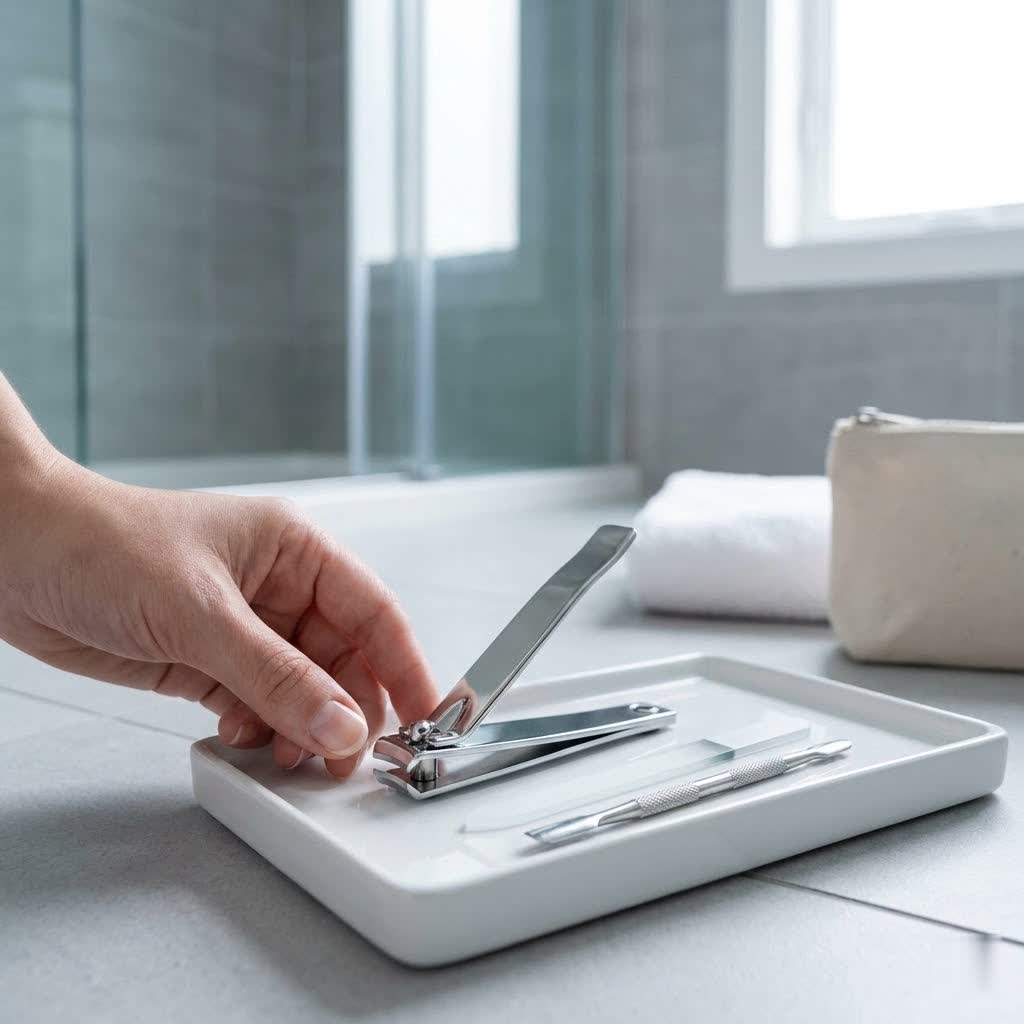
As we age, simple self-care tasks can become surprisingly challenging. Trimming toenails, a routine most of us take for granted, can transform into a difficult and even risky endeavor for seniors facing issues like reduced flexibility, diminished eyesight, or conditions such as arthritis. Standard nail clippers often fall short, leading to frustration, discomfort, and potentially dangerous nicks or ingrown nails. Fortunately, a new generation of specialized toe nail clippers for the elderly is designed to restore ease, safety, and independence to this essential grooming task.
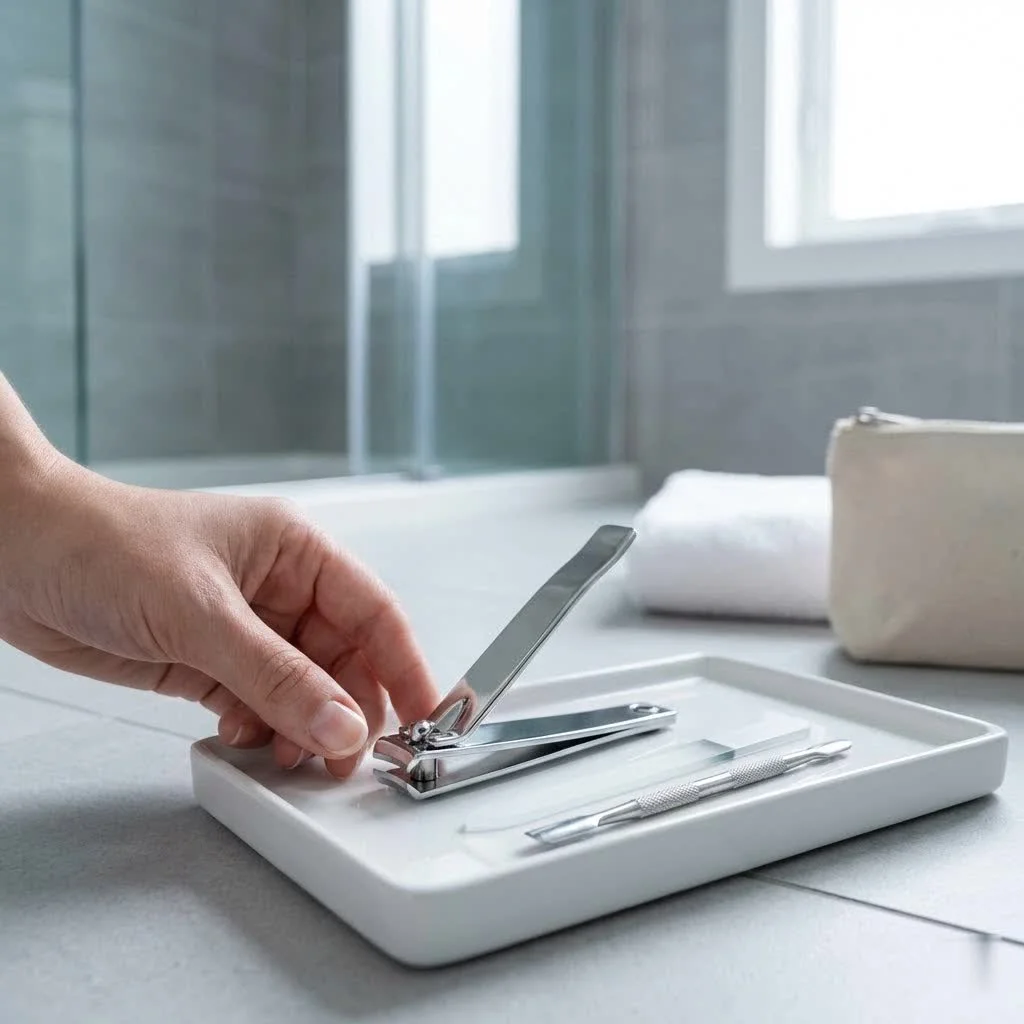
This comprehensive guide will explore the unique challenges seniors face with toenail care, delve into the various types of clippers available, highlight crucial features to consider, and recommend top-rated products that truly make a difference. By understanding your options, you can select the perfect tool to maintain optimal foot health and personal dignity.
Understanding Toe Nail Clippers for Seniors
Toe nail clippers are essential tools for personal hygiene, but for older adults, the need for specialized designs is paramount. The natural aging process often leads to toenails becoming thicker, harder, and more brittle, making them difficult to cut with conventional clippers. Additionally, declining dexterity, weakened grip strength from conditions like arthritis, and reduced mobility can make reaching and manipulating standard clippers a formidable task. Poor vision further complicates the process, increasing the risk of accidental injury.
Specialized toe nail clippers are engineered to address these specific concerns. They move beyond the basic lever-action design to offer enhanced leverage, ergonomic grips, wider jaw openings, and innovative features that adapt to the physical realities of aging.
Types of Toe Nail Clippers for Elderly
The market offers a diverse range of toe nail clippers tailored to different needs and challenges seniors might encounter. Understanding these categories is the first step toward finding your ideal tool.
Lever-Type Clippers (Standard & Adapted)
These are the most familiar style, utilizing a lever mechanism to operate the cutting blades. For seniors, adapted versions often feature larger, rubberized handles for improved grip and less strain. Many come with wider jaw openings to accommodate thicker nails. They are generally straightforward to use for those with moderate hand strength and offer a familiar cutting action.
Plier-Style Clippers
Plier-style clippers, often referred to as nippers, resemble small pliers. They typically offer greater leverage and a wider jaw opening than traditional lever-type clippers, making them highly effective for cutting very thick or tough toenails. Their design usually allows for a more controlled grip, which can be beneficial for individuals with arthritic hands, though some still require significant hand strength to operate effectively.
Electric Nail Files
|
Our Picks for the Best Nail Clippers in 2026
As an Amazon Associate I earn from qualifying purchases.
|
||
| Num | Product | Action |
|---|---|---|
| 1 | 2026 Upgraded 3-in-1 Electric Nail Clipper,Rechargeable Electric Nail File & Toenails, 6 Speeds with LED Light & Nail Debris Storage,Suitable for Children,Adults,Seniors to use Electric Nail Trimmer |

|
| 2 | Toenail Clippers for Seniors Thick Toenails, Aucurwen Heavy Duty Toe Nail Clippers Adult Thick Nails Long Handle, Large Toenail Clippers for Thick Nails 7Pcs |
|
| 3 | HAWATOUR Nail Clippers Set, Ultra Sharp Sturdy Fingernail and Toenail Clipper Cutters with Visibly Tin Case, Black |
|
| 4 | HAWATOUR Nail Clippers Set, Ultra Sharp Sturdy Fingernail and Toenail Clipper Cutters with Visibly Tin Case, Silver |
|
| 5 | Toenail Clippers for Thick Toenails for Seniors, Angled Head Large Toe Nail Clippers for Thick Nails for Men, Heavy Duty Ingrown Toenail Clippers with Wide Jaw, Sharp Slanted Nail Cutter Black |
|
| 6 | Ultra Sharp Nail Clippers Set - 2 Pack Stainless Steel Fingernail & Toenail Trimmers with Built-in Nail File for Women & Seniors (Silver) |
|
| 7 | Upgraded Toenail Clippers for Thick Toenails for Seniors, Angled Head Large Toe Nail Clippers Set for Men, Heavy Duty Ingrown Toenail Clippers Long Handled, Ultra Sharp Slanted Nail Cutter Wide Jaw |
|
| 8 | 4-in-1 Electric Nail Clipper with LED Light – Quiet Rechargeable Nail Grooming Kit, Grinder & Polisher, 2 Speed, Nail Debris Collector, Portable Gift Set |
|
| 9 | Nail Clipper Set,Premium Stainless Steel Fingernail and Toenail Clipper Cutters with Nail File, Sharp Effortless Nail Clippers Set for Men & Women(Silver) |
|
| 10 | SZQHT Ultra Wide Jaw Opening Nail Clippers Set, Toenail Clippers for Thick Nails, Heavy Duty Nail Cutter, Stainless Steel Toe Nail Clippers for Seniors, Men & Women Manicure,Pedicure,Big(Black) |
|
For seniors with severe dexterity limitations, significant vision impairment, or a strong aversion to sharp blades, electric nail files present a safe, blade-free alternative. These devices gently grind down the nail using abrasive attachments, eliminating the risk of cuts. Many models come with built-in lights for better visibility, multiple speed settings, and various attachments to smooth edges or even address calluses. While they take longer than traditional clipping, their safety and ease of use are undeniable.
Specialized Designs
Innovation in nail care has led to several specialized designs that cater to unique senior needs:
- Long-Handle Clippers: Designed for individuals with limited reach or back flexibility, these clippers extend the handle, reducing the need to bend or stretch uncomfortably. Some even include magnifiers for enhanced visibility.
- Rotating Head Clippers: These clippers feature a head that rotates 360 degrees, allowing users to find optimal cutting angles without having to contort their hands or body. They are particularly useful for reaching toenails with ease, whether you are left or right-handed.
- Tabletop Clippers: For those with very limited hand strength, certain designs allow the clipper to be placed on a flat surface and operated by pressing down with a palm or even an elbow. This drastically reduces the finger strength required for trimming.
Essential Features When Choosing Toe Nail Clippers for Seniors
Selecting the right toe nail clippers for an elderly individual requires careful consideration of several key features. Prioritizing these aspects ensures safety, comfort, and effectiveness.
Material & Blade Sharpness
The quality of the blades is paramount. Look for clippers made from:
- Surgical-Grade Stainless Steel: This material is renowned for its durability, resistance to rust and corrosion, and ability to hold a sharp edge. Sharp blades are crucial for clean, precise cuts that prevent splintering, tearing, or uneven edges, which can lead to painful complications like ingrown toenails or infections.
- High-Quality Carbon Steel: Japanese carbon steel is often used in premium clippers and is known for its exceptional sharpness, though it may require more careful maintenance to prevent rust than stainless steel.
Dull blades are not only ineffective but can also be dangerous, requiring excessive force and increasing the risk of injury.
Ergonomics & Grip
Comfort and control are vital. Consider clippers with:
- Ergonomic Handles: Designs that fit comfortably in the hand, reducing strain.
- Non-Slip Grips: Rubberized or textured handles provide a secure hold, especially important for individuals with reduced hand strength or arthritis.
- Ease of Compression: The mechanism should require minimal effort to operate, allowing for a smooth cutting action without excessive squeezing.
Jaw Opening & Blade Design
The specific needs of elderly toenails dictate particular blade characteristics:
- Wide Jaw Opening: As toenails often thicken with age, a wide jaw opening (up to 1 inch for some models) is essential to easily accommodate thicker nails without forcing.
- Straight Blades: Podiatrists often recommend cutting toenails straight across to prevent ingrown nails. While some clippers offer slightly curved blades to follow the natural contour, a design that encourages straight cuts is generally preferred for toenails.
Safety & Convenience
Additional features can significantly enhance the user experience and reduce risks:
- Nail Catchers: A built-in compartment to collect clippings simplifies cleanup, preventing mess and making the process more hygienic.
- Locking Mechanisms: These ensure the clippers remain safely closed when not in use, preventing accidental nicks or cuts during storage or handling.
- Built-in Files: While not a substitute for a good separate file, a built-in file can be convenient for smoothing rough edges immediately after clipping.
- Magnifying Glasses: Some long-handle models integrate a magnifying glass to aid those with poor vision.
Reach & Mobility
For seniors with limited flexibility, specific designs are invaluable:
- Long Handles: Extendable or inherently long handles are crucial for reaching toenails without bending over, alleviating back strain and improving comfort.
- Rotating Heads: Clippers with a head that swivels 360 degrees allow for easier access to nails from various angles, eliminating awkward twisting.
- Tabletop Use: The ability to operate the clippers by pressing down on a stable surface offers a solution for individuals with extremely weak hand grip.
Comparing Popular Toe Nail Clippers for Elderly
When choosing, a side-by-side comparison of features, advantages, and ideal use cases can be helpful. Here’s a look at some of the best options available, based on common senior needs:
| Product Name | Material/Construction | Key Features | Notable Pros | Notable Cons | Best Use Case |
|---|---|---|---|---|---|
| Harac Adapted Nail Clippers | Japanese carbon steel, ABS resin | Oval-shaped flat base, large built-in nail file | Multiple grip options, can be used on a flat surface, good for weak grip | Can be challenging for very thick nails, heavier than some alternatives | Seniors with arthritis or significant hand weakness; tabletop use |
| EZ Grip 360 Degree Rotary Clipper | Stainless steel blades, plastic/acrylic | 360-degree rotating head, ergonomic handles, lightweight | Swivel design for all angles, lightweight, good for limited flexibility | Plastic handles may feel less durable, wide mouth may increase skin nipping risk | Seniors with limited flexibility needing to trim from various angles |
| Green Bell G-1205 | Hardened stainless steel, zinc alloy | Twice-sharpened curved blade, wide nail file | Exceptional sharpness for thick nails, durable construction, clean cuts | Heavier, higher cost, may be too large for fingernails | Seniors with thick, hardened nails and reasonable hand strength |
| Seamind Cordless Electric Nail File Kit | N/A (abrasive attachments) | Blade-free, built-in spotlight, 5 attachments, rechargeable battery, adjustable speed | Exceptionally safe, provides independence for severe dexterity, treats calluses | Creates more mess, longer trimming time, attachments require dexterity to swap | Seniors who cannot safely use traditional clippers, severe dexterity limitations |
| Kohm KP-700 Toenail Clippers | Surgical-grade stainless steel | 1-inch wide jaw, rubberized grip, narrow pointed tip for ingrowns | Exceptional cutting strength for thick/ingrown nails, comfortable grip | Heavier, pointed tip requires careful handling, requires practice | Seniors dealing with very thick or ingrown toenails and moderate hand strength |
| Harperton Nippit Clippers | Surgical-grade stainless steel | Rubber-coated ergonomic handle, angled blades | Secure non-slip grip, effective on thick nails, lifetime warranty | Spring mechanism issues reported by some, requires moderate force | Seniors with mild to moderate arthritis needing precision for thick nails |
Safe Toenail Trimming Tips for Seniors
Beyond choosing the right tools, adopting safe trimming practices is crucial for preventing complications and maintaining healthy feet.
- Soften Nails First: Always trim toenails after a bath or shower when they are soft and more pliable. Soaking feet in warm water for 5-10 minutes can also help, making nails easier to cut and reducing the risk of splitting or tearing.
- Cut Straight Across: To prevent painful ingrown toenails, always trim straight across. Avoid rounding the corners or cutting them too short. After trimming, gently use a nail file to smooth any sharp edges.
- Take Small, Controlled Cuts: Rather than attempting to cut the entire nail in one go, make several small, deliberate cuts across the nail. This provides more control and reduces the chance of accidental nicks.
- Inspect Your Feet Regularly: Pay close attention to your feet and toenails for any signs of redness, swelling, tenderness, or infection. Early detection of issues can prevent more serious complications.
- When to Consult a Podiatrist: If you have diabetes, poor circulation, reduced sensation in your feet, or if you find toenail trimming consistently difficult or painful, consult a podiatrist. They can provide professional care and guidance, ensuring your foot health is maintained safely.
Conclusion
Maintaining proper toenail hygiene is a vital aspect of overall health and independence for seniors. While aging can present unique challenges, the array of specialized toe nail clippers available today empowers individuals to manage this task with greater ease, safety, and confidence.
From ergonomic designs and wide-jawed nippers for thick nails to innovative long-handle or electric file solutions for dexterity issues, there’s a perfect tool for nearly every need. Investing in the right toenail clippers not only simplifies a routine chore but also protects against potential foot health complications, preserving dignity and enhancing quality of life. Take the time to consider your specific needs, explore the options, and confidently choose a tool that supports your continued independence. What specific feature do you value most in a toe nail clipper designed for comfort and safety?
Frequently Asked Questions
What makes toenail clippers “for elderly” different from regular ones?
Toe nail clippers for the elderly are designed with features like wider jaw openings for thicker nails, ergonomic and non-slip handles for easier gripping, and enhanced leverage to reduce hand strain. Some specialized versions include long handles for reach or rotating heads for awkward angles, addressing common age-related challenges like arthritis, reduced flexibility, and impaired vision.
Can seniors with severe arthritis use these clippers?
Yes, many specialized clippers are designed with severe arthritis in mind. Options include tabletop clippers that require less finger strength, plier-style clippers with greater leverage, or electric nail files which are blade-free and eliminate the need for manual squeezing. Look for comfortable, compressible grips.
How often should an elderly person trim their toenails?
The frequency of toenail trimming for seniors generally depends on individual nail growth, but typically every 2-4 weeks is recommended. It’s crucial to maintain a length of 1-2 millimeters (0.04 to 0.08 inches) beyond the quick to prevent ingrown nails and snagging. Regular inspection of the feet is also advised.
Are electric nail files safe for diabetic seniors?
Electric nail files can be a very safe option for diabetic seniors as they eliminate the risk of cuts associated with traditional blades, which is critical for individuals with compromised circulation or sensation. However, it’s still advisable to use them gently, on a low setting, and preferably after consulting a podiatrist, especially for severe conditions.
What’s the best way to clean and maintain these specialized clippers?
Most specialized clippers, especially those made from surgical-grade stainless steel, can be cleaned by rinsing them under running water and wiping them with a disinfectant solution or alcohol after each use. Ensure they are thoroughly dried to prevent rust. For electric files, clean the attachments according to manufacturer instructions.
Should I get curved or straight-edge clippers for elderly toenails?
For toenails, it is generally recommended to use straight-edge clippers to trim straight across. This technique helps prevent ingrown toenails, a common and painful condition, particularly for seniors. Curved clippers are typically better suited for fingernails.
Where can I purchase high-quality toenail clippers for seniors?
High-quality toenail clippers for seniors can be found at specialized medical supply stores, reputable online retailers, and some larger pharmacies. Always choose trusted brands that focus on ergonomic design and durable materials. Reading product reviews specific to elderly users can also guide your purchase.
Get our weekly buyer guide
Practical specs, not advice. Unsubscribe anytime.
