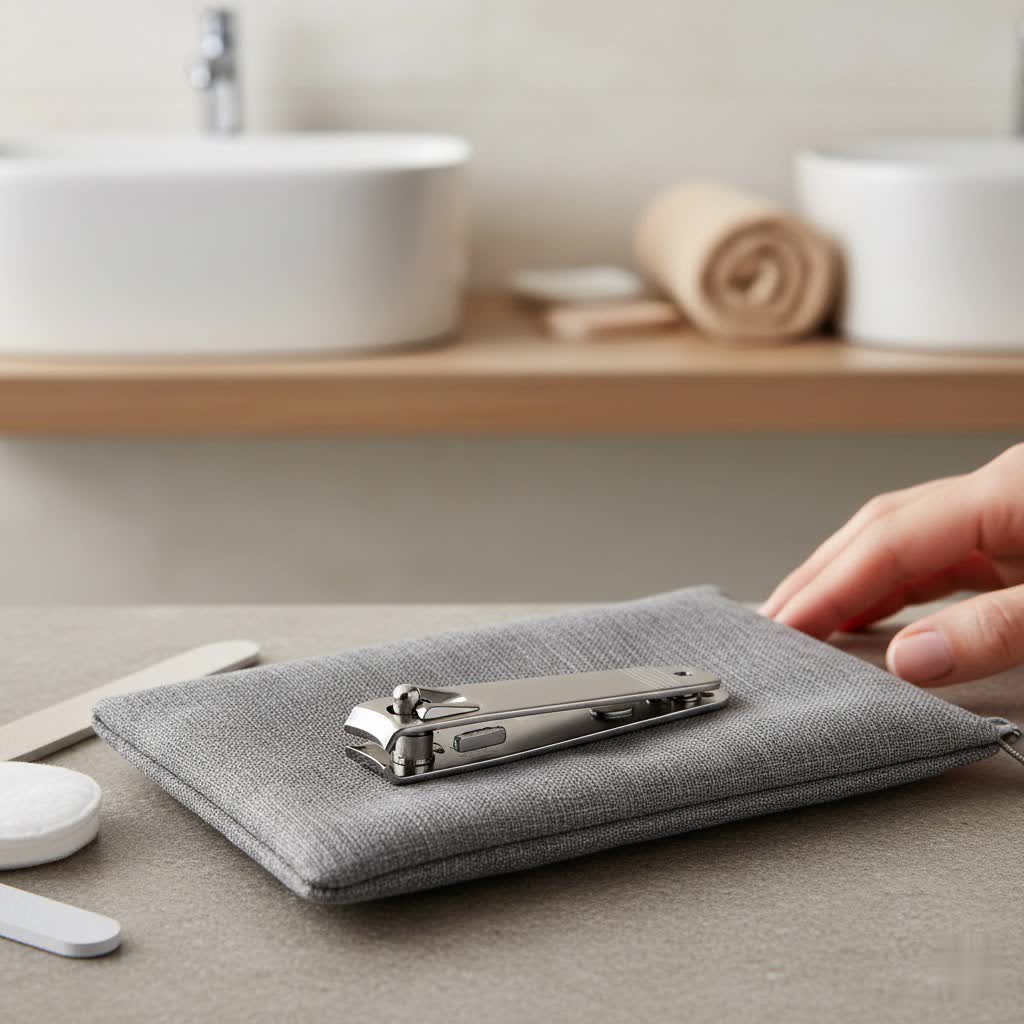
Are you tired of struggling with oversized, dull nail clippers that leave your nails jagged and prone to splitting? Choosing the right small nail clippers can revolutionize your nail care routine, offering precision, comfort, and healthier nails. From everyday grooming to specialized needs, understanding the nuances of these compact tools is key to finding your perfect match. Let’s delve into the world of small nail clippers and empower you to make an informed choice for impeccably groomed nails.
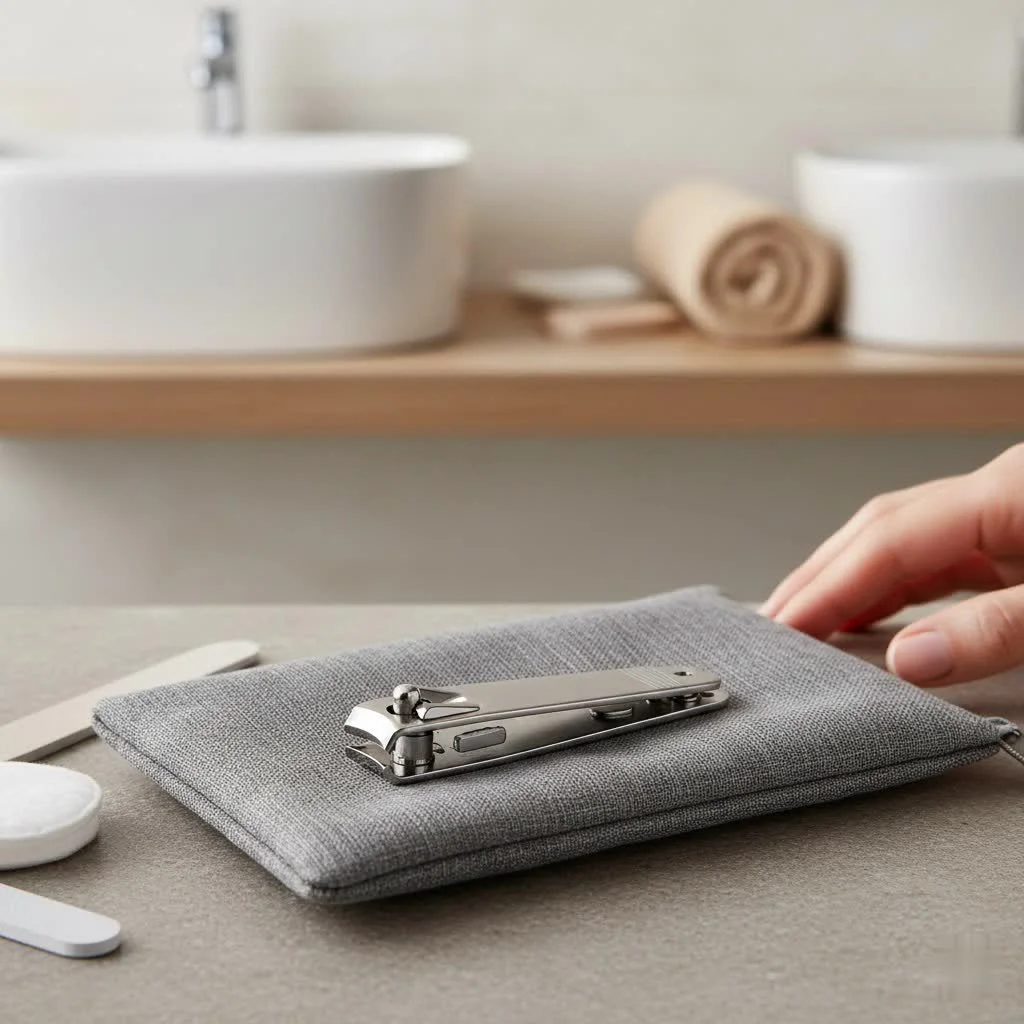
Overview of Small Nail Clippers
Small nail clippers are miniature versions of their larger counterparts, specifically designed for the delicate task of trimming fingernails with greater accuracy and control. Their compact size makes them ideal for intricate work and easy portability. While the fundamental concept of nail clippers has existed for centuries, modern small nail clippers benefit from advanced materials and ergonomic designs, making them far more effective and user-friendly than historical tools. Today, the market offers a diverse range of small clippers, each catering to different preferences and requirements, from basic lever-action models to sophisticated scissor-style or nipper variants.
Popular Types of Small Nail Clippers
The world of small nail clippers is surprisingly varied, with several distinct types designed for specific tasks and user comfort. Understanding these differences can help you select the most effective tool.
Lever-Type Clippers
These are the most common and recognizable small nail clippers. They feature a hinged lever that you press down to operate the cutting blades.
- Pros: Easy to use, widely available, affordable, generally provide good leverage for clipping fingernails. Their familiar design makes them a staple in most grooming kits.
- Cons: Can sometimes apply crushing pressure rather than a clean cut if dull, leading to nail splitting. The basic design may lack advanced ergonomic features for specialized needs.
- Usage: Perfect for routine fingernail trimming and quick touch-ups.
Plier-Type Clippers (Nippers)
Often resembling small pliers, these clippers offer enhanced precision and control, particularly useful for detailed work or tougher, smaller nails.
- Pros: Exceptional precision, greater control for shaping, excellent for accessing tight corners or dealing with cuticles and hangnails.
- Cons: Requires a bit more dexterity and a steady hand than lever-type clippers. Can be more expensive.
- Usage: Ideal for professional manicurists, individuals needing precise cuticle care, or those with slightly thicker fingernails that require more cutting power.
Scissor-Type Clippers
Designed much like miniature scissors, these clippers often feature rounded tips for safety and offer a smooth cutting action.
- Pros: Provide a very natural, controlled cut, often preferred for delicate nails. Many baby nail clippers adopt this design due to its gentle nature.
- Cons: May require more practice to achieve a perfectly straight or even cut. Can feel less powerful than lever or nipper types for very strong nails.
- Usage: Excellent for children, individuals with soft or fragile nails, or those who prefer a gentler, more controlled trimming experience.
Small Clippers for Children/Babies
|
Our Picks for the Best Nail Clippers in 2026
As an Amazon Associate I earn from qualifying purchases.
|
||
| Num | Product | Action |
|---|---|---|
| 1 | HAWATOUR Nail Clippers Set, Ultra Sharp Sturdy Fingernail and Toenail Clipper Cutters with Visibly Tin Case, Black |

|
| 2 | Ultra Sharp Nail Clippers Set - 2 Pack Stainless Steel Fingernail & Toenail Trimmers with Built-in Nail File for Women & Seniors (Silver) |
|
| 3 | Nail Clipper Set,Premium Stainless Steel Fingernail and Toenail Clipper Cutters with Nail File, Sharp Effortless Nail Clippers Set for Men & Women(Silver) |
|
| 4 | SZQHT Ultra Wide Jaw Opening Nail Clippers Set, Toenail Clippers for Thick Nails, Heavy Duty Nail Cutter, Stainless Steel Toe Nail Clippers for Seniors, Men & Women Manicure,Pedicure,Big(Black) |
|
| 5 | HAWATOUR Nail Clippers Set, Ultra Sharp Sturdy Fingernail and Toenail Clipper Cutters with Visibly Tin Case, Silver |
|
| 6 | Toenail Clippers for Seniors Thick Toenails, Aucurwen Heavy Duty Toe Nail Clippers Adult Thick Nails Long Handle, Large Toenail Clippers for Thick Nails 7Pcs |
|
| 7 | 2026 Upgraded 3-in-1 Electric Nail Clipper,Rechargeable Electric Nail File & Toenails, 6 Speeds with LED Light & Nail Debris Storage,Suitable for Children,Adults,Seniors to use Electric Nail Trimmer |
|
| 8 | 4-in-1 Electric Nail Clipper with LED Light – Quiet Rechargeable Nail Grooming Kit, Grinder & Polisher, 2 Speed, Nail Debris Collector, Portable Gift Set |
|
| 9 | Upgraded Toenail Clippers for Thick Toenails for Seniors, Angled Head Large Toe Nail Clippers Set for Men, Heavy Duty Ingrown Toenail Clippers Long Handled, Ultra Sharp Slanted Nail Cutter Wide Jaw |
|
| 10 | Toenail Clippers for Thick Toenails for Seniors, Angled Head Large Toe Nail Clippers for Thick Nails for Men, Heavy Duty Ingrown Toenail Clippers with Wide Jaw, Sharp Slanted Nail Cutter Black |
|
These specialized small clippers prioritize safety and ease of use for tiny, delicate nails.
- Characteristics: Often feature rounded edges, a small cutting surface, and sometimes include safety guards, magnifying glasses, or LED lights for better visibility. The “scissor-type” is very common here for a smooth cut without a “snap.”
- Criteria: Safety is paramount, followed by ease of handling for parents and gentle action to avoid startling the baby.
- Usage: Essential for safely maintaining an infant’s quick-growing nails, preventing accidental scratches.
Specialty Small Clippers
Beyond the primary types, various small clippers offer unique features for specific scenarios.
- Travel Clippers: Ultra-compact, often foldable or keychain-sized, made for on-the-go convenience. Many are crafted from durable stainless steel to withstand travel.
- Anti-Splash Clippers: Designed with a built-in catcher to collect clippings, ensuring a cleaner grooming experience and preventing nail fragments from scattering.
- Ergonomic Designs: Feature enhanced grips, non-slip surfaces, or swivel heads for improved comfort and control, particularly beneficial for individuals with dexterity issues.
Comparison Table of Small Nail Clippers
| Feature | Lever-Type Clippers | Plier-Type (Nipper) Clippers | Scissor-Type Clippers | Small Clippers for Children/Specialty |
|---|---|---|---|---|
| Material | Stainless steel, carbon steel, nickel-plated | High-grade stainless steel, often surgical-grade | Stainless steel, sometimes plastic handles | Stainless steel, often with plastic safety components |
| Durability | Good, but blades can dull over time | Excellent, designed for long-term precision | Good, especially with quality blades | Good, though baby versions might be outgrown quickly |
| Sharpness | Varies; good for average nails | Very high; precise, clean cuts | Good; provides a smooth, gentle cut | Moderate to good; focuses on safety over extreme sharpness |
| Design | Classic hinged lever, curved or straight blade | Scissor-like handles, precise jaw, curved or straight | True scissor mechanism, often rounded tips | Miniature, sometimes with magnifiers, lights, or rounded tips |
| Price Range | Low to Mid | Mid to High | Mid | Low to Mid |
| Target User | General use, everyday fingernail trimming | Detail work, cuticles, tough small nails, professionals | Delicate nails, children/babies, those preferring control | Infants, toddlers, individuals seeking extra safety/visibility |
Guide to Choosing Small Nail Clippers
Selecting the perfect pair of small nail clippers involves considering several factors beyond just their size. The right tool can significantly impact the health and appearance of your nails.
Factors to Consider When Choosing Small Nail Clippers
- Material: Opt for high-quality stainless steel or carbon steel. Stainless steel resists rust and is easy to clean, ensuring hygiene and longevity. Carbon steel can be sharper but requires more careful maintenance to prevent corrosion.
- Blade Sharpness and Durability: A sharp, finely ground blade is crucial for a clean cut, preventing splintering, tearing, and potential nail damage. Look for clippers that maintain their edge over time. You should hear a clean “snip” rather than a crushing sound when clipping.
- Design and Size for Your Hand: The clipper should feel comfortable and secure in your hand. An ergonomic design with a non-slip grip provides better control and reduces strain. For small clippers, ensure the lever or handles are easy to manipulate without feeling cramped.
- Brand Reputation: Established brands known for quality grooming tools often invest in better materials and manufacturing processes. While not always a guarantee, a reputable brand can offer peace of mind. Brands like Seki Edge/Green Bell are frequently cited for their exceptional Japanese craftsmanship and sharpness.
- Price: While it’s tempting to go for the cheapest option, investing a little more in high-quality small nail clippers can save you from damaged nails and frequent replacements. Consider it an investment in your nail health.
- Additional Features:
- Nail Catchers: Help contain clippings for a mess-free experience.
- Built-in Files: Convenient for smoothing edges after clipping.
- Magnifiers and Lights: Especially useful for baby nail clippers or for individuals with impaired vision, providing enhanced visibility and safety.
Where to Buy Small Nail Clippers
Quality small nail clippers can be found at various retailers. Online marketplaces, specialty beauty supply stores, and pharmacies often carry a wide selection. For premium options, consider brands known for Japanese steel or German engineering. Always read reviews to gauge user satisfaction and product longevity before making a purchase.
How to Maintain Small Nail Clippers to Increase Longevity
Proper maintenance ensures your small nail clippers remain sharp, hygienic, and last longer.
- Clean Regularly: After each use, wipe the blades with an alcohol wipe or cotton pad to remove nail dust and debris.
- Sanitize: For a deeper clean, especially if shared (though personal clippers are highly recommended for hygiene), you can use a sterilizing solution or boil metal clippers.
- Dry Thoroughly: Always ensure clippers are completely dry before storing to prevent rust, especially for carbon steel models.
- Store Properly: Keep them in a dry place, ideally in a protective pouch or case, to prevent damage to the blades and keep them clean.
Top Picks – Reviewing the Best Small Nail Clippers Today
When it comes to small nail clippers, the “best” often depends on your specific needs, but several categories consistently stand out for their quality and performance.
For Everyday Precision and Durability: Look for lever-type clippers crafted from high-grade stainless steel with ultra-sharp, hand-finished blades. These typically offer a clean, effortless cut, minimizing the need for filing afterward. Many users praise brands known for their Japanese craftsmanship, which often combine traditional sharpening techniques with modern design for a superior edge and robust build. The best among these will have a smooth, decisive action without any wiggle or give, ensuring consistent results.
For Delicate Nails and Baby Care: Scissor-style clippers or miniature lever clippers with integrated safety features are highly recommended. Products designed for infants often include rounded tips to prevent accidental nicks, a small “spy hole” for clear visibility of the nail bed, or even built-in LED lights and magnifiers. These features are crucial for anxious parents and ensure a gentle, stress-free experience for tiny fingers and toes. The focus here is on quiet operation and smooth cutting to avoid startling the child.
For Travel and Portability: Ultra-slim, foldable, or keychain-sized small nail clippers are invaluable for on-the-go grooming. These often boast a durable stainless steel construction, sometimes with protective coatings that repel water and bacteria. Their compact design means they can be easily tucked into a wallet, purse, or travel kit, ensuring you always have a reliable tool at hand. Despite their small footprint, the best travel clippers still deliver a sharp, effective cut.
For Advanced Grooming and Tougher Nails: High-quality plier-type (nipper) clippers with finely ground jaws are the go-to. These offer superior control and leverage, making them excellent for precise shaping, tackling stubborn hangnails, or managing slightly thicker fingernails. While often larger than standard small clippers, their refined mechanics allow for meticulous work on even the smallest nails, making them a favorite among nail care enthusiasts.
“The right small nail clipper is more than just a tool; it’s an extension of your commitment to personal care. Precision and comfort should never be compromised.”
Conclusion
Navigating the array of small nail clippers available can feel daunting, but understanding the different types, materials, and features empowers you to choose wisely. Whether you prioritize a clean, precise cut for your fingernails, require safe and gentle grooming for a baby, or need a compact solution for travel, there’s a perfect small nail clipper out there for you. By investing in a high-quality tool and maintaining it properly, you ensure not only beautifully trimmed nails but also healthier nail beds and cuticles. So, are you ready to elevate your nail care game with the perfect small nail clippers?
Frequently Asked Questions
What makes small nail clippers different from regular ones?
Small nail clippers are primarily designed for fingernails, offering a smaller cutting surface and often a curved blade to match the natural shape of finger nails. Regular clippers are typically larger and may have a straighter blade, better suited for the thicker and flatter toenails.
Is stainless steel truly the best material for small nail clippers?
Yes, stainless steel is generally considered the best material for nail clippers due to its corrosion resistance, durability, and ability to hold a sharp edge. This ensures hygienic use and a long lifespan, providing consistent, clean cuts without rusting.
How often should I replace my small nail clippers?
With proper care and cleaning, a high-quality pair of small nail clippers can last for many years. However, if you notice the blades becoming dull, a “chewing” rather than cutting action, or any signs of rust or damage, it’s time to replace them to prevent nail trauma and infection.
Get our weekly buyer guide
Practical specs, not advice. Unsubscribe anytime.
