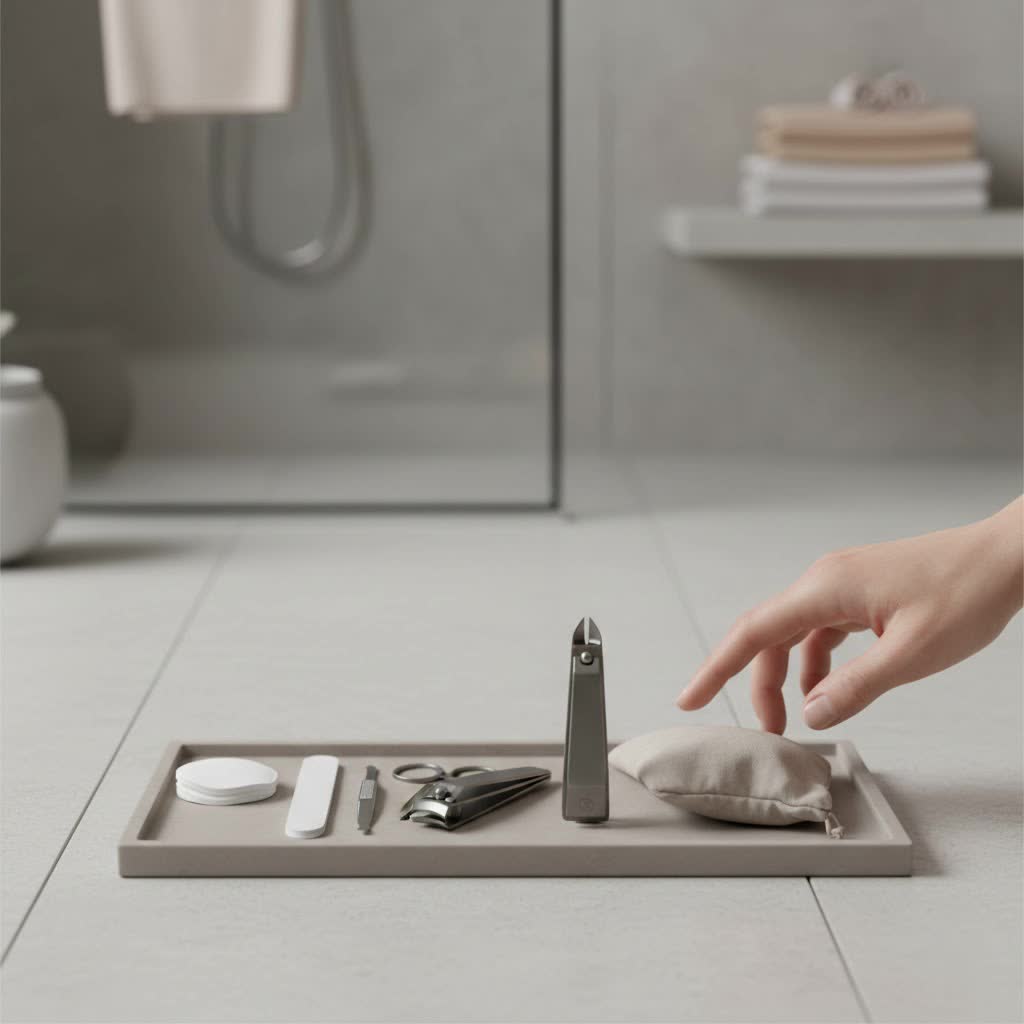
Maintaining personal grooming, including nail care, is a fundamental aspect of self-reliance and overall well-being. For many, a simple task like clipping nails can become a significant challenge due to various factors such as temporary injuries, permanent physical conditions, or the natural progression of aging. One-handed nail clippers represent a thoughtful innovation designed to restore independence and simplify this essential self-care routine for individuals with limited dexterity, reduced hand function, or the use of only one hand. These specialized tools offer practical solutions, ensuring that everyone can maintain healthy and well-groomed nails with confidence and ease.
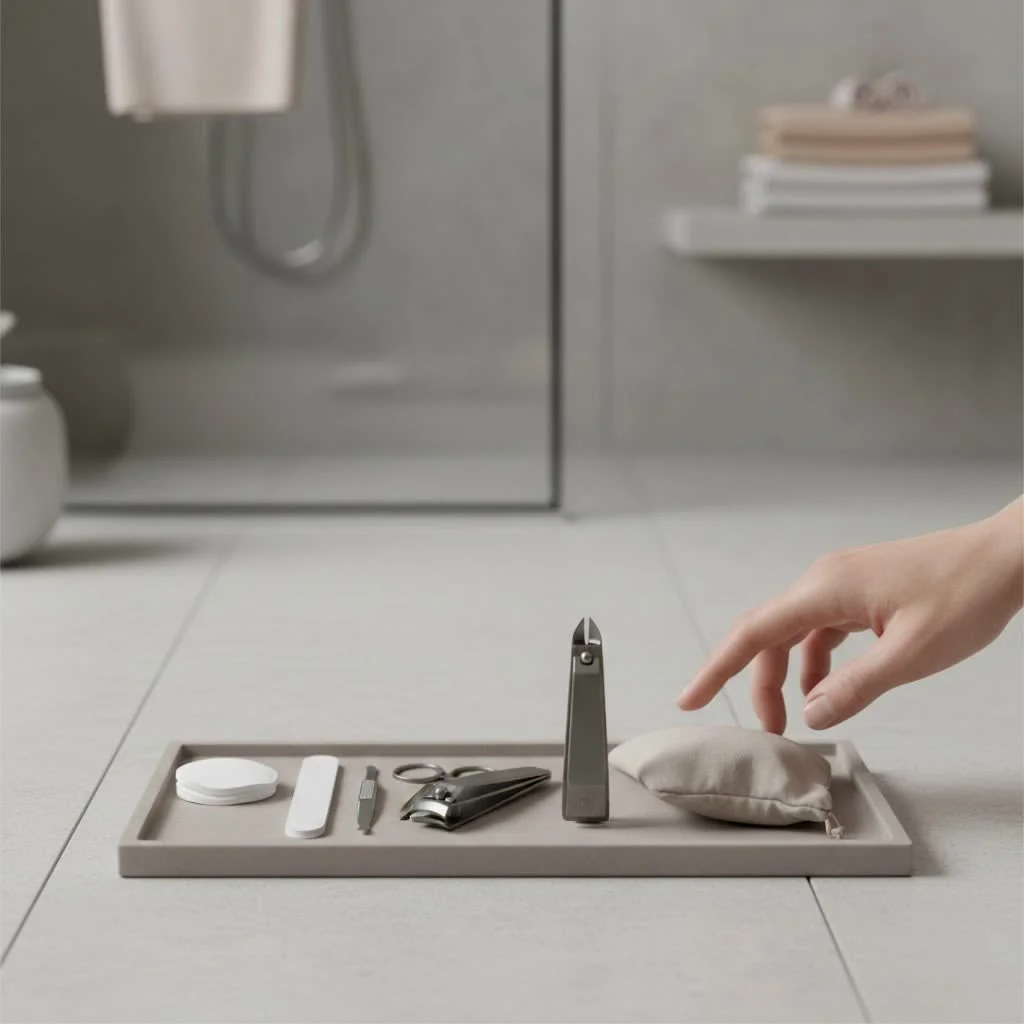
Overview of One-Handed Nail Clippers
One-handed nail clippers are adaptive devices engineered to allow individuals to trim their fingernails or toenails using minimal hand strength and often with only one hand. Unlike traditional clippers that require a two-handed squeeze or intricate manipulation, these tools provide stability and leverage, transforming a challenging task into an accessible one. Their existence stems from a growing understanding of diverse user needs, reflecting a commitment to inclusive design in personal care products. For expert reviews reviews on this site.
The evolution of these tools parallels advancements in adaptive technology, moving from basic modifications of standard clippers to purpose-built devices. Early solutions might have involved makeshift setups, but today’s market offers a range of sophisticated options that integrate ergonomic principles, enhanced stability, and innovative cutting mechanisms. This evolution ensures greater independence for users and significantly reduces the frustration often associated with traditional nail care for those with physical limitations.
The primary users of one-handed nail clippers include stroke survivors, amputees, individuals with arthritis, cerebral palsy, Parkinson’s disease, or other conditions causing limited hand mobility or strength, and the elderly. The goal is always to facilitate a safe, effective, and independent nail clipping experience.
Types of One-Handed Nail Clippers
The market offers several innovative designs to cater to varied needs, each providing a unique approach to one-handed nail care.
Press-On / Table-Top Nail Clippers
These are among the most common and effective one-handed solutions. They feature an extra-wide and often extra-long base equipped with rubber feet or suction cups to firmly secure the clipper to a table or other flat surface. The user positions their nail into the clipper’s jaws and then presses down on a large lever or pad, often with the palm, forearm, or even the side of the usable hand, to actuate the clipping mechanism. This design provides significant stability and leverage, making it ideal for those with limited grip strength or the use of only one hand. Some models are assistive devices designed to hold a standard nail clipper, allowing it to be operated in this manner.
- Advantages:
- High Stability: The fixed base prevents slipping and provides a consistent cutting platform.
- Reduced Hand Strain: Leverage from the large pressing surface minimizes the force required.
- Independence: Allows individuals with significant dexterity limitations to perform nail care themselves.
- Disadvantages:
- Less Portable: Generally larger and heavier than standard clippers.
- Requires Flat Surface: Depends on a stable surface for optimal use.
Electric Nail Trimmers/Grinders
|
Our Picks for the Best Nail Clippers in 2026
As an Amazon Associate I earn from qualifying purchases.
|
||
| Num | Product | Action |
|---|---|---|
| 1 | HAWATOUR Nail Clippers Set, Ultra Sharp Sturdy Fingernail and Toenail Clipper Cutters with Visibly Tin Case, Black |

|
| 2 | Upgraded Toenail Clippers for Thick Toenails for Seniors, Angled Head Large Toe Nail Clippers Set for Men, Heavy Duty Ingrown Toenail Clippers Long Handled, Ultra Sharp Slanted Nail Cutter Wide Jaw |
|
| 3 | 2026 Upgraded 3-in-1 Electric Nail Clipper,Rechargeable Electric Nail File & Toenails, 6 Speeds with LED Light & Nail Debris Storage,Suitable for Children,Adults,Seniors to use Electric Nail Trimmer |
|
| 4 | HAWATOUR Nail Clippers Set, Ultra Sharp Sturdy Fingernail and Toenail Clipper Cutters with Visibly Tin Case, Silver |
|
| 5 | Ultra Sharp Nail Clippers Set - 2 Pack Stainless Steel Fingernail & Toenail Trimmers with Built-in Nail File for Women & Seniors (Silver) |
|
| 6 | Toenail Clippers for Seniors Thick Toenails, Aucurwen Heavy Duty Toe Nail Clippers Adult Thick Nails Long Handle, Large Toenail Clippers for Thick Nails 7Pcs |
|
| 7 | Toenail Clippers for Thick Toenails for Seniors, Angled Head Large Toe Nail Clippers for Thick Nails for Men, Heavy Duty Ingrown Toenail Clippers with Wide Jaw, Sharp Slanted Nail Cutter Black |
|
| 8 | Nail Clipper Set,Premium Stainless Steel Fingernail and Toenail Clipper Cutters with Nail File, Sharp Effortless Nail Clippers Set for Men & Women(Silver) |
|
| 9 | 4-in-1 Electric Nail Clipper with LED Light – Quiet Rechargeable Nail Grooming Kit, Grinder & Polisher, 2 Speed, Nail Debris Collector, Portable Gift Set |
|
| 10 | SZQHT Ultra Wide Jaw Opening Nail Clippers Set, Toenail Clippers for Thick Nails, Heavy Duty Nail Cutter, Stainless Steel Toe Nail Clippers for Seniors, Men & Women Manicure,Pedicure,Big(Black) |
|
Electric nail trimmers offer a departure from traditional blade-and-lever systems. These battery-powered devices typically feature a rotating grinding wheel that gently files and trims the nail. Many come with additional features like LED lights to illuminate the nail, nail scrap collection compartments for mess-free use, and multiple speed settings. They are particularly beneficial for individuals with tremors, as the grinding action is inherently safer than sharp blades, reducing the risk of nicks or cuts.
- Advantages:
- Enhanced Safety: No sharp blades, minimizing injury risk, especially for those with tremors or poor vision.
- Minimal Effort: The electric motor does the work, requiring very little manual dexterity or strength.
- Smooth Finish: Often leaves a smoother nail edge, reducing the need for separate filing.
- Disadvantages:
- Battery Dependency: Requires charging or battery replacement.
- Can be Slower: The grinding process might take longer than a quick clip.
- Noise: Some users might find the motor noise bothersome.
Nipper-Type Clippers
While not exclusively marketed as “one-handed,” nipper-style nail clippers can be a viable option for those with some hand function but who struggle with the lever action of traditional clippers or require more precise control. Nippers resemble small pliers with two opposing blades. They often require less squeezing force than lever-type clippers to make a cut, especially good quality ones with sharp blades. This reduced force can be advantageous when using a non-dominant hand or if grip strength is limited. They excel in precision, making them suitable for intricate nail shapes or managing ingrown nails.
- Advantages:
- Precision: Offers excellent control for detailed work and can navigate ingrown nails more easily.
- Reduced Force: Quality nippers can cut with less manual effort than some lever-type clippers.
- Visibility: The open jaw design allows for a clear view of the cutting area.
- Disadvantages:
- Still Requires Grip: Though less force, a certain level of grip and fine motor control is still necessary.
- Can be Bulkier: Some nippers are larger than standard clippers, affecting portability.
Universal Nail Clippers
Designed with accessibility in mind, universal nail clippers aim to bridge the gap between traditional and highly specialized adaptive tools. These often feature wider, non-slip bases, ergonomic grips, and robust construction that allows them to be used either handheld or rested on a flat surface. Some come with integrated nail catchers and files, making them multi-functional. Their design focuses on comfort and ease of manipulation for a broader range of users, including those who simply prefer a more stable clipping experience.
Comparison Table: One-Handed Nail Clippers
| Feature | Press-On / Table-Top Clippers | Electric Nail Trimmers | Nipper-Type Clippers (Adaptive Use) | Universal Nail Clippers |
|---|---|---|---|---|
| Operation | Press down on lever/pad | Automatic grinding | Squeeze handles | Squeeze handles / Press on surface |
| Dexterity Needed | Very Low | Very Low | Moderate | Low to Moderate |
| Stability | Excellent (fixed to surface) | Good (can be table-set) | Varies (handheld) | Good (wide base, non-slip) |
| Safety | High | Very High (no blades) | Moderate (sharp blades) | High |
| Portability | Low | Moderate | High | Moderate |
| Maintenance | Cleaning blades | Charging/Cleaning | Cleaning/Sharpening | Cleaning blades |
| Best For | Severe dexterity issues, single-hand use | Tremors, vision impairment, minimal effort | Precision, ingrown nails, some grip strength | General one-handed or limited dexterity |
| Material | Plastic/Metal base, Steel clipper | Plastic/Metal casing, grinding head | Stainless Steel, Carbon Steel | Stainless Steel, ergonomic grip materials |
| Typical Cost | $20 – $50 | $30 – $70 | $15 – $40 | $10 – $30 |
Buying Guide: How to Choose the Right One-Handed Nail Clippers
Choosing the right one-handed nail clipper involves considering individual needs, the specific type of limitation, and preferred features. Here are key factors to consider:
Factors to Consider When Choosing Nail Clippers
- Material: Opt for high-quality materials like stainless steel or carbon steel for the blades. Stainless steel is rust-resistant, hypoallergenic, and durable, ensuring longevity and hygienic use. The base or handle materials should also be sturdy and provide a good grip.
- Blade Sharpness and Durability: Sharp blades provide a clean, precise cut, minimizing splintering or crushing of the nail. Durable blades maintain their sharpness over time, requiring less frequent replacement. Look for clippers known for their craftsmanship, as this often indicates superior blade quality.
- Design and Size for Hand Comfort: The clipper should feel comfortable and secure in the hand, or provide an ample and stable base if it’s a press-on model. Ergonomic designs, non-slip grips, and appropriate sizing are crucial for ease of use. Consider if a larger lever or pressing surface would be beneficial for your specific range of motion or strength.
- Brand Reputation: Established brands in adaptive tools or quality grooming products often indicate reliability and user satisfaction. Researching reviews and product histories can help identify trusted manufacturers.
- Price and Budget: One-handed nail clippers vary in price. While it’s tempting to opt for the cheapest, investing in a slightly more expensive, well-made tool can offer better performance, durability, and a more satisfying user experience in the long run. Balance cost with features and quality that meet your specific needs.
- Additional Features: Some clippers include built-in nail files, nail catchers to prevent clippings from scattering, or LED lights (especially electric models) for better visibility. Assess which features would genuinely enhance your grooming routine.
Where to Buy One-Handed Nail Clippers
These specialized tools can be found through various channels:
- Online Retailers: Websites like Amazon, medical supply stores (e.g., Rehabmart, MaxiAids, Assistech), and specialty adaptive product sites (e.g., The Ability Shop, The Wright Stuff) offer a wide selection.
- Pharmacies and Medical Supply Stores: Larger pharmacies or dedicated medical supply stores might carry a limited range of adaptive grooming aids.
- Direct from Manufacturers: Some innovative brands, like ClipDifferent, sell directly through their websites.
How to Care for One-Handed Nail Clippers to Extend Their Lifespan
Proper maintenance ensures your nail clippers remain sharp, hygienic, and functional for years.
- Clean After Each Use: Wipe blades with an alcohol wipe or warm soapy water to remove nail debris and oils. For electric trimmers, empty the clipping compartment and wipe down the device.
- Dry Thoroughly: Moisture can lead to rust, especially on steel blades. Ensure clippers are completely dry before storing.
- Lubricate (if applicable): For nipper-style clippers or those with movable joints, a tiny drop of specialized oil can keep the mechanism smooth.
- Store Properly: Keep clippers in a dry, clean place, ideally in a protective pouch or case to prevent damage to the blades.
Top Picks: Reviewing the Best One-Handed Nail Clippers
Given the diverse needs, specific product recommendations often depend on the user’s condition. However, certain types and features consistently stand out for their effectiveness in one-handed nail care.
1. Press-On / Table-Top Assistive Devices
These solutions, often featuring an extra-wide, non-slip base, are frequently praised for their ability to provide significant leverage and stability. The “Press-On One-Handed Nail Clipper” type, commonly found from adaptive product suppliers, utilizes a large surface for pressing, allowing users with limited grip or hand strength to easily clip nails. This category is highly recommended for individuals with severe arthritis, paralysis, or those who have had an amputation, as it transforms a traditional clipper into a stationary, easy-to-operate tool.
- Pros: Exceptional stability, greatly reduces manual effort, fosters maximum independence.
- Cons: Can be bulky, less portable, relies on a flat surface.
- Best For: Individuals with very limited hand function or requiring maximum stability.
2. ClipDifferent Lil Nipper (Electric Nail Trimmer)
The ClipDifferent Lil Nipper is an electric fingernail clipper designed for people of all abilities, including those with low vision, limited dexterity, or tremors. It features a simple slot where the fingernail is inserted, and a rotating grinding wheel trims and files the nail automatically. An LED light illuminates the nail slot for better visibility, and clippings are collected internally. Users appreciate its safety, ease of use, and the smooth finish it provides without the need for traditional clipping or filing.
- Pros: Extremely safe (no blades), ideal for tremors and vision impairment, very low effort, collects clippings.
- Cons: Requires charging, may take longer than a quick clip, potentially noisy.
- Best For: Users prioritizing safety, minimal effort, and those with tremors or visual impairments.
3. One + Other Universal Nail Clipper (CVS Exclusive)
This universal nail clipper offers a blend of ergonomic design and adaptability. It features a wide, non-slip base, allowing for secure use either handheld or rested on a flat surface. The design is intended to accommodate individuals with mobility, dexterity, and vision disabilities, often featuring a high-contrast color for visibility. It typically includes a built-in catcher for trimmings and a file, making it a comprehensive tool for independent nail care.
- Pros: Versatile use (handheld or table-top), ergonomic grip, built-in catcher and file, promotes independence.
- Cons: May not offer the same high leverage as dedicated press-on models, availability might be limited to specific retailers.
- Best For: Individuals seeking a versatile, easy-to-grip clipper that can be adapted for one-handed use.
> “Adaptive nail care tools are not just about functionality; they’re about restoring dignity and independence to daily routines. A well-designed one-handed clipper can make an immense difference in a person’s quality of life.” – Dr. Elena Petrova, Occupational Therapist specializing in assistive technologies.
Conclusion
One-handed nail clippers are more than just grooming tools; they are enablers of independence and self-confidence for those facing physical challenges. From the robust stability of press-on models to the effortless precision of electric trimmers, and the refined control of nippers, a diverse array of options exists to meet varying needs. By carefully considering factors such as material, design, and specific features, individuals can find the perfect solution to empower their nail care routine. Reclaiming control over personal grooming tasks can profoundly impact daily life, fostering a greater sense of autonomy and well-being. Have you discovered a one-handed nail clipper that has transformed your personal care routine?
Frequently Asked Questions
Can anyone use a one-handed nail clipper?
While designed for individuals with limited dexterity or the use of only one hand, many one-handed nail clippers, particularly electric and universal models, can be used by anyone seeking a more stable or effortless nail care experience.
Are electric nail trimmers safe for thick nails?
Yes, many electric nail trimmers are designed to handle various nail thicknesses, including thick or tough nails, by gently grinding them down. They offer a safer alternative to traditional clippers, especially for those who struggle with force and precision.
How often should I clean my one-handed nail clippers?
It is highly recommended to clean your nail clippers after each use to maintain hygiene and prevent the buildup of bacteria or nail debris. This also helps in preserving the sharpness and longevity of the tool.
Can one-handed nail clippers be used for both fingernails and toenails?
Some models are versatile enough for both fingernails and toenails, especially electric trimmers and larger press-on types. However, always check the product specifications, as some clippers are specifically designed for either fingernails or toenails, considering their different shapes and thicknesses.
Get our weekly buyer guide
Practical specs, not advice. Unsubscribe anytime.

I appreciate the overview of one-handed nail clippers, but I found that some of the models mentioned were a bit pricey for what they are. I ended up getting a cheaper, basic tabletop model, and while it works, it’s not as smooth as I hoped. It gets the job done for my temporary injury, but I wish there were more budget-friendly options with better performance.
I’ve been looking for a solution like this for my mom who has limited dexterity. The guide to one-handed nail clippers was incredibly helpful. We got her a lever-style clipper, and it’s made such a difference in her ability to maintain her nails independently. It’s truly empowering to see her manage this task on her own again.
As someone with reduced hand function, I was really struggling with regular clippers. This information on adaptive devices was a lifesaver. I tried a plier-style one-handed clipper, and it’s so much easier to grip and control. My nails are finally looking neat again without the usual struggle. Definitely recommend exploring these options if you have similar challenges.