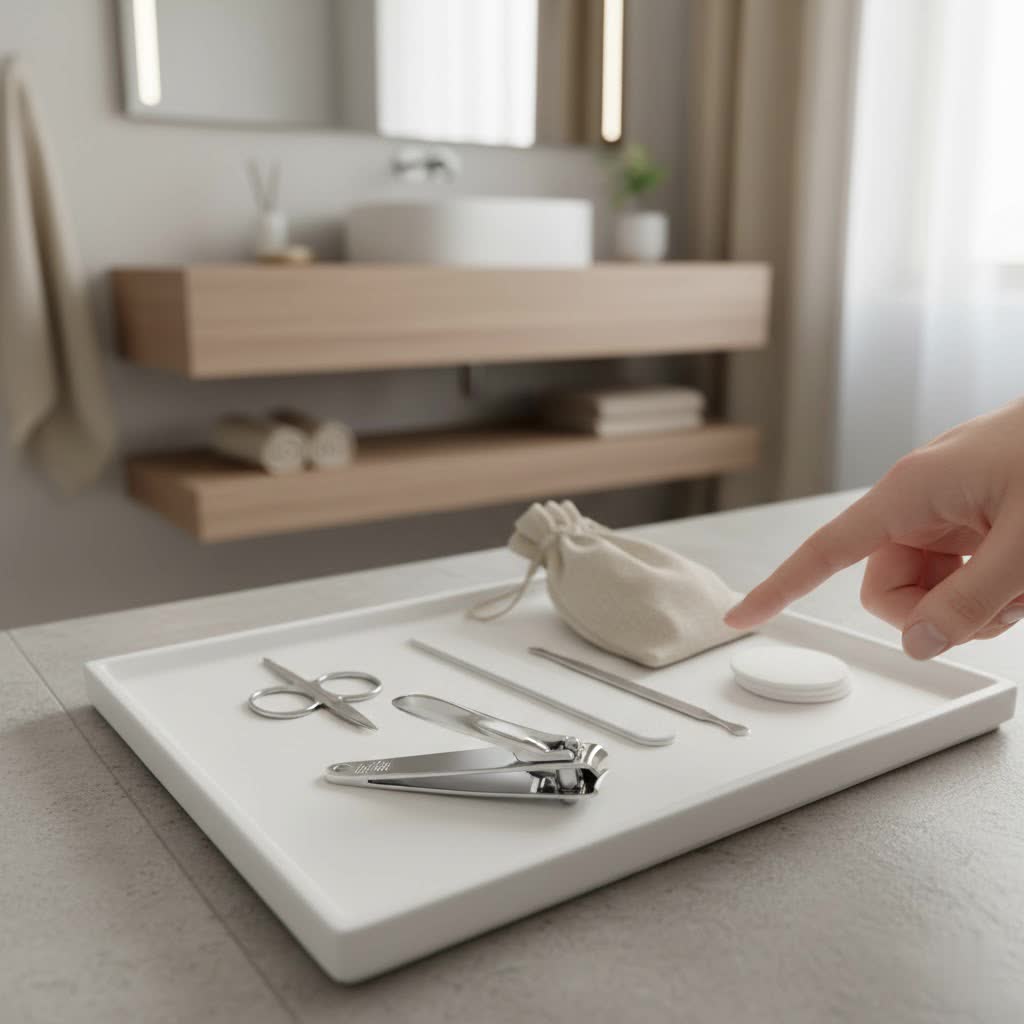
Are you tired of struggling with dull, ineffective nail clippers that leave your nails jagged or even cause discomfort? You’re not alone. Finding the right nail clippers can transform your nail care routine from a frustrating chore into a satisfying experience. With countless options available, knowing what to look for and where to find quality clippers conveniently is key. Let’s explore everything you need to know to locate and select the ideal nail clippers right in your neighborhood.
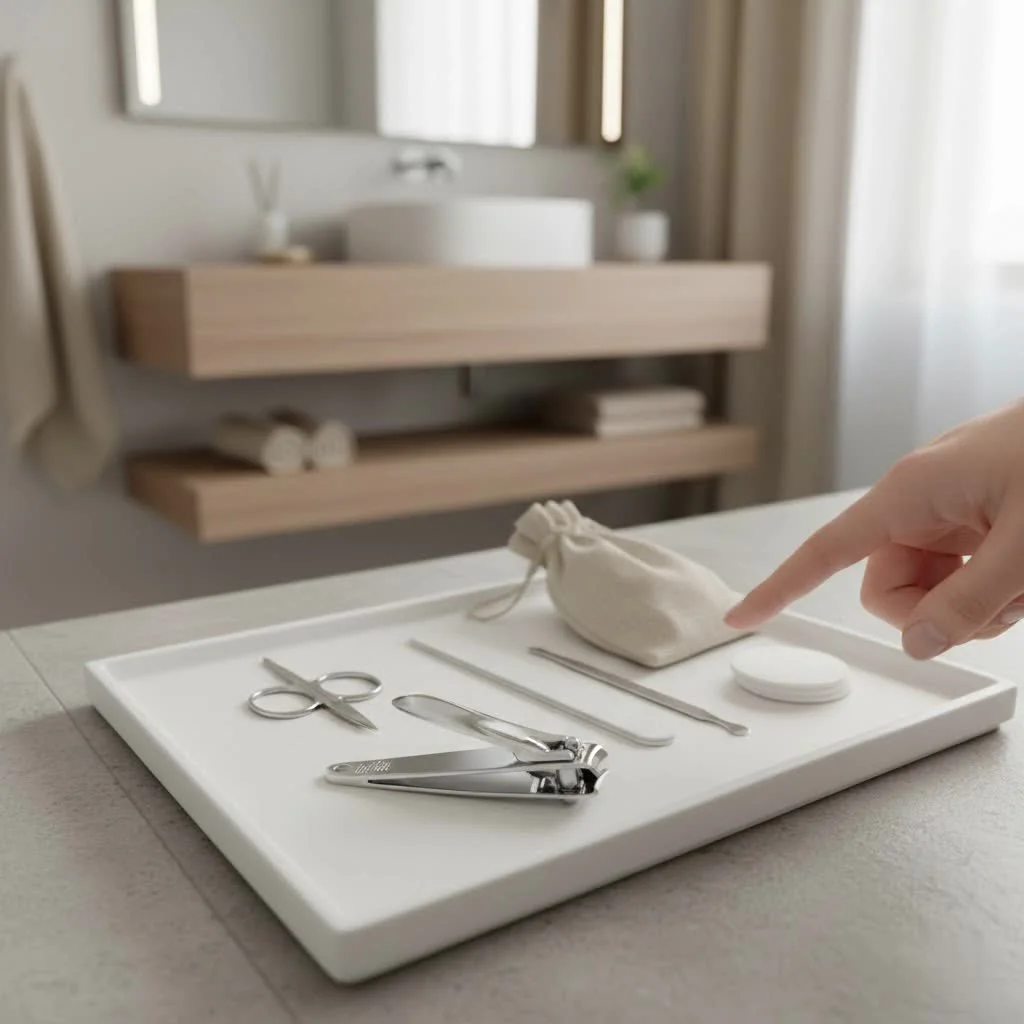
An Essential Overview of Nail Clippers
Nail clippers are indispensable tools in personal grooming, designed to trim fingernails and toenails efficiently and hygienically. While their basic function remains the same, their design, materials, and specialized uses have evolved considerably over time. For more reviews guides on this site.
Historically, people used simple knives or scissors for nail trimming, with references dating back to ancient civilizations. The modern compound lever-type nail clipper, familiar to most today, gained popularity in the late 19th and early 20th centuries, making nail care accessible and easier. Today, these tools are typically crafted from durable materials, with precision engineering becoming a hallmark of quality.
On the market, you’ll encounter a variety of nail clippers, ranging from the classic lever-type to specialized nippers and scissors, each serving distinct needs and preferences. Understanding these differences is the first step toward making an informed choice for your personal nail care.
Unpacking the Popular Types of Nail Clippers
Choosing the right nail clipper begins with understanding the distinct types available and their specific benefits. Each design caters to different nail types, personal preferences, and levels of dexterity.
Lever-Type Clippers (The Classic)
The lever-type clipper is the most recognizable and widely used design. It features a simple lever mechanism that, when squeezed, brings two sharp blades together to trim the nail.
- Advantages: These clippers are generally very easy to use, requiring minimal hand strength for most fingernails. Their widespread availability also makes them a convenient option for everyday use. Many come with a built-in file for smoothing rough edges.
- Disadvantages: While generally effective, some lever-type clippers can be bulky. Depending on the brand, their precision might be less refined compared to other types, potentially leading to a less clean cut if the blades aren’t high quality.
- Ideal Use: Perfect for routine fingernail trimming and for individuals seeking a straightforward, no-fuss tool.
Nipper-Type Clippers (Precision & Power)
Nipper clippers resemble small surgical pliers, featuring two opposing blades that meet at a precise point. These are often favored by professionals for their control and strength.
- Advantages: Nipper clippers offer superior precision, making them excellent for shaping nails, trimming cuticles, or tackling delicate areas with accuracy. Their design also provides significant leverage, which can be beneficial for thicker nails.
- Disadvantages: They typically require more hand strength and a steady hand to operate effectively. They are also not always ideal for extremely thick nails where a heavy-duty clipper might be more suitable.
- Ideal Use: Best for precise nail shaping, managing cuticles, and for individuals who prefer greater control during their nail care routine.
Scissor-Type Clippers (Gentle & Controlled)
|
Our Picks for the Best Nail Clippers in 2026
As an Amazon Associate I earn from qualifying purchases.
|
||
| Num | Product | Action |
|---|---|---|
| 1 | 4-in-1 Electric Nail Clipper with LED Light – Quiet Rechargeable Nail Grooming Kit, Grinder & Polisher, 2 Speed, Nail Debris Collector, Portable Gift Set |

|
| 2 | Nail Clipper Set,Premium Stainless Steel Fingernail and Toenail Clipper Cutters with Nail File, Sharp Effortless Nail Clippers Set for Men & Women(Silver) |
|
| 3 | 2026 Upgraded 3-in-1 Electric Nail Clipper,Rechargeable Electric Nail File & Toenails, 6 Speeds with LED Light & Nail Debris Storage,Suitable for Children,Adults,Seniors to use Electric Nail Trimmer |
|
| 4 | SZQHT Ultra Wide Jaw Opening Nail Clippers Set, Toenail Clippers for Thick Nails, Heavy Duty Nail Cutter, Stainless Steel Toe Nail Clippers for Seniors, Men & Women Manicure,Pedicure,Big(Black) |
|
| 5 | Toenail Clippers for Thick Toenails for Seniors, Angled Head Large Toe Nail Clippers for Thick Nails for Men, Heavy Duty Ingrown Toenail Clippers with Wide Jaw, Sharp Slanted Nail Cutter Black |
|
| 6 | Upgraded Toenail Clippers for Thick Toenails for Seniors, Angled Head Large Toe Nail Clippers Set for Men, Heavy Duty Ingrown Toenail Clippers Long Handled, Ultra Sharp Slanted Nail Cutter Wide Jaw |
|
| 7 | HAWATOUR Nail Clippers Set, Ultra Sharp Sturdy Fingernail and Toenail Clipper Cutters with Visibly Tin Case, Silver |
|
| 8 | HAWATOUR Nail Clippers Set, Ultra Sharp Sturdy Fingernail and Toenail Clipper Cutters with Visibly Tin Case, Black |
|
| 9 | Toenail Clippers for Seniors Thick Toenails, Aucurwen Heavy Duty Toe Nail Clippers Adult Thick Nails Long Handle, Large Toenail Clippers for Thick Nails 7Pcs |
|
| 10 | Ultra Sharp Nail Clippers Set - 2 Pack Stainless Steel Fingernail & Toenail Trimmers with Built-in Nail File for Women & Seniors (Silver) |
|
Nail scissors are designed much like traditional scissors but with smaller, often curved blades specifically for nails.
- Advantages: They provide a very precise and controlled cut, which can be beneficial for individuals with weaker or easily split nails. Slim versions are excellent for delicate nails, while baby nail scissors feature rounded, short tips for maximum safety when trimming soft infant nails. They are often recommended for preventing ingrown nails due to their ability to create a straight edge.
- Disadvantages: Some users may find them bulkier or less intuitive to handle than lever-type clippers, and they may require some practice to master.
- Ideal Use: Excellent for children and babies, individuals with sensitive or brittle nails, and for those who desire meticulous shaping and control.
Specialty Nail Clippers (Beyond the Basics)
Beyond the main categories, several specialized nail clippers cater to unique needs:
- Toenail Clippers: These are typically larger and often feature a straight cutting edge. This straight design is crucial for preventing ingrown toenails, as it encourages the nail to grow straight out rather than curving into the skin. Clippers with convex clipping ends are also specifically intended for toenails.
- Heavy-Duty Clippers for Thick Nails: Some clippers, often nipper-style or extra-large lever-type, are designed with stronger jaws and greater leverage to effortlessly cut through very thick or tough nails that standard clippers might struggle with.
- Electric Nail Clippers: These battery-operated devices offer an easy-to-use solution for individuals with limited dexterity or vision, providing a smooth, often safer trim. However, they can be noisy and require regular battery replacement.
A Comparative Glance: Choosing Your Ideal Clipper
To help you decide which type of nail clipper is best for you, here’s a detailed comparison of the most common types based on key criteria:
| Feature | Lever-Type (Clipper) | Nipper-Type (Pliers) | Scissor-Type (Nail Scissors) | Specialty (Toenail/Thick Nail) |
|---|---|---|---|---|
| Material | Stainless steel, carbon steel | Stainless steel, high-carbon steel | Stainless steel | Stainless steel, heavy-duty alloys |
| Sharpness | Good for general use | Very high precision, sharp | High precision, fine blades | Excellent for tough nails |
| Design | Compact, classic lever action | Resembles surgical pliers | Ergonomic, scissor-like handles | Larger, often straight edge for toenails |
| Ease of Use | Very easy, minimal hand strength | Requires more control and hand strength | Good control, may need practice | Moderate to easy, depends on size/grip |
| Ideal For | Everyday fingernail trimming | Intricate shaping, cuticles, precise cuts | Children, brittle nails, ingrown nail prevention | Thick toenails, ingrown nail prevention |
| Durability | Varies by quality; good with stainless steel | High, especially professional grades | Good, with proper care | High, designed for heavy use |
| Price Range | Low to moderate | Moderate to high | Moderate | Moderate to high |
Your Guide to Selecting the Perfect Nail Clippers
Now that you’re familiar with the various types, let’s dive into how to choose the best nail clippers, considering both quality and convenience, especially when you’re looking for them “near me.”
Key Factors for Your Purchase
When evaluating nail clippers, whether in a store or online, keep these critical factors in mind:
- Material: The material dictates durability, sharpness, and hygiene.
- Stainless Steel: This is the gold standard for nail clippers due to its excellent resistance to rust and corrosion, vital for tools frequently exposed to moisture. It’s also non-porous, reducing the risk of bacterial buildup.
- Carbon Steel: Valued for its exceptional sharpness, carbon steel clippers can cut through tough nails with ease. However, they may require more meticulous care to prevent rusting.
- Titanium Steel: Offers a good balance of durability and sharpness, often found in higher-end models.
- Aluminum/Ceramic: Lighter and rust-resistant (aluminum) or innovative and gentle (ceramic for sensitive nails), but may not offer the same durability or cutting power as steel.
- Blade Sharpness and Durability: A high-quality clipper should have sharp, perfectly aligned blades that provide a clean, precise cut without tearing or crushing the nail. Durable blades maintain their edge over time, making your investment worthwhile. Look for clippers with hard steel, as it determines longevity and keeps the edge sharp.
- Ergonomics and Size: The clipper should fit comfortably in your hand, offering a secure grip and adequate leverage. Consider the size and shape that feels most natural for you. Larger clippers provide more leverage, which can be helpful for thicker nails or for individuals with limited hand strength.
- Brand Reputation: While not always available for every “near me” purchase, a reputable brand often indicates a commitment to quality and craftsmanship. German-made tools, for instance, are renowned for their precision and use of high-carbon or surgical-grade steel.
- Price vs. Value: While budget options are tempting, investing in a good quality nail clipper can prevent issues like dulling blades, rust, and even potential nail damage. A slightly higher initial investment often translates to better performance, longevity, and hygiene.
Finding Nail Clippers “Near You”
When the need for new nail clippers arises, finding them locally is often the quickest and most convenient option. Many types of stores stock these essential grooming tools:
- Pharmacies and Drugstores: Stores like Walgreens and local independent pharmacies are prime locations to find a variety of nail clippers, from basic models to more specialized options. They often carry well-known brands and are easily accessible.
- Supermarkets and Grocery Stores: Most large grocery chains have a health and beauty aisle where you can find a selection of nail clippers alongside other personal care items.
- General Merchandise Stores: Retail giants like Walmart and Target are excellent places to find a broad range of nail clippers, often at competitive prices. They offer various brands and styles, suitable for different needs.
- Beauty Supply Stores: For those seeking professional-grade clippers or a wider selection of specialized tools, beauty supply stores are a valuable resource. They often stock higher-quality nippers and clippers designed for salon use, which can offer superior performance and durability for at-home care.
When shopping in person, take the opportunity to physically inspect the clippers. Check for smooth operation, blade alignment, and a comfortable feel in your hand.
Extending the Life of Your Clippers: Care and Maintenance
Proper care is crucial for maintaining the sharpness, hygiene, and longevity of your nail clippers.
- Clean After Each Use: Always clean your clippers immediately after trimming. Use a small brush (like an old toothbrush) or a cotton swab dipped in rubbing alcohol to remove nail dust and debris. Some experts recommend washing them with antibacterial soap and water.
- Disinfect Regularly: Especially if sharing, or if you’ve clipped any skin, disinfect your clippers. Soaking them in a disinfectant solution (like Barbicide) for the recommended time or wiping them with 70% isopropyl alcohol is effective. The CDC recommends cleaning equipment before every use.
- Dry Thoroughly: Moisture is the enemy of metal. After cleaning, ensure your clippers are completely dry to prevent rust and corrosion. Air drying or wiping with a dry cloth are effective methods.
- Lubricate the Joint: For smooth operation and to reduce wear, apply a tiny drop of sewing machine oil or mineral oil to the pivot point of your clippers occasionally.
- Store Properly: Keep your clippers in a dry, dedicated pouch or drawer to protect them from moisture and prevent accidental damage to the blades. Avoid tossing them into damp environments.
- Sharpen When Needed: Don’t wait until your clippers are completely dull. Regular touch-ups with a fine-grit nail file or a specialized sharpener can help maintain a razor-sharp edge, ensuring clean cuts.
Top Qualities of Exceptional Nail Clippers
While specific brand names for “top picks” can vary in local availability, understanding the universal qualities of exceptional nail clippers will empower you to make the best choice, no matter where you shop.
- Superior Blade Alignment and Sharpness: The hallmark of a great clipper is how its blades meet. They should align perfectly, without gaps, and feel incredibly sharp. This ensures a clean, effortless cut that prevents tearing, splitting, or crushing your nails.
- Durable, Rust-Resistant Construction: Look for tools primarily made from high-grade stainless steel. This material resists rust and corrosion, ensuring your clippers remain hygienic and effective for years, even with regular exposure to moisture and disinfectants. Hard steel contributes significantly to the tool’s longevity.
- Comfortable Grip and Control: Whether it’s a lever-type, nipper, or scissor-style, the clipper should feel sturdy and balanced in your hand. An ergonomic design with a comfortable grip provides better control, reducing the risk of slips and ensuring a precise trim.
- Smooth Mechanism: The lever or joint should operate smoothly and consistently, without any wobbling or sticking. This indicates quality manufacturing and ensures a pleasant user experience every time.
- Thoughtful Features: While not essential, features like a built-in nail file (though often rudimentary), a nail clipping catcher, or a wide jaw opening for thicker nails can add to the clipper’s overall value and convenience.
Conclusion
Navigating the world of nail clippers, especially when searching for the perfect pair “near me,” doesn’t have to be a daunting task. By understanding the different types, prioritizing key features like material and blade quality, and knowing where to look in your local community, you can confidently choose a tool that meets your needs. Remember, a high-quality nail clipper is an investment in both your nail health and your grooming comfort. With proper care and maintenance, your chosen clippers will serve you well for years to come.
What’s your biggest challenge when it comes to finding the right nail clippers?
Frequently Asked Questions
Where can I find good quality nail clippers near me?
You can typically find good quality nail clippers at local pharmacies, large supermarkets, general merchandise stores like Walmart and Target, and dedicated beauty supply stores. Look for options made from stainless steel for durability and hygiene.
Are curved or straight nail clippers better?
The ideal blade shape depends on your nails. Curved clippers are generally best for fingernails as they follow the natural curve. Straight-edged clippers are recommended for toenails to help prevent ingrown nails.
How often should I clean my nail clippers?
It’s recommended to clean your nail clippers after every use to remove debris and prevent bacterial buildup. Disinfecting with rubbing alcohol or a suitable solution before each use is especially important if clippers are shared.
What material is best for nail clippers?
Stainless steel is widely considered the best material for nail clippers due to its excellent resistance to rust and corrosion, durability, and hygienic properties. Carbon steel also offers superior sharpness, though it may require more care.
Can I sharpen my old nail clippers?
Yes, many nail clippers can be sharpened. You can use a fine-grit nail file or a specialized nail clipper sharpener to restore their edge. Consistent angle during sharpening is key to maintaining blade effectiveness.
Get our weekly buyer guide
Practical specs, not advice. Unsubscribe anytime.
