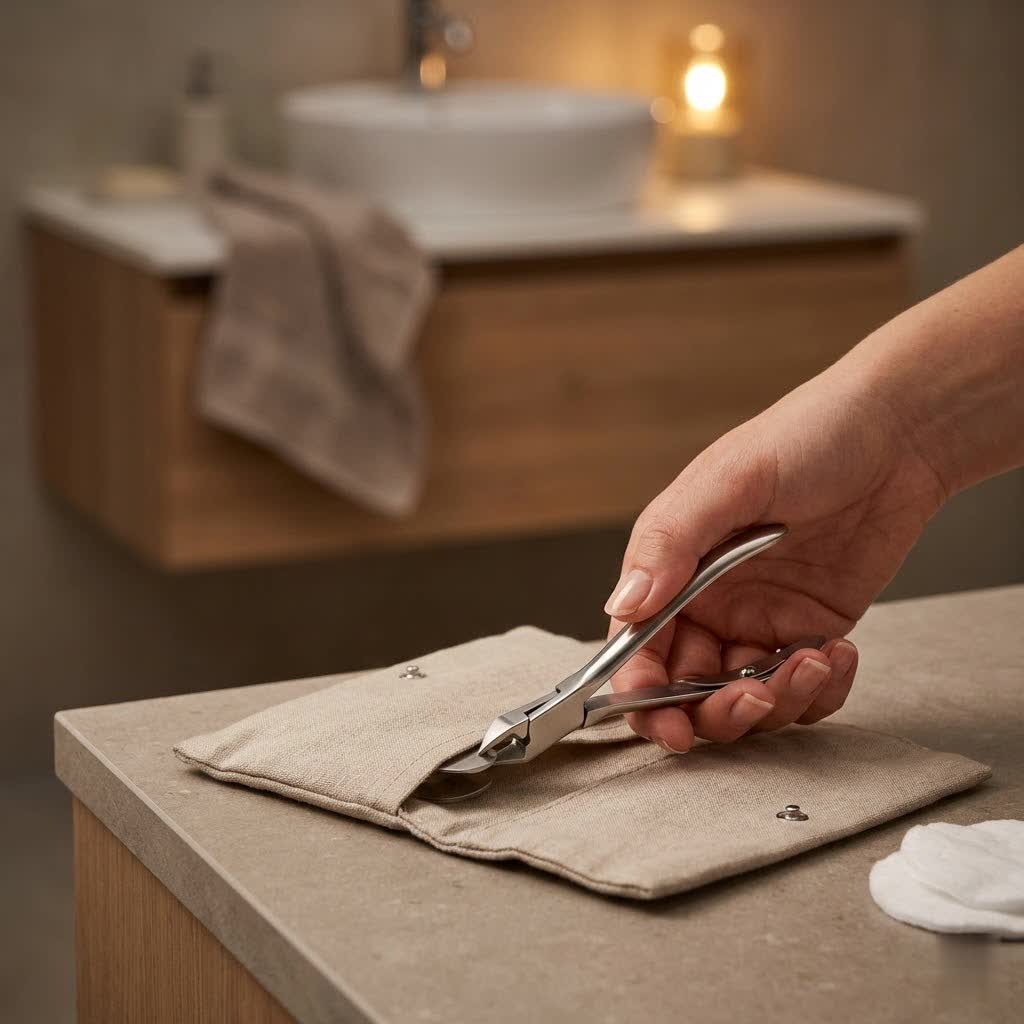
Are you tired of struggling with flimsy, standard nail clippers that just can’t tackle your thick, stubborn nails? You’re not alone. Many people face the frustration of inadequate tools when it comes to maintaining healthy, well-groomed nails, especially those on their feet. If you’ve ever wished for a more robust and effective solution, it’s time to discover the power and precision of large nail clippers. These heavy-duty tools are specifically designed to provide the leverage and cutting power needed for challenging nail care, transforming a daunting task into a manageable one.
Overview of Large Nail Clippers
Large nail clippers are specialized grooming instruments engineered to handle thicker, tougher nails that conventional clippers often cannot. Unlike their smaller counterparts, they feature a more substantial build, wider jaw openings, and enhanced leverage, making them indispensable for specific nail care needs. Their primary purpose is to offer a clean, precise cut where standard tools fall short, significantly improving both the efficacy and safety of at-home nail trimming.
The evolution of nail clippers has seen a shift from basic, often inefficient designs to highly specialized tools that cater to diverse requirements. Large nail clippers emerged as a direct response to the common problems of thick toenails, ingrown nails, and the reduced dexterity that can come with age or certain conditions. These robust tools are not just bigger; they are fundamentally designed for greater power and control.
Who truly benefits from these heavy-duty clippers? Primarily, individuals with naturally thick fingernails or toenails, those managing conditions like fungal infections that harden nails, and people prone to ingrown toenails find them invaluable. Seniors and individuals with arthritis or limited hand strength also benefit immensely from the enhanced grip and leverage provided by larger handles and more efficient cutting mechanisms, reducing strain and improving safety during use.
Types of Large Nail Clippers
The market offers several types of large nail clippers, each designed with specific features to address varying nail challenges. Understanding these distinctions is key to selecting the most effective tool for your needs. The main categories include the classic lever-type with a wide jaw, the powerful plier-style nipper, and specialized ergonomic designs.
Lever-Type Large Nail Clippers
Lever-type large nail clippers operate on the familiar scissor-like pivot mechanism, but are scaled up significantly for increased strength and a wider jaw opening. They typically feature a long, comfortable lever arm that maximizes leverage, allowing you to cut through dense nails with less effort. These are often the go-to for general thick toenail maintenance.
Advantages:
- Familiarity: Easy to use for anyone accustomed to traditional clippers.
- Wide Jaw: Accommodates a broad range of nail thicknesses.
- Good Leverage: Reduces the physical force required for cutting.
Disadvantages:
- Less Precision for Angles: Can be challenging for intricate cuts or deeply ingrown nails.
- Bulkier: May be less portable than smaller options.
Plier-Style Nail Clippers (Nippers)
|
Our Picks for the Best Nail Clippers in 2026
As an Amazon Associate I earn from qualifying purchases.
|
||
| Num | Product | Action |
|---|---|---|
| 1 | HAWATOUR Nail Clippers Set, Ultra Sharp Sturdy Fingernail and Toenail Clipper Cutters with Visibly Tin Case, Silver |

|
| 2 | 4-in-1 Electric Nail Clipper with LED Light – Quiet Rechargeable Nail Grooming Kit, Grinder & Polisher, 2 Speed, Nail Debris Collector, Portable Gift Set |
|
| 3 | HAWATOUR Nail Clippers Set, Ultra Sharp Sturdy Fingernail and Toenail Clipper Cutters with Visibly Tin Case, Black |
|
| 4 | Nail Clipper Set,Premium Stainless Steel Fingernail and Toenail Clipper Cutters with Nail File, Sharp Effortless Nail Clippers Set for Men & Women(Silver) |
|
| 5 | Upgraded Toenail Clippers for Thick Toenails for Seniors, Angled Head Large Toe Nail Clippers Set for Men, Heavy Duty Ingrown Toenail Clippers Long Handled, Ultra Sharp Slanted Nail Cutter Wide Jaw |
|
| 6 | 2026 Upgraded 3-in-1 Electric Nail Clipper,Rechargeable Electric Nail File & Toenails, 6 Speeds with LED Light & Nail Debris Storage,Suitable for Children,Adults,Seniors to use Electric Nail Trimmer |
|
| 7 | SZQHT Ultra Wide Jaw Opening Nail Clippers Set, Toenail Clippers for Thick Nails, Heavy Duty Nail Cutter, Stainless Steel Toe Nail Clippers for Seniors, Men & Women Manicure,Pedicure,Big(Black) |
|
| 8 | Toenail Clippers for Seniors Thick Toenails, Aucurwen Heavy Duty Toe Nail Clippers Adult Thick Nails Long Handle, Large Toenail Clippers for Thick Nails 7Pcs |
|
| 9 | Toenail Clippers for Thick Toenails for Seniors, Angled Head Large Toe Nail Clippers for Thick Nails for Men, Heavy Duty Ingrown Toenail Clippers with Wide Jaw, Sharp Slanted Nail Cutter Black |
|
| 10 | Ultra Sharp Nail Clippers Set - 2 Pack Stainless Steel Fingernail & Toenail Trimmers with Built-in Nail File for Women & Seniors (Silver) |
|
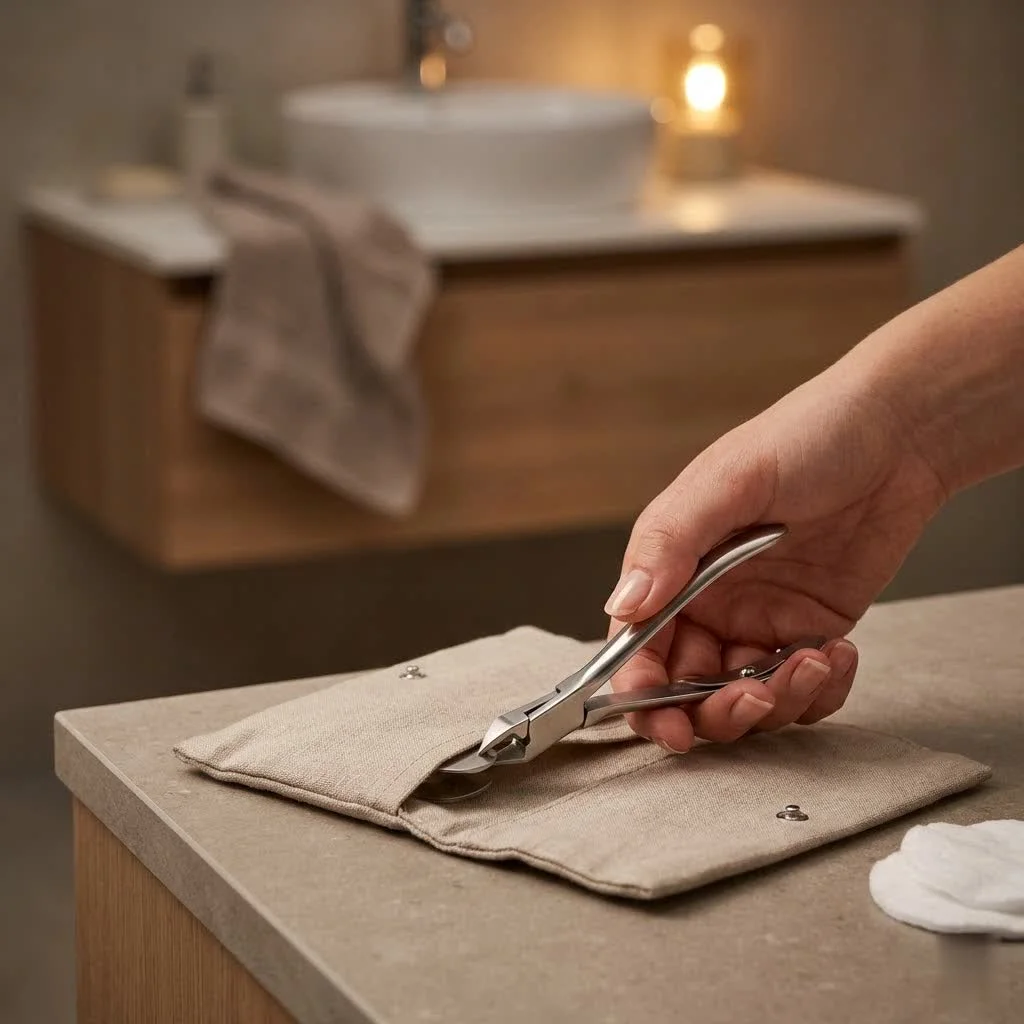
Plier-style nail clippers, often referred to as nail nippers or podiatry clippers, resemble a pair of pliers and are distinguished by their spring-loaded handles and sharp, often curved, blades. These tools provide exceptional control and cutting power, making them ideal for extremely thick, hard, or even deformed nails. Many professionals, like podiatrists, rely on nippers for their precision and strength.
Advantages:
- Superior Strength: Unmatched cutting power for the toughest nails.
- Precision Control: Allows for very accurate cuts, vital for ingrown nails.
- Ergonomic Grip: Often designed with textured or padded handles for comfort.
Disadvantages:
- Learning Curve: May take some practice to use effectively for beginners.
- Higher Cost: Generally more expensive due to specialized design and materials.
Specialized Large Nail Clippers
Beyond the two main types, several specialized large nail clippers cater to unique user needs, prioritizing comfort, accessibility, and specific health concerns.
- For Thick/Fungal Nails: These often overlap with heavy-duty plier-style nippers, featuring extra-sharp, durable blades and broad jaw openings specifically designed to cut through hardened, brittle nails affected by fungal infections without splintering.
- For Seniors/Arthritis Patients: Clippers in this category emphasize ergonomic design, often incorporating longer handles, padded grips, or rotating heads that swivel 360 degrees. This adaptability significantly reduces strain on joints and makes reaching and cutting nails much easier for individuals with limited dexterity or range of motion. Some also feature a spring mechanism that keeps the blades open, requiring less effort to operate.
- Wide Jaw Opening Clippers: While often a feature of both lever and plier types, some clippers are specifically marketed for their extra-wide jaw opening, capable of accommodating nails up to 15mm thick. These are crucial for individuals with exceptionally robust nails that won’t fit into standard clippers.
Comparison Table of Large Nail Clippers
Choosing the right large nail clipper means weighing different features against your personal needs. This table provides a quick overview of the characteristics that set various types apart.
| Feature / Type | Wide-Jaw Lever Clipper | Plier-Style Nipper (Podiatry Clipper) | Ergonomic/Rotating Head Clipper |
|---|---|---|---|
| Material | Stainless steel, often tempered. | High-grade surgical stainless steel, often carbon steel. | Stainless steel, sometimes with rubberized or plastic grips. |
| Jaw Opening | Medium to very wide (up to 10-12mm common). | Wide to extra-wide (up to 15mm or more common). | Typically wide, designed for accessibility. |
| Handle Design | Classic lever action, larger size for better grip. | Long, often curved handles with spring mechanism for leverage. | Contoured, non-slip grips; may have 360° rotating head. |
| Blade Type | Typically curved for natural nail shape. | Straight or slightly curved for precision and ingrown nail prevention. | Often curved, sometimes with an option for straight blades. |
| Primary Use | General thick toenail trimming, strong fingernails. | Extremely thick nails, ingrown nails, fungal nails, professional use. | Seniors, arthritis, limited dexterity, awkward angles. |
| Pros | Familiar, good leverage, accommodates many thick nails. | Superior cutting power, precise, durable, professional-grade. | Easy to hold, reduces strain, improves reach, versatile angles. |
| Cons | Less precise than nippers, can be bulky. | Learning curve, generally higher cost, can be intimidating. | May be slightly less robust for extremely dense nails (depending on model). |
| Price Range | Moderate | Moderate to High | Moderate to High |
How to Choose the Right Large Nail Clippers (Buying Guide)
Selecting the ideal pair of large nail clippers requires careful consideration of several factors to ensure you get a tool that is effective, durable, and comfortable to use. Don’t just grab the first oversized clipper you see; a thoughtful choice will save you frustration and potential injury in the long run.
Key Factors to Consider When Choosing Large Nail Clippers
- Material: The quality of the material directly impacts durability and sharpness. Look for clippers made from high-grade stainless steel (like surgical or 420J2 stainless steel) or even titanium. These materials offer superior rust resistance, maintain sharpness longer, and are easier to sterilize. Avoid cheaper options made from soft metals, which can dull quickly and lead to ragged cuts.
- Blade Sharpness and Durability: Sharp blades are paramount for a clean, effortless cut, preventing splintering or crushing of the nail. Durable blades will retain their edge over time, reducing the need for frequent replacement. A good test for nippers is to hold them to the light; the tips should meet perfectly, and as you close them slightly, you should see light between the blades before they fully close, indicating precision.
- Jaw Opening Width: For genuinely thick nails, a wide jaw opening is non-negotiable. Standard clippers often have jaws that open only a few millimeters. Look for large clippers with jaw openings of at least 8-10mm, with some heavy-duty models offering up to 15mm for exceptionally thick nails.
- Ergonomics and Grip: A comfortable, non-slip grip is crucial, especially if you have arthritis, limited hand strength, or are clipping hard-to-reach toenails. Features like rubberized handles, textured surfaces, or elongated designs provide better control and reduce hand fatigue. Consider if the clipper feels balanced and secure in your hand.
- Blade Type (Curved vs. Straight):
- Curved blades follow the natural curve of the nail and are often preferred for fingernails and general toenail trimming.
- Straight blades are highly recommended for toenails, particularly to prevent ingrown toenails. Cutting straight across the nail reduces the risk of the nail growing into the surrounding skin.
- Brand Reputation and Price: Reputable brands often indicate a commitment to quality and stand behind their products. While large nail clippers can range from affordable to premium, investing a bit more in a high-quality tool is often worth it for its performance and longevity.
Where to Buy Large Nail Clippers
You can find quality large nail clippers at various retailers. Online marketplaces like Amazon, specialized beauty supply stores, and medical supply stores often carry a wide selection. Pharmacies and drugstores may offer basic models, but for professional-grade or highly specialized options, online retailers or dedicated grooming supply shops are usually your best bet. Always check reviews and product specifications before purchasing.
How to Maintain Large Nail Clippers to Increase Their Lifespan
Proper maintenance is vital for ensuring your large nail clippers remain sharp, hygienic, and last for years.
- Clean After Each Use: Immediately after clipping, remove any nail debris. You can use a small brush or a cotton swab.
- Disinfect Regularly: For hygiene, especially if used on multiple individuals or if dealing with fungal nails, disinfect the blades. Wiping them with rubbing alcohol or a specialized sanitizing solution is recommended.
- Dry Thoroughly: Moisture is the enemy of metal. Ensure your clippers are completely dry before storing them to prevent rust.
- Store Properly: Keep clippers in a dry place, preferably in a protective pouch or case, to prevent damage to the blades and keep them clean.
- Sharpening (if applicable): While many stainless steel clippers retain sharpness for a long time, some high-end nippers can be professionally sharpened if they become dull. Consult the manufacturer’s guidelines.
“The right tool can transform an irritating chore into a simple, satisfying routine. For thick or difficult nails, a well-chosen large nail clipper isn’t a luxury; it’s a necessity for healthy, comfortable nail care.” – Dr. Elena Petrova, Podiatrist & Nail Health Specialist
Top Picks – Best Large Nail Clippers
Based on critical features like material, jaw opening, ergonomics, and overall performance, here are some examples of the best large nail clippers designed to meet various needs:
1. The “Heavy-Duty Wide Jaw Lever Clipper”
This type of clipper is a powerhouse for everyday thick nail challenges. Built with robust, heat-treated surgical stainless steel, it boasts an extra-wide jaw opening, often exceeding 10mm, making it ideal for the most unyielding toenails. Its extended lever arm provides maximum leverage with minimal effort, ensuring a clean, straight cut every time. Many models feature textured or rubberized grips for enhanced control and comfort, preventing slips even with wet hands. It’s perfect for individuals seeking a straightforward, powerful solution for general thick nail maintenance without venturing into the more specialized plier-style.
Pros: Exceptional cutting power, ergonomic design, rust-resistant, familiar lever mechanism.
Cons: Can be bulky, may lack the ultra-fine precision of some nippers.
2. The “Professional Plier-Style Toenail Nipper”
Designed with podiatrists in mind, these nippers offer unparalleled precision and strength for particularly challenging nail conditions. Featuring a spring-loaded, scissor-like action and finely honed, often slightly curved, stainless steel blades, they excel at cutting very thick, ingrown, or fungal nails with controlled accuracy. The long, angled handles provide excellent reach and leverage, making them easier to maneuver for detailed work. They are an essential tool for those needing to address specific nail health issues with surgical-grade precision.
Pros: Superior control and precision, extremely sharp blades, ideal for ingrown/fungal nails, professional-grade durability.
Cons: Higher price point, requires a gentle touch and some practice for new users.
3. The “Ergonomic 360° Rotating Head Clipper”
This innovative design is a game-changer for seniors, individuals with arthritis, or anyone with limited flexibility. Crafted from durable stainless steel, its standout feature is a cutting head that rotates a full 360 degrees. This allows you to position the blades at any angle, significantly easing the strain on wrists and hands and making it easier to reach toenails without awkward contortions. The handles are often elongated and feature soft, non-slip grips for maximum comfort and control. While powerful enough for most thick nails, its primary advantage is accessibility and comfort.
Pros: Excellent for limited mobility, reduces strain, versatile angles, comfortable grip.
Cons: May not have the sheer raw power of dedicated heavy-duty nippers for extreme cases.
Conclusion
Choosing the right large nail clippers can fundamentally transform your nail care routine, turning a potentially frustrating and painful task into a simple, effective part of your grooming. Whether you’re dealing with naturally thick nails, the challenges of aging, or specific conditions, a well-selected heavy-duty tool provides the precision, power, and comfort you need. By focusing on factors like material quality, jaw opening, ergonomic design, and blade type, you can find a clipper that not only lasts for years but also ensures healthier, beautifully trimmed nails. Isn’t it time you equipped yourself with the perfect tool for impeccable nail health?
Frequently Asked Questions
What makes large nail clippers different from regular ones?
Large nail clippers are distinguished by their wider jaw opening, stronger construction, and greater leverage. These features allow them to cut through thicker, harder nails more effectively than standard clippers, which often struggle or cause damage to robust nails.
Are large nail clippers only for toenails?
While large nail clippers are predominantly used for toenails due to their typical thickness, many models are also suitable for exceptionally thick fingernails. The key is their ability to handle dense nail plates, regardless of location.
Can large nail clippers help prevent ingrown toenails?
Yes, particularly plier-style nippers with straight blades. By allowing precise, straight cuts across the nail, they help prevent the nail edges from growing into the surrounding skin, which is a common cause of ingrown toenails.
What material is best for large nail clippers?
High-grade stainless steel, such as surgical stainless steel or 420J2 stainless steel, is generally considered the best material. It offers excellent durability, maintains sharpness, and is resistant to rust and corrosion, ensuring longevity and hygiene.
How do I maintain my large nail clippers?
To extend their lifespan, clean your large nail clippers after each use by removing debris and disinfecting them with rubbing alcohol. Ensure they are thoroughly dried before storing them in a protective pouch or case to prevent rust and keep the blades sharp.
Get our weekly buyer guide
Practical specs, not advice. Unsubscribe anytime.
