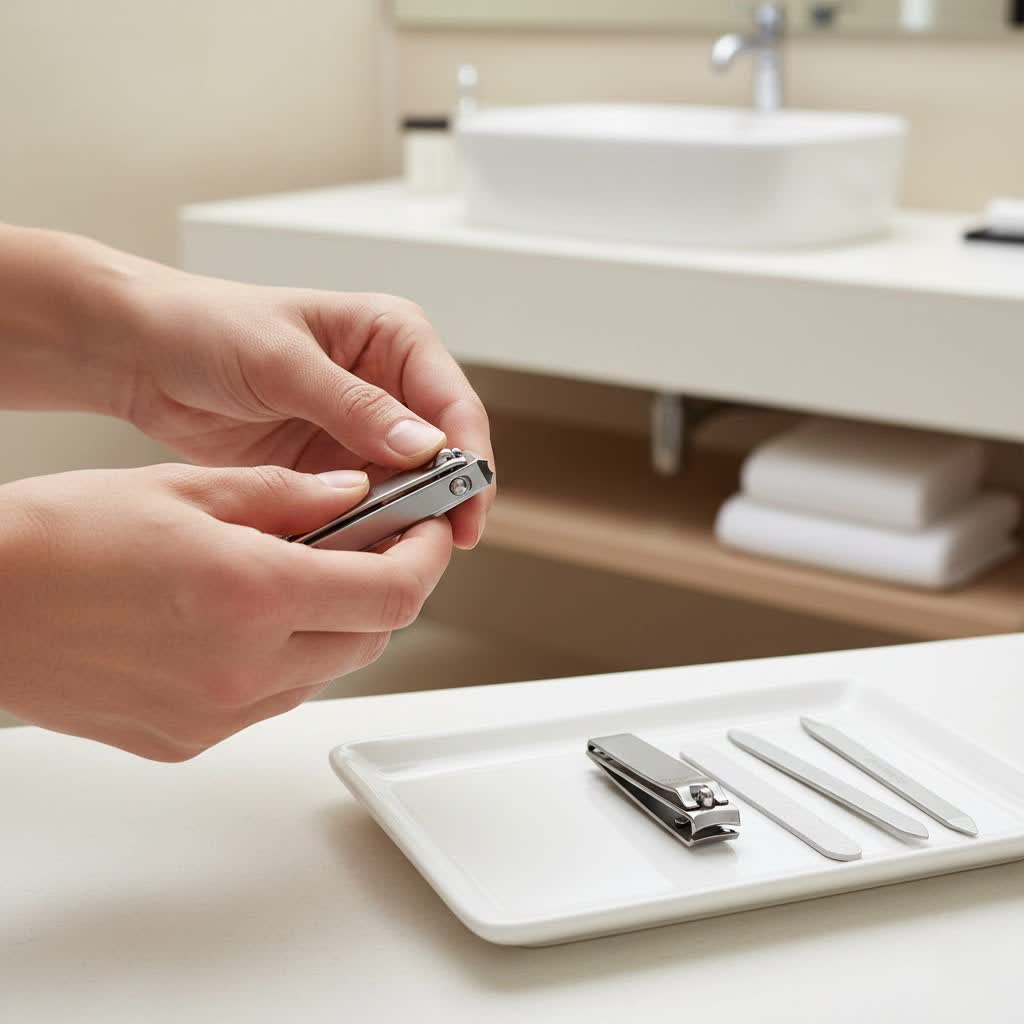
Dealing with thick nails can be a challenging and often frustrating experience. Whether caused by age, fungal infections, injury, or genetics, stubborn nails require more than just a standard clipper. If you’ve struggled with tools that bend, break, or simply can’t handle the job, you’re not alone. The right Thick Nail Clippers can transform your nail care routine, making it safer, easier, and more effective. Let’s explore everything you need to know to select the perfect tool for your needs and maintain healthy, comfortable nails.
Understanding Thick Nail Clippers
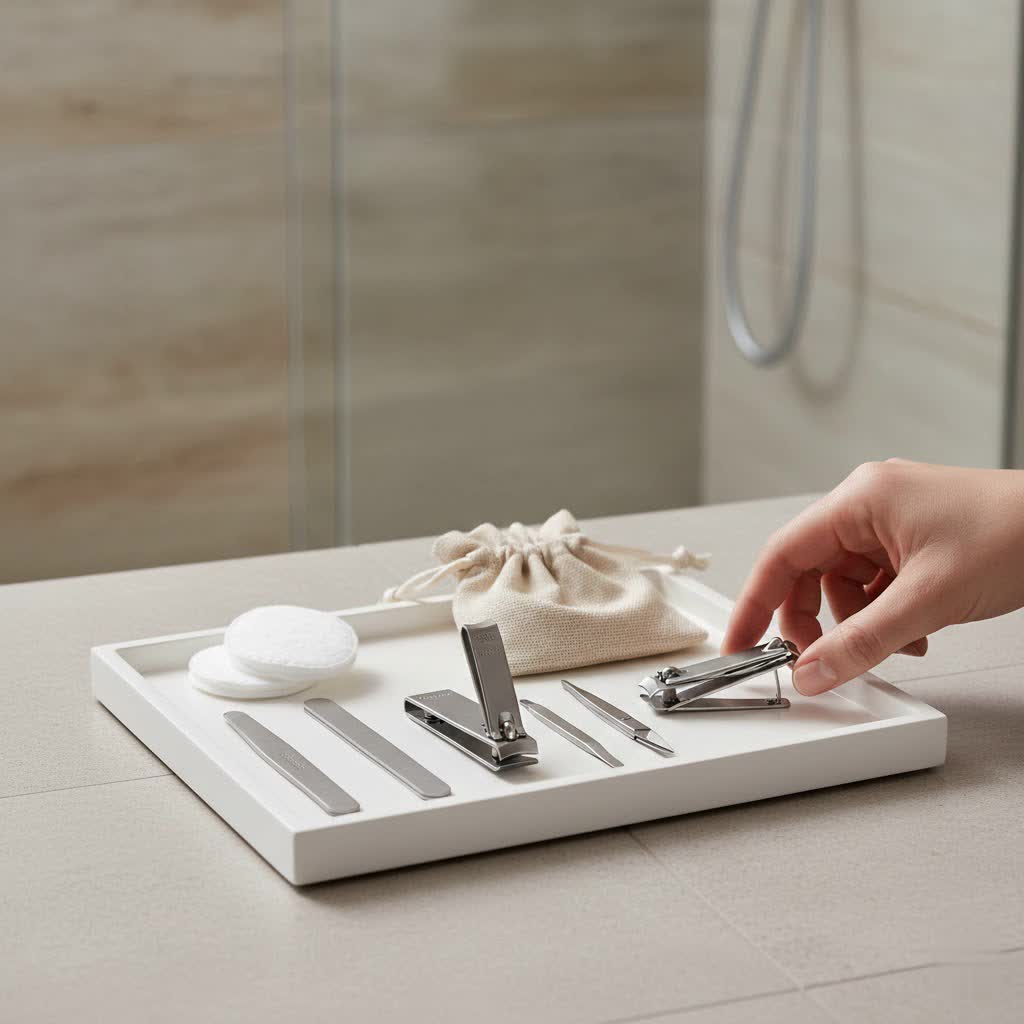
What sets thick nail clippers apart from their regular counterparts? Fundamentally, they are engineered with enhanced strength, sharper blades, and ergonomic designs to tackle nails that are dense and resistant to cutting. They are purpose-built to provide the leverage and precision needed to achieve a clean cut without causing damage to the nail or surrounding skin.
The evolution of nail care tools has brought us from basic shears to sophisticated clippers with specialized features. Early nail care was often rudimentary, but as understanding of hygiene and nail health grew, so did the tools. Today, advancements in metallurgy and design mean there’s a specialized clipper for almost every nail type and condition.
Why do nails become thick? Several factors can contribute to nail thickening, a condition known as onychauxis. The most common causes include:
- Aging: As we age, nail growth slows, and nails can naturally become thicker and harder.
- Fungal Infections (Onychomycosis): These infections can cause nails to become discolored, brittle, and significantly thickened.
- Injury or Trauma: Repeated micro-trauma from ill-fitting shoes or a single significant injury can lead to nail thickening.
- Psoriasis: This skin condition can affect nails, causing them to thicken, pit, and sometimes separate from the nail bed.
- Other Health Conditions: Certain medical conditions or medications can also impact nail health and lead to thickening.
Popular Types of Thick Nail Clippers
The market offers a variety of thick nail clippers, each designed with specific strengths. Understanding these types will help you narrow down the best choice for your individual needs.
Lever-Type Clippers: Enhanced Power and Precision
|
Our Picks for the Best Nail Clippers in 2026
We may earn a commission when you use one of our links to make a purchase.
|
||
| Num | Product | Action |
|---|---|---|
| 1 | Nail Clipper Set,Premium Stainless Steel Fingernail and Toenail Clipper Cutters with Nail File, Sharp Effortless Nail Clippers Set for Men & Women(Silver) |

|
| 2 | SZQHT Ultra Wide Jaw Opening Nail Clippers Set, Toenail Clippers for Thick Nails, Heavy Duty Nail Cutter, Stainless Steel Toe Nail Clippers for Seniors, Men & Women Manicure,Pedicure,Big(Black) |
|
| 3 | Toenail Clippers for Seniors Thick Toenails, Aucurwen Heavy Duty Toe Nail Clippers Adult Thick Nails Long Handle, Large Toenail Clippers for Thick Nails 7Pcs |
|
| 4 | Upgraded Toenail Clippers for Thick Toenails for Seniors, Angled Head Large Toe Nail Clippers Set for Men, Heavy Duty Ingrown Toenail Clippers Long Handled, Ultra Sharp Slanted Nail Cutter Wide Jaw |
|
| 5 | Ultra Sharp Nail Clippers Set - 2 Pack Stainless Steel Fingernail & Toenail Trimmers with Built-in Nail File for Women & Seniors (Silver) |
|
| 6 | HAWATOUR Nail Clippers Set, Ultra Sharp Sturdy Fingernail and Toenail Clipper Cutters with Visibly Tin Case, Black |
|
| 7 | Toenail Clippers for Thick Toenails for Seniors, Angled Head Large Toe Nail Clippers for Thick Nails for Men, Heavy Duty Ingrown Toenail Clippers with Wide Jaw, Sharp Slanted Nail Cutter Black |
|
| 8 | HAWATOUR Nail Clippers Set, Ultra Sharp Sturdy Fingernail and Toenail Clipper Cutters with Visibly Tin Case, Silver |
|
| 9 | 2026 Upgraded 3-in-1 Electric Nail Clipper,Rechargeable Electric Nail File & Toenails, 6 Speeds with LED Light & Nail Debris Storage,Suitable for Children,Adults,Seniors to use Electric Nail Trimmer |
|
| 10 | 4-in-1 Electric Nail Clipper with LED Light – Quiet Rechargeable Nail Grooming Kit, Grinder & Polisher, 2 Speed, Nail Debris Collector, Portable Gift Set |
|
These are the most familiar type, featuring two levers that pivot to bring the blades together. For thick nails, lever-type clippers are significantly larger and more robust than standard versions. They typically boast wider jaw openings and are constructed from heavy-duty materials like stainless steel. The increased leverage provided by longer handles allows for greater cutting force, making them suitable for moderately thick fingernails and toenails. Many people appreciate their straightforward design and ease of use for general maintenance of tougher nails.
Plier-Type Clippers (Nippers): The Podiatrist’s Choice
Plier-type clippers, often referred to as nail nippers, resemble small pliers and are frequently recommended by podiatrists. They typically feature a spring mechanism that keeps the jaws open, requiring less effort to operate. These clippers offer superior precision and control, making them ideal for very thick, ingrown, or fungal nails. Their pointed or angled blades can access hard-to-reach areas and trim precisely, which is crucial for preventing further issues with ingrown nails. Plier-type clippers often come with straight blades, a key feature for preventing ingrown nails by encouraging a straight-across cut.
Specialized Clippers: Adapting to Unique Needs
Beyond the standard lever and plier types, several specialized designs cater to specific challenges:
- Angled Head Clippers: These clippers feature a blade head set at an angle, making it easier for individuals with limited mobility or flexibility to reach and trim toenails without excessive bending or twisting. They enhance visibility and precision, particularly for seniors.
- Rotating Head Clippers: With a head that can rotate 360 degrees, these clippers offer exceptional flexibility, allowing you to find the most comfortable and effective cutting angle. This design is particularly beneficial for those with arthritis or other joint pain, as it reduces strain on the wrist and hand.
- Wide Jaw Opening Clippers: While many heavy-duty clippers have wider jaws, some are specifically marketed for their extra-wide opening (e.g., 15mm or even 1.5 inches). This feature is essential for accommodating exceptionally thick nails without forcing them into the blades, which can lead to splintering or discomfort.
Electric Nail Files/Grinders: A Modern Alternative
For those who find traditional clipping difficult or prefer a gentler approach, electric nail files or grinders offer an excellent alternative. These devices typically use a rotating abrasive head to gradually thin and shape thick nails. They are particularly useful for individuals with very brittle or fragile nails, severe fungal infections, or those who require minimal effort. Many models come with different attachments for filing, buffing, and even cuticle care, providing a comprehensive solution. They can also smooth out rough edges after initial clipping.
Comparison Table: Choosing Your Ideal Thick Nail Clipper
To help you decide, here’s a comparison of the main types of thick nail clippers:
| Feature | Lever-Type (Heavy-Duty) | Plier-Type (Nippers) | Electric Nail File/Grinder |
|---|---|---|---|
| Jaw Width | Wide (e.g., 5-10mm) | Extra-Wide (e.g., 10-25mm/1 inch+) | Not applicable (grinding tool) |
| Material | High-grade Stainless Steel, Carbon Steel | Surgical-grade Stainless Steel, Coated Alloy | Various (often durable plastics with sapphire/diamond bits) |
| Ergonomics | Longer handles for leverage | Spring mechanism, contoured grips, precise control | Ergonomic body, often lightweight |
| Best For | Moderately thick nails, general thick nail maintenance | Very thick nails, ingrown nails, fungal nails, precision work | Extremely thick/brittle nails, seniors, ease of use, smoothing |
| Pros | Familiar design, strong cutting power, durable | Excellent precision, high leverage, ideal for problematic nails | Effortless, gentle, versatile (filing/buffing), reduces risk of cuts |
| Cons | Can still require significant hand strength | Very sharp (requires caution), less familiar to some users | Can be slower, requires battery/charging, initial cost can be higher |
Your Comprehensive Buying Guide for Thick Nail Clippers
Choosing the right thick nail clipper is an investment in your comfort and nail health. Consider these factors to make an informed decision:
Essential Factors When Selecting Nail Clippers:
-
Material Quality: The Foundation of Durability
Look for clippers made from high-quality stainless steel, such as 420J2 stainless steel, or surgical-grade stainless steel. These materials are not only durable and resistant to rust and corrosion but also easy to sterilize, which is crucial for hygiene. Some clippers may use carbon steel for enhanced sharpness or coated alloys to reduce weight without compromising strength. A robust material ensures longevity and consistent performance. -
Blade Sharpness and Edge Design
The blades are the heart of any clipper. They should be precision-ground and exceptionally sharp to deliver clean cuts without crushing, tearing, or splitting the nail. For toenails, especially thick ones, a straight-edged blade is generally recommended. Cutting straight across helps prevent ingrown nails, which can be a painful complication, particularly with thick toenails. While curved blades are common for fingernails, opt for straight ones for your feet. -
Jaw Opening: The Wider, The Better
A wide jaw opening is perhaps the most critical feature for thick nail clippers. Standard clippers often struggle to accommodate the thickness, leading to incomplete or jagged cuts. Look for clippers with a jaw that opens wide enough (typically 15mm or more, up to 1.5 inches for some heavy-duty models) to comfortably fit the thickest part of your nail. This prevents undue stress on the nail and the clipper itself. -
Ergonomics and Grip: Comfort Meets Control
Handling thick nails requires force, so a comfortable and secure grip is paramount. Clippers with longer handles, textured surfaces, or non-slip rubberized grips provide better control and leverage, reducing strain on your hands. A spring-action mechanism in plier-type clippers can also significantly reduce the force needed, making them easier to use for extended periods or for individuals with limited hand strength or arthritis. -
Brand Reputation and Warranty
Investing in a reputable brand often means better quality control, material standards, and customer support. Look for brands known for producing durable and effective nail care tools. A good warranty can also provide peace of mind, ensuring your investment is protected. -
Price vs. Value: Investing in Your Nail Health
While it might be tempting to opt for the cheapest option, thick nail clippers are an area where quality truly makes a difference. A slightly higher initial investment in a well-made, durable clipper will pay off in terms of effectiveness, safety, and longevity, reducing the need for frequent replacements.
Where to Purchase Your Clippers
High-quality thick nail clippers can be found at various retailers:
- Online Marketplaces: Websites like Amazon offer a vast selection, often with detailed reviews and comparisons.
- Specialty Beauty or Medical Supply Stores: These stores may carry professional-grade or podiatrist-recommended tools.
- Pharmacies or Drugstores: Some larger pharmacies stock a selection of heavy-duty clippers, though variety might be limited.
Maintaining Your Thick Nail Clippers for Longevity
Proper care extends the life of your clippers and ensures hygiene:
- Clean After Each Use: Use rubbing alcohol or an antiseptic wipe to clean the blades thoroughly after every use. This prevents the buildup of nail debris and reduces the risk of bacterial or fungal transfer.
- Dry Completely: Ensure your clippers are completely dry before storing them to prevent rust, especially for stainless steel models.
- Store Safely: Keep clippers in a protective pouch or case to prevent damage to the blades and to keep them free from dust and contaminants.
- Avoid Dropping: Dropping clippers, especially on hard surfaces, can misalign or dull the blades.
Top Features to Look for in High-Performing Thick Nail Clippers
When evaluating options, prioritize these features for the best performance with thick nails:
Wide Jaw & Robust Build
The ability to open wide enough to encompass the entire thickness of the nail without forcing it is paramount. Look for clippers that specify a generous jaw opening, typically starting around 15mm (0.6 inches) and going up to 1.5 inches for very severe cases. This, combined with a heavy-duty, reinforced construction, ensures the clipper won’t flex or break under pressure, providing a decisive, clean cut every time. A wide jaw prevents splintering and nail damage often associated with inadequate tools.
Surgical-Grade Stainless Steel Blades
For maximum sharpness, durability, and hygiene, prioritize clippers with blades crafted from surgical-grade stainless steel. This material is not only exceptionally hard and capable of holding a sharp edge but is also highly resistant to rust and corrosion. Precision-ground blades ensure a smooth cutting action that glides through even the toughest nails, minimizing jagged edges and the risk of ingrown nails. The ease of cleaning and sterilization also makes surgical-grade steel a top choice for preventing infections.
Ergonomic Handles & Spring Mechanism
To effectively cut thick nails, you need significant leverage and control. Ergonomically designed handles, often longer than standard clippers, provide a comfortable and secure grip that translates more force directly to the blades. Many high-performing models, particularly plier-types, also feature a spring-action mechanism. This feature automatically reopens the blades after each squeeze, reducing hand fatigue and making repeated cuts easier. This combination of design elements is especially beneficial for individuals with reduced hand strength, arthritis, or dexterity issues, ensuring a powerful yet controlled clipping experience.
Conclusion
Tackling thick nails doesn’t have to be a painful ordeal. By understanding the unique challenges thick nails present and choosing the right tools, you can maintain healthy, well-groomed nails with confidence. Prioritizing features like a wide jaw opening, sharp surgical-grade blades, and an ergonomic design will ensure you select a clipper that is effective, durable, and comfortable to use. Remember to always prepare your nails properly by soaking them and cutting straight across to prevent issues. Investing in a quality thick nail clipper is a small step that makes a monumental difference in your overall foot and hand health.
What steps will you take today to upgrade your nail care routine for thicker nails?
Câu Hỏi Thường Gặp
What causes nails to become thick?
Nails can thicken due to various factors, including the natural aging process, fungal infections like onychomycosis, repeated trauma or injury to the nail, and skin conditions such as psoriasis. Poor circulation and certain medical conditions can also contribute to nail thickening.
Can I use regular nail clippers on thick nails?
While you technically can, regular nail clippers are often not strong or sharp enough for thick nails. Using them can result in crushing or tearing the nail, leading to pain, splintering, or even damage to the nail bed. It’s best to use clippers specifically designed for thick nails.
How do I safely cut very thick toenails?
To safely cut very thick toenails, first soak your feet in warm water for 5-10 minutes to soften the nails. Use a heavy-duty, sharp nail clipper with a wide jaw opening. Make small, straight cuts across the nail, avoiding rounding the corners to prevent ingrown nails. After clipping, gently file any sharp edges.
When should I see a podiatrist for thick nails?
You should consult a podiatrist if you have diabetes, poor circulation, reduced sensation in your feet, or if you struggle with persistent pain, severe ingrown nails, or suspected fungal infections. A professional can safely trim and assess your nails, preventing potential complications.
What’s the best material for thick nail clippers?
The best material for thick nail clippers is high-quality stainless steel, such as surgical-grade or 420J2 stainless steel. These materials are known for their exceptional durability, rust resistance, and ability to hold a sharp edge, ensuring clean and precise cuts while also being easy to sanitize.