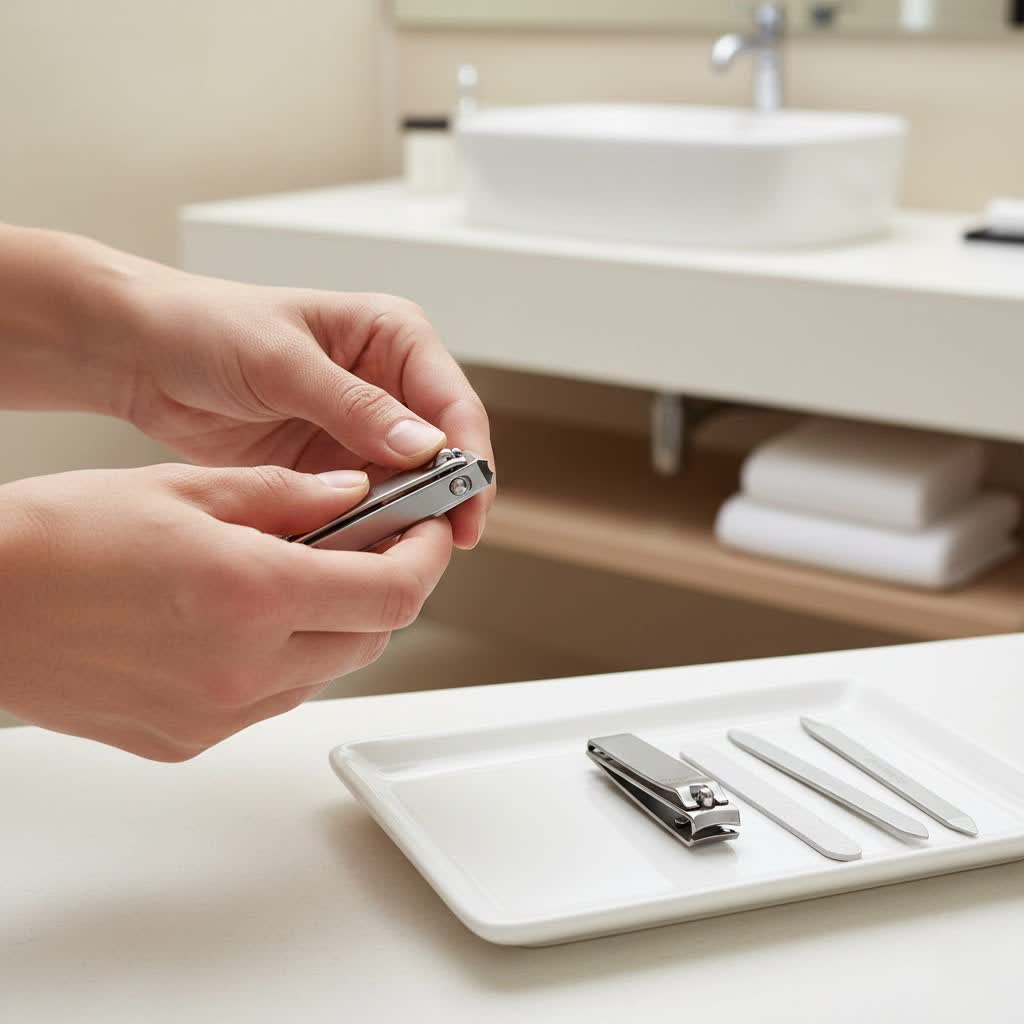
Have you ever considered what might be lurking on your nail clippers? These seemingly innocuous tools, essential for maintaining tidy nails, can unfortunately become a breeding ground for harmful microorganisms if not properly cared for. Neglecting the sterilization of your nail clippers puts you at risk of various infections, from common nail fungus to more severe bacterial and viral conditions. This comprehensive guide will equip you with the knowledge and methods to ensure your nail clippers are impeccably clean, safeguarding your nail health with every trim.
The Crucial Role of Nail Clipper Sterilization
Nail clippers are indispensable grooming tools designed to precisely trim fingernails and toenails. However, their direct contact with skin and nails makes them a prime candidate for collecting debris, dead skin cells, bacteria, fungi, and even viruses. These microscopic invaders can easily transfer from one nail to another, or even from one person to another if clippers are shared without proper hygiene.
Why is sterilization so essential? It’s about more than just cleanliness; it’s about disease prevention. Unsanitized nail clippers can transmit infections such as athlete’s foot, various forms of nail fungus (onychomycosis), bacterial infections like staph, and, in severe cases, even viral infections including herpes, HIV, and hepatitis. Proper sterilization eliminates these microorganisms, acting as a critical barrier against the spread of such conditions. Even for personal use, regular sterilization is vital to prevent self-reinfection or the exacerbation of existing nail issues.
It’s also important to understand the hierarchy of tool sanitation:
- Cleaning removes visible debris with soap and water. It’s the essential first step.
- Disinfecting kills most, but not all, microorganisms on non-porous surfaces.
- Sterilizing eliminates all forms of microbial life, including spores, providing the highest level of safety.
While home methods primarily achieve disinfection, using the term “sterilization” broadly implies a rigorous cleaning process aimed at significantly reducing pathogen load.
When should you prioritize sterilizing your nail clippers? Ideally, after every single use, especially if you’ve clipped nails showing signs of infection or if the clippers are shared. For general maintenance and personal use without obvious infections, a thorough disinfection at least once a month is a good practice, though frequent cleaning before each use is always recommended.
Step-by-Step Home Sterilization Methods for Nail Clippers
Ensuring your nail clippers are free from harmful pathogens doesn’t require professional equipment. Several effective methods can be easily performed at home. Before diving into disinfection, a crucial preliminary step is always required.
Preliminary Cleaning: A Vital First Step
Regardless of the sterilization method you choose, the first and most critical step is to remove any visible debris, nail dust, and oils from your nail clippers. This pre-cleaning allows your chosen disinfectant to make full contact with the tool’s surface, ensuring maximum effectiveness.
- Materials: Warm water, mild antibacterial soap, a small brush (an old toothbrush works well), and clean paper towels.
- Process:
- Rinse your nail clippers thoroughly under warm running water to wash away loose debris.
- Apply a few drops of mild antibacterial soap to the clippers.
- Using your small brush, gently yet meticulously scrub all surfaces of the clippers, paying close attention to the blades and hinges where debris can accumulate. Open and close the clippers a few times while scrubbing to dislodge any hidden particles.
- Rinse the clippers completely under warm water until all soap residue is gone.
- Pat them dry with a clean paper towel.
|
Our Picks for the Best Nail Clippers in 2026
We may earn a commission when you use one of our links to make a purchase.
|
||
| Num | Product | Action |
|---|---|---|
| 1 | HAWATOUR Nail Clippers Set, Ultra Sharp Sturdy Fingernail and Toenail Clipper Cutters with Visibly Tin Case, Silver |

|
| 2 | Nail Clipper Set,Premium Stainless Steel Fingernail and Toenail Clipper Cutters with Nail File, Sharp Effortless Nail Clippers Set for Men & Women(Silver) |
|
| 3 | Toenail Clippers for Seniors Thick Toenails, Aucurwen Heavy Duty Toe Nail Clippers Adult Thick Nails Long Handle, Large Toenail Clippers for Thick Nails 7Pcs |
|
| 4 | Upgraded Toenail Clippers for Thick Toenails for Seniors, Angled Head Large Toe Nail Clippers Set for Men, Heavy Duty Ingrown Toenail Clippers Long Handled, Ultra Sharp Slanted Nail Cutter Wide Jaw |
|
| 5 | 2026 Upgraded 3-in-1 Electric Nail Clipper,Rechargeable Electric Nail File & Toenails, 6 Speeds with LED Light & Nail Debris Storage,Suitable for Children,Adults,Seniors to use Electric Nail Trimmer |
|
| 6 | 4-in-1 Electric Nail Clipper with LED Light – Quiet Rechargeable Nail Grooming Kit, Grinder & Polisher, 2 Speed, Nail Debris Collector, Portable Gift Set |
|
| 7 | Ultra Sharp Nail Clippers Set - 2 Pack Stainless Steel Fingernail & Toenail Trimmers with Built-in Nail File for Women & Seniors (Silver) |
|
| 8 | HAWATOUR Nail Clippers Set, Ultra Sharp Sturdy Fingernail and Toenail Clipper Cutters with Visibly Tin Case, Black |
|
| 9 | Toenail Clippers for Thick Toenails for Seniors, Angled Head Large Toe Nail Clippers for Thick Nails for Men, Heavy Duty Ingrown Toenail Clippers with Wide Jaw, Sharp Slanted Nail Cutter Black |
|
| 10 | SZQHT Ultra Wide Jaw Opening Nail Clippers Set, Toenail Clippers for Thick Nails, Heavy Duty Nail Cutter, Stainless Steel Toe Nail Clippers for Seniors, Men & Women Manicure,Pedicure,Big(Black) |
|
Once your clippers are visually clean and free of gross debris, they are ready for disinfection.
Method 1: The Boiling Water Technique
Boiling is a traditional and highly effective method for disinfecting sturdy metal nail clippers, utilizing intense heat to kill microorganisms. This method is particularly suitable for stainless steel tools.
- Pros: Highly effective against a wide range of pathogens, uses readily available household items, no harsh chemicals involved.
- Cons: Not suitable for clippers with plastic components or delicate parts that could warp or melt. Requires careful handling of hot water and tools.
- Process:
- Fill a small pot with enough clean water to completely submerge your nail clippers.
- Bring the water to a rolling boil on your stovetop.
- Carefully place your pre-cleaned metal nail clippers into the boiling water using tongs. Ensure they are fully submerged.
- Allow the clippers to boil for at least 10-15 minutes. This duration provides ample time for the heat to eliminate microbes.
- Using tongs again, carefully remove the hot clippers from the water.
- Place them on a clean, dry paper towel or a heat-resistant surface to cool down completely.
- Once cool, ensure they are thoroughly air-dried before storage to prevent rust.
Method 2: Alcohol or Hydrogen Peroxide Soak
Soaking your nail clippers in an appropriate chemical solution is another straightforward and effective way to disinfect them. This method is convenient for regular use and can be used for most metal tools.
- Pros: Kills bacteria and viruses, relatively quick, and easy for routine disinfection.
- Cons: Requires handling chemicals, and proper ventilation is advisable. Less effective against spores than boiling or professional sterilization.
- Process:
- Choose your disinfectant: You’ll need either isopropyl alcohol (rubbing alcohol) with a concentration of at least 70% or a 3% hydrogen peroxide solution. Both are widely available and effective.
- Pour enough of your chosen disinfectant into a small, clean bowl or container to fully submerge your pre-cleaned nail clippers.
- Open your nail clippers (if possible) and completely immerse them in the solution.
- Let the clippers soak for a minimum of 10-30 minutes. The longer soaking time, up to 30 minutes, is recommended for more thorough disinfection, especially if you suspect fungal contamination.
- Carefully remove the clippers from the solution.
- Rinse them thoroughly under clean running water to remove any residual disinfectant.
- Dry the clippers completely with a clean paper towel, then allow them to air dry fully to ensure no moisture remains.
> “Always remember that visible cleanliness isn’t enough. Pathogens are microscopic. A thorough disinfection routine is your best defense against common nail infections, providing peace of mind with every trim.” – Dr. Elena Petrova, Board-Certified Dermatologist specializing in nail health.
Comparing Sterilization Methods: Home vs. Professional
Understanding the different levels of tool sanitation is key, especially when considering both at-home practices and professional salon standards.
| Method | Effectiveness Against Microbes | Time Required | Cost | Safety Considerations | Suitability |
|---|---|---|---|---|---|
| Preliminary Cleaning | Removes visible debris, reduces microbe count | 2-5 minutes | Very Low | Essential first step, prevents disinfectants from being inhibited by organic matter. | Home & Professional |
| Boiling Water | Highly effective against bacteria, fungi, most viruses | 10-15 minutes boil | Low | Risk of burns, not for plastic/delicate parts, ensures tools are fully submerged. | Home (for sturdy metal tools) |
| Alcohol/Hydrogen Peroxide Soak | Effective against bacteria, viruses, fungi | 10-30 minutes soak | Low-Moderate | Flammable (alcohol), can irritate skin/eyes, requires ventilation, thorough rinsing needed. | Home & Professional (disinfection) |
| Hospital-Grade Disinfectants | Very effective against a broad spectrum of pathogens | 10 minutes (per product) | Moderate-High | Must follow manufacturer instructions precisely, requires proper disposal, often strong chemicals. | Professional (disinfection) |
| UV Sterilizers | Disinfects surfaces, limited penetration | Varies (5-30 min) | Moderate-High | Effective for surface disinfection, not true sterilization, tools must be clean first. | Home & Professional (disinfection) |
| Autoclaves | Achieves true sterilization (kills all microbes) | 20-60 minutes cycles | High | Professional equipment, uses pressurized steam, requires specific pouches for tools, rigorous protocols. | Primarily Professional (true sterilization) |
For most home users, a combination of thorough preliminary cleaning followed by boiling or an alcohol/hydrogen peroxide soak is sufficient to achieve effective disinfection and significantly reduce infection risks. Professional settings, such as nail salons, typically employ hospital-grade disinfectants and often utilize medical-grade devices like autoclaves or UV sterilizers to meet stringent hygiene standards and ensure true sterilization.
Maintaining Your Nail Clippers: Best Practices for Longevity and Hygiene
Proper care extends beyond just sterilizing your clippers; it also involves how you handle and store them to maintain their effectiveness and cleanliness over time.
Proper Drying and Storage
After any cleaning or sterilization process, complete drying is paramount. Even a small amount of residual moisture can lead to rust, especially for metal tools, and can also reintroduce or harbor bacteria.
- After rinsing, vigorously shake off excess water.
- Pat the clippers thoroughly dry with a clean, lint-free cloth or paper towel.
- Allow them to air dry completely for several hours before storage. Air drying helps ensure all crevices are free of moisture.
- Once dry, store your nail clippers in a clean, dry, and sealed container or pouch. This protects them from dust, dirt, and environmental contaminants until their next use. Avoid leaving them exposed on countertops or in damp bathroom drawers.
Choosing the Right Tools: The Benefits of Stainless Steel
The material of your nail clippers plays a significant role in their longevity and ease of sterilization.
- Stainless steel is the gold standard. It’s non-porous, resistant to rust and corrosion even after repeated cleaning, and can withstand high temperatures and various chemical disinfectants without damage. Investing in high-quality stainless steel clippers means they can be effectively sterilized for years, offering excellent value and hygiene. Many professionals opt for surgical-grade stainless steel for its superior durability and sterilizability.
- Avoid plastic or coated tools, as they can warp, chip, or trap bacteria, making thorough disinfection difficult.
Knowing When to Replace Your Clippers
Even with the best care, nail clippers don’t last forever. Over time, blades can dull, making cuts less clean and potentially leading to nail damage, splitting, or ingrown nails. Dulling can also force you to apply more pressure, increasing the risk of slips. If your clippers start to feel sluggish, tear rather than cut, or show signs of significant rust or damage that cannot be removed, it’s time for a replacement. Typically, quality clippers can last several years with proper care, but listen to what your tools tell you.
Beyond the Clippers: Holistic Nail Hygiene Tips
While sterilizing your nail clippers is a critical step, it’s part of a broader approach to overall nail health.
- Keep your nails clean and dry: Regularly wash your hands and feet, and thoroughly dry your nails to prevent fungal growth.
- Trim nails properly: Cut nails straight across to prevent ingrown nails. Avoid cutting them too short.
- Don’t share personal grooming tools: Even if disinfected, personal items like clippers, files, and buffers are best kept individual.
- Wear protective footwear: In public areas like locker rooms, pools, and showers, wear sandals to protect your feet from fungi.
- Moisturize cuticles: Healthy cuticles protect the nail matrix, so keep them hydrated.
- Address concerns promptly: If you notice any signs of infection, discoloration, or unusual changes in your nails, consult a healthcare professional.
Conclusion
The importance of Sterilizing Nail Clippers cannot be overstated. From preventing common fungal infections to guarding against more serious health risks, a consistent and thorough hygiene routine for your nail tools is fundamental to maintaining optimal nail health. By committing to regular cleaning and disinfection using methods like boiling water or alcohol soaks, and by investing in durable, easy-to-clean stainless steel tools, you empower yourself to confidently care for your nails, free from worry. Make proper nail clipper hygiene a non-negotiable part of your grooming regimen.
What steps will you take today to ensure your nail clippers are truly clean and safe for your next manicure or pedicure?
Câu Hỏi Thường Gặp
How often should I sterilize my nail clippers?
For personal use, it’s best to pre-clean and disinfect your nail clippers after every use. At a minimum, aim for a thorough disinfection at least once a month to prevent the buildup of bacteria and fungi, especially if they are used infrequently.
Can I use household bleach to sterilize nail clippers?
While bleach is a strong disinfectant, it’s generally not recommended for regular home use on nail clippers due to its corrosive nature, which can damage metal tools and pose safety risks if not handled correctly. Alcohol or boiling water are safer and equally effective alternatives for home disinfection.
What kills nail fungus on clippers effectively?
Boiling water for 10-15 minutes or soaking in 70% isopropyl alcohol or 3% hydrogen peroxide for at least 30 minutes are effective methods for killing nail fungus spores on clippers. Always pre-clean the clippers thoroughly with soap and water before disinfection.
Is wiping nail clippers with an alcohol wipe enough?
Wiping with an alcohol wipe can offer a quick surface disinfection, but it’s generally not as thorough as a full soak or boil. For comprehensive sanitization, especially if you suspect contamination or for shared tools, a prolonged soak (10-30 minutes) in alcohol or boiling is recommended to ensure all surfaces are adequately treated.
Why do my nail clippers rust after cleaning?
Nail clippers often rust due to incomplete drying after cleaning. Any residual moisture, especially when stored in a damp environment, can cause corrosion. Always ensure your clippers are thoroughly air-dried after washing and disinfecting, and store them in a dry, sealed container to prevent rust.
Can sharing nail clippers transmit diseases?
Yes, sharing nail clippers, even among family members, poses a significant risk of transmitting various infections, including bacterial infections, nail fungus, and in rare cases, blood-borne viruses like hepatitis. It is always recommended to use individual nail clippers or ensure thorough sterilization if tools must be shared.