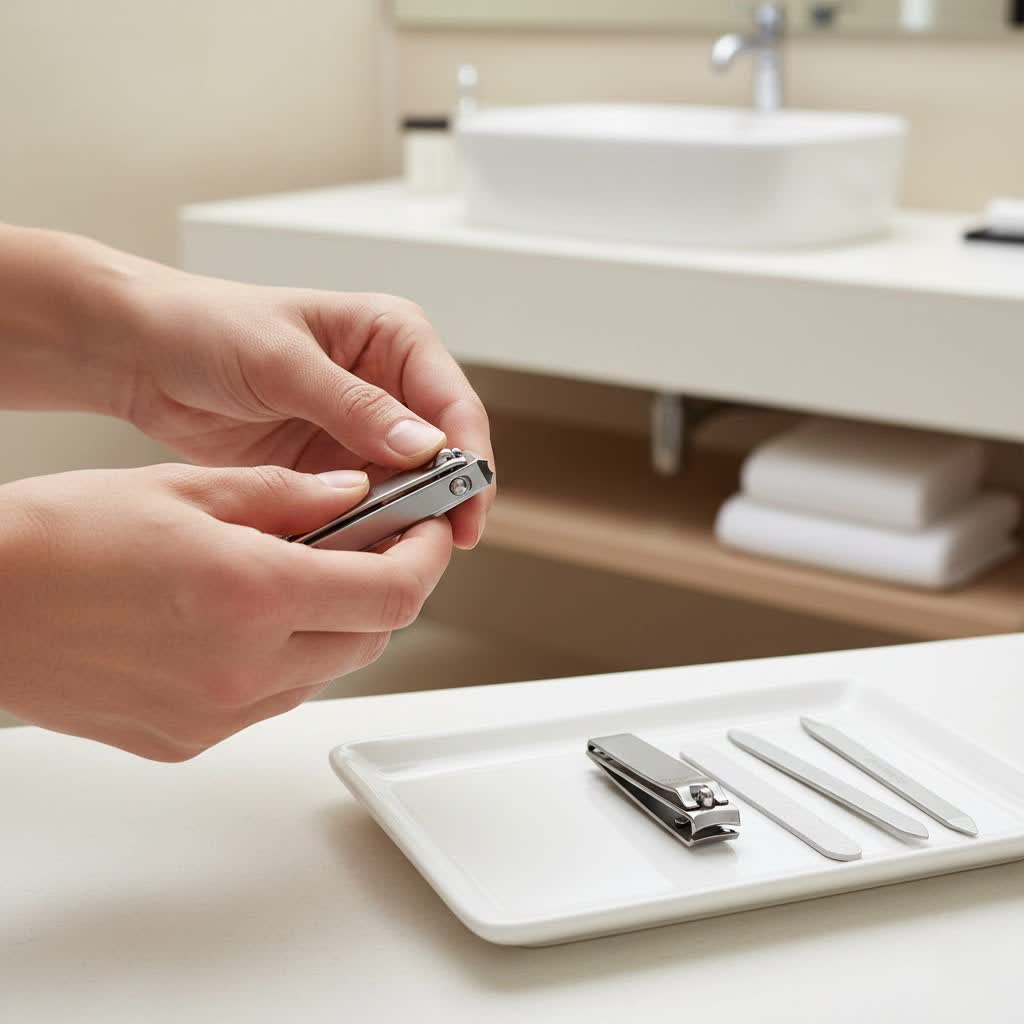
Have you ever experienced the frustration of a dull nail clipper that snags, bends, or even tears your nails? It’s a common dilemma that can leave you with jagged edges, potential discomfort, and an overall unsatisfactory grooming experience. Choosing the Sharpest Nail Clippers isn’t just about aesthetics; it’s about promoting healthier nails, preventing damage, and ensuring a precise, effortless trim every single time. In this comprehensive guide, we’ll delve into what truly makes a nail clipper superior, explore the different types available, and help you discover the perfect tool to achieve salon-quality results right at home. Say goodbye to subpar cuts and hello to perfectly manicured nails with the right sharp clippers in hand.
Overview of Nail Clippers
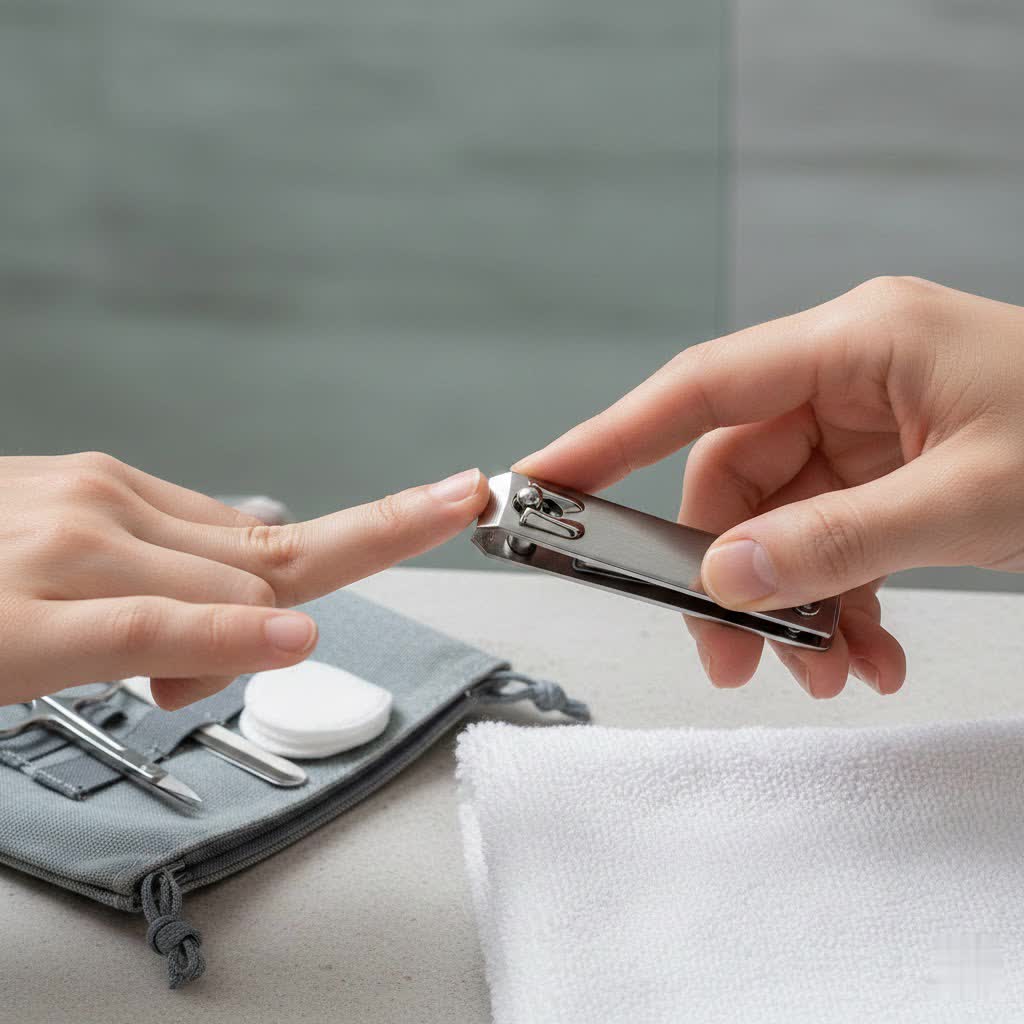
Nail clippers are fundamental grooming tools designed to trim and shape fingernails and toenails. While seemingly simple, their effectiveness hinges on precision engineering and quality materials. Historically, nail care involved more rudimentary tools, but modern advancements have brought forth highly specialized clippers crafted for comfort, durability, and, most importantly, unparalleled sharpness.
The primary function of any nail clipper is to provide a clean cut without causing trauma to the nail plate or surrounding skin. Poorly designed or dull clippers can lead to common issues such as splitting, ingrown nails, and infections. High-quality, sharp nail clippers, conversely, glide through nails effortlessly, leaving a smooth edge that requires minimal, if any, filing.
Understanding Sharpness: What Makes a Nail Clipper Superior?
The quest for the sharpest nail clippers boils down to several critical factors beyond just a keen edge. It’s a combination of material science, meticulous manufacturing, and thoughtful design that results in a truly superior cutting instrument.
Material Excellence
The foundation of a sharp, long-lasting nail clipper is its material. The consensus among nail care experts is that stainless steel is paramount. Surgical-grade stainless steel or high-carbon stainless steel are often cited as the gold standard due to their exceptional properties. These materials offer:
- Lasting Sharpness: They can be ground to a razor-sharp edge and maintain it through countless uses.
- Rust Resistance: Crucial for hygiene and longevity, preventing corrosion even with frequent exposure to moisture.
- Durability: Resisting bending or dulling under pressure, ensuring consistent performance on various nail thicknesses.
|
Our Picks for the Best Nail Clippers in 2026
We may earn a commission when you use one of our links to make a purchase.
|
||
| Num | Product | Action |
|---|---|---|
| 1 | Upgraded Toenail Clippers for Thick Toenails for Seniors, Angled Head Large Toe Nail Clippers Set for Men, Heavy Duty Ingrown Toenail Clippers Long Handled, Ultra Sharp Slanted Nail Cutter Wide Jaw |

|
| 2 | Toenail Clippers for Thick Toenails for Seniors, Angled Head Large Toe Nail Clippers for Thick Nails for Men, Heavy Duty Ingrown Toenail Clippers with Wide Jaw, Sharp Slanted Nail Cutter Black |
|
| 3 | Ultra Sharp Nail Clippers Set - 2 Pack Stainless Steel Fingernail & Toenail Trimmers with Built-in Nail File for Women & Seniors (Silver) |
|
| 4 | 4-in-1 Electric Nail Clipper with LED Light – Quiet Rechargeable Nail Grooming Kit, Grinder & Polisher, 2 Speed, Nail Debris Collector, Portable Gift Set |
|
| 5 | SZQHT Ultra Wide Jaw Opening Nail Clippers Set, Toenail Clippers for Thick Nails, Heavy Duty Nail Cutter, Stainless Steel Toe Nail Clippers for Seniors, Men & Women Manicure,Pedicure,Big(Black) |
|
| 6 | 2026 Upgraded 3-in-1 Electric Nail Clipper,Rechargeable Electric Nail File & Toenails, 6 Speeds with LED Light & Nail Debris Storage,Suitable for Children,Adults,Seniors to use Electric Nail Trimmer |
|
| 7 | HAWATOUR Nail Clippers Set, Ultra Sharp Sturdy Fingernail and Toenail Clipper Cutters with Visibly Tin Case, Black |
|
| 8 | Toenail Clippers for Seniors Thick Toenails, Aucurwen Heavy Duty Toe Nail Clippers Adult Thick Nails Long Handle, Large Toenail Clippers for Thick Nails 7Pcs |
|
| 9 | Nail Clipper Set,Premium Stainless Steel Fingernail and Toenail Clipper Cutters with Nail File, Sharp Effortless Nail Clippers Set for Men & Women(Silver) |
|
| 10 | HAWATOUR Nail Clippers Set, Ultra Sharp Sturdy Fingernail and Toenail Clipper Cutters with Visibly Tin Case, Silver |
|
Avoid clippers made from plated metals, as the plating can chip or peel, revealing inferior steel underneath that dulls quickly and may rust.
Precision Manufacturing and Craftsmanship
True sharpness is a result of a refined manufacturing process. Many of the top-rated sharpest nail clippers originate from Japan, a country renowned for its tradition of exquisite blade craftsmanship. This involves:
- Precision Grinding: Blades are meticulously ground, not just bent, to create a perfectly aligned cutting edge. This prevents the “smashing and tearing” action often seen with cheaper clippers.
- Rigorous Sharpening: Each blade undergoes a detailed sharpening process to achieve its ultimate keenness.
- Quality Control: High-end clippers are subject to stringent quality checks, ensuring blades are perfectly aligned with no gaps when closed. A simple test involves holding the closed clipper up to the light; no light should pass through the blades, and the tips should meet first, closing completely with light pressure.
Optimal Leverage and Ergonomics
Even the sharpest blades need the right support to perform effectively. The design of the clipper, particularly its lever mechanism and handle, plays a significant role in how effortlessly it cuts.
- Smooth Tension: A well-designed lever provides consistent, smooth force throughout the clipping motion, preventing uneven pressure that can lead to dents or tears.
- Ergonomic Grip: Comfortable, anti-slip handles or a broad palm rest reduce slippage and hand strain, allowing for greater control and precision, especially when dealing with thicker nails or limited hand strength.
- Increased Leverage: A longer or cleverly designed lever can amplify the force applied, making it easier to slice through tough nails without excessive effort.
> “The secret to a flawless manicure often lies in the quality of your tools. Investing in sharp, well-crafted clippers prevents unnecessary nail damage and promotes healthier growth.”
Types of Sharp Nail Clippers
Not all nail clippers are created equal, and choosing the right type depends on your specific nail care needs.
Standard (Lever-Type) Clippers
These are the most common style, identifiable by their hinged lever and two opposing blades.
- Curved Blade Clippers: Ideal for fingernails, as the curved edge allows you to follow the natural contour of your nail, resulting in a cleaner, rounded cut. They are typically smaller in size for precision on delicate nails.
- Straight Blade Clippers: Primarily designed for toenails. Toenails are generally thicker and have a squarer shape. Using a straight blade helps prevent ingrown toenails by encouraging a straight cut across the nail, avoiding clipping too deep into the corners. They are usually larger, providing more leverage for thicker nails.
Nipper-Style Clippers (Pliers)
Also known as nail nippers, these resemble small pliers and are built for heavy-duty tasks.
- Features: They have wider jaws and longer handles than traditional clippers, offering superior leverage. The blades are often angled or pointed for precise work.
- Best Use: Essential for extremely thick, hard, or fungal toenails that regular clippers struggle with. They offer greater control for tough jobs but require more care to avoid injury. Podiatrists often favor these for their robust performance.
Specialized Clippers
Beyond the standard types, some clippers offer unique features for specific users or concerns:
- Children’s Nail Clippers: Designed with safety in mind, often featuring smaller blades and ergonomic grips suitable for tiny, delicate nails.
- Swivel/Rotating Head Clippers: Beneficial for seniors or individuals with arthritis or limited hand mobility. The rotating head allows for comfortable clipping from various angles without awkward hand positioning.
- Electric Nail Clippers: While not “sharp” in the traditional sense, these devices use rotating abrasive surfaces to trim and file nails automatically. They are excellent for ease of use, safety, and for those with visual impairments or difficulty with manual dexterity, offering a smooth, mess-free experience.
Choosing the Sharpest Nail Clippers: A Buying Guide
Selecting the sharpest nail clippers involves careful consideration of several factors to ensure you invest in a tool that meets your needs and lasts for years.
Key Factors for Optimal Sharpness
- Material: Prioritize clippers made from high-grade stainless steel, ideally surgical or high-carbon stainless steel. These materials are less prone to dulling, resist rust, and allow for a truly sharp edge. Avoid plated options.
- Blade Edge & Alignment: Examine the blades closely. They should meet perfectly with no gaps or overlap when gently closed. The cutting edge should be precision-ground, not merely bent, indicating a cleaner, smoother cut.
- For fingernails, opt for a curved blade that follows the natural nail shape.
- For toenails, especially if you’re prone to ingrowns, a straight-edged blade is crucial for cutting straight across.
- Mechanism & Tension: Test the lever action. It should operate smoothly without excessive stiffness or looseness. A consistent, firm tension ensures even pressure and prevents the blades from bending or flexing during a cut, which can lead to tearing.
- Ergonomics & Grip: A comfortable, non-slip grip is vital for control and safety. Look for features like textured handles, a broad palm rest, or an ergonomic design that fits your hand well. This is particularly important for larger clippers or nippers, where leverage is key.
- Size: Choose a size appropriate for the nails you’re trimming. Smaller, curved clippers are for fingernails, while larger, often straight-edged clippers are for toenails. If you have particularly thick nails, consider a robust toenail clipper or a nipper-style tool.
Where to Buy High-Quality Clippers
While drugstore clippers are readily available, truly sharp and durable options are often found from specialized beauty supply stores, reputable online retailers, or brands known for their Japanese or German craftsmanship. Look for established brands with a history of producing high-quality grooming tools. Reading reviews from experienced users can also provide valuable insights into a clipper’s long-term sharpness and performance.
Maintaining Your Sharp Clippers
To extend the life and maintain the sharpness of your nail clippers:
- Clean Regularly: Wipe the blades with rubbing alcohol after each use to sanitize and remove nail debris.
- Dry Thoroughly: Ensure clippers are completely dry before storing to prevent rust, even if they are stainless steel.
- Store Properly: Keep them in a clean, dry place, ideally in a protective pouch or case to prevent damage to the blades. Avoid tossing them loosely in a drawer where they can get nicked or dulled.
Top Picks: Reviews of the Sharpest Nail Clippers
Based on expert recommendations and user satisfaction, several brands and models consistently stand out for their exceptional sharpness and performance.
Green Bell G-1008 Takuminowaza Nail Clipper
Hailing from Japan, the Green Bell G-1008 is often lauded as the “promised land” of nail clippers.
- Pros: Renowned for its “insanely sharp” curved clipping edge that slices through even thick nails with ease, preventing smashing and tearing. Crafted from high-quality stainless steel, it features a solid steel lever for consistent force and an ergonomic palm rest for comfort and control.
- Cons: Primarily a fingernail clipper, though some find the large size suitable for lighter toenails. Its premium quality comes at a higher price point than basic clippers.
- Why it’s sharp: Its roots in Japanese “takumi” (artisan’s skill) mean meticulous sharpening, assembly, and polishing, resulting in a cutting edge that minimizes splitting and damage.
Seki Edge SS-106 (Fingernail) & SS-112 (Toenail)
Seki Edge, another Japanese brand, consistently earns high marks for its precision.
- Pros (SS-106): Described as “small, sharp and easy to hold,” with perfectly aligned blades that make clipping an “enjoyable experience.” The flared handle provides excellent grip.
- Pros (SS-112): Specifically designed for toenails, this heavy-duty clipper for thick nails features curved, stainless steel blades that cut through tough nails “completely nonchalantly.” It also boasts an ergonomic grip.
- Why they’re sharp: Japanese steel workmanship ensures razor-sharp, perfectly aligned blades that leave a smooth finish.
Klhip Ultimate Clipper
This premium clipper offers a unique, ergonomic design.
- Pros: Features a forward-facing lever that applies direct pressure over the nail, offering superior control and leverage. Its precision-engineered blades ensure a “clean cut” with no need for filing and a unique design to catch clippings. Made from surgical-grade stainless steel (440C).
- Cons: Its unique design might take some getting used to; higher price point. Performance on very thick toenails may suffer compared to dedicated nippers.
- Why it’s sharp: Surgical-grade stainless steel and precision engineering result in blades that cut smoothly and accurately, minimizing effort and preventing splitting.
Harperton Klipit & Kohm Toenail Nippers
For those battling exceptionally thick or challenging nails, nipper-style clippers are indispensable.
- Harperton Klipit Set: Offers a great balance of value and performance, particularly noted for its toenail clippers with a thick lever and slight curve in the handle for better grip and leverage on tough nails.
- Kohm Toenail Nippers: Described as “durable, sharp and cut through hard, thick nails with ease.” The curved blade and narrow tip are excellent for precision in problem areas, and the ribbed metal handle provides an easy grip.
- Why they’re sharp: Built with robust stainless steel and designed with increased leverage, these nippers apply significant force with sharp, often angled blades to cleave through very thick or gnarled nails without crushing.
Comparison Table: Sharpness at a Glance
| Clipper Model | Material | Blade Type | Best For | Key Sharpness Feature |
|---|---|---|---|---|
| Green Bell G-1008 | High-Quality Stainless Steel | Curved | Fingernails, lighter toenails | Insanely sharp, precision-ground Japanese craftsmanship |
| Seki Edge SS-106 | Japanese Stainless Steel | Curved | All-round fingernails | Perfectly aligned, razor-sharp blades, smooth tension |
| Seki Edge SS-112 | Japanese Stainless Steel | Curved | Thick toenails | Heavy-duty, robust stainless steel for tough cuts |
| Klhip Ultimate Clipper | Surgical-Grade Stainless Steel | Straight/Slightly Curved | Fingernails, thin toenails | Precision-engineered, ergonomic leverage for clean cuts |
| Harperton Klipit Toenail Clipper | Stainless Steel | Curved | Thick nails, general use | Thick lever, good leverage, hand-sharpened blades |
| Kohm Toenail Nippers | Stainless Steel | Curved/Angled | Very thick/fungal toenails | Durable, sharp, narrow tip for precision in tough spots |
Conclusion
The pursuit of perfectly trimmed nails begins with the right tools, and the sharpest nail clippers are an investment in both hygiene and aesthetics. By understanding the critical role of high-quality materials, precision craftsmanship, and ergonomic design, you can make an informed choice that will transform your nail care routine. Ditch the dull, frustrating clippers that tear and snag, and embrace the clean, effortless cut that only a truly sharp tool can provide.
Ready to elevate your nail care? Explore our top picks and criteria to find the sharpest nail clippers that promise a flawless finish every time. What’s your biggest nail clipping challenge you hope a sharp new clipper can solve?
Câu Hỏi Thường Gặp
What material is best for the sharpest nail clippers?
High-grade stainless steel, particularly surgical-grade or high-carbon stainless steel, is recommended. These materials allow for extremely sharp blades that resist rust and maintain their edge over time, ensuring durability and a consistently clean cut.
Can sharp nail clippers help prevent ingrown toenails?
Yes, absolutely. Using sharp, straight-edged toenail clippers is crucial for preventing ingrown toenails. A straight cut across the nail minimizes the chance of the nail growing into the skin, which is a common issue when curved blades are used on toenails.
How often should I replace my nail clippers?
With proper care, high-quality stainless steel nail clippers can last many years, even a decade or more. However, if you notice the blades becoming dull, misaligned, or if they start tearing or bending your nails instead of cutting cleanly, it’s time for a replacement.
Are electric nail clippers considered “sharp”?
Electric nail clippers don’t have traditional sharp blades; instead, they use rotating abrasive surfaces to trim and file nails. While they don’t offer a “cut” in the conventional sense, they can provide a very smooth and even trim, making them excellent for ease of use, safety, and for individuals with specific dexterity challenges.
How can I tell if a nail clipper is truly sharp before buying?
Beyond checking the material, look for precise blade alignment where no light passes through when closed. The tension of the lever should feel smooth and consistent. While you can’t test a brand new clipper on your nails in-store, reputable brands often highlight their precision grinding and sharpening processes.