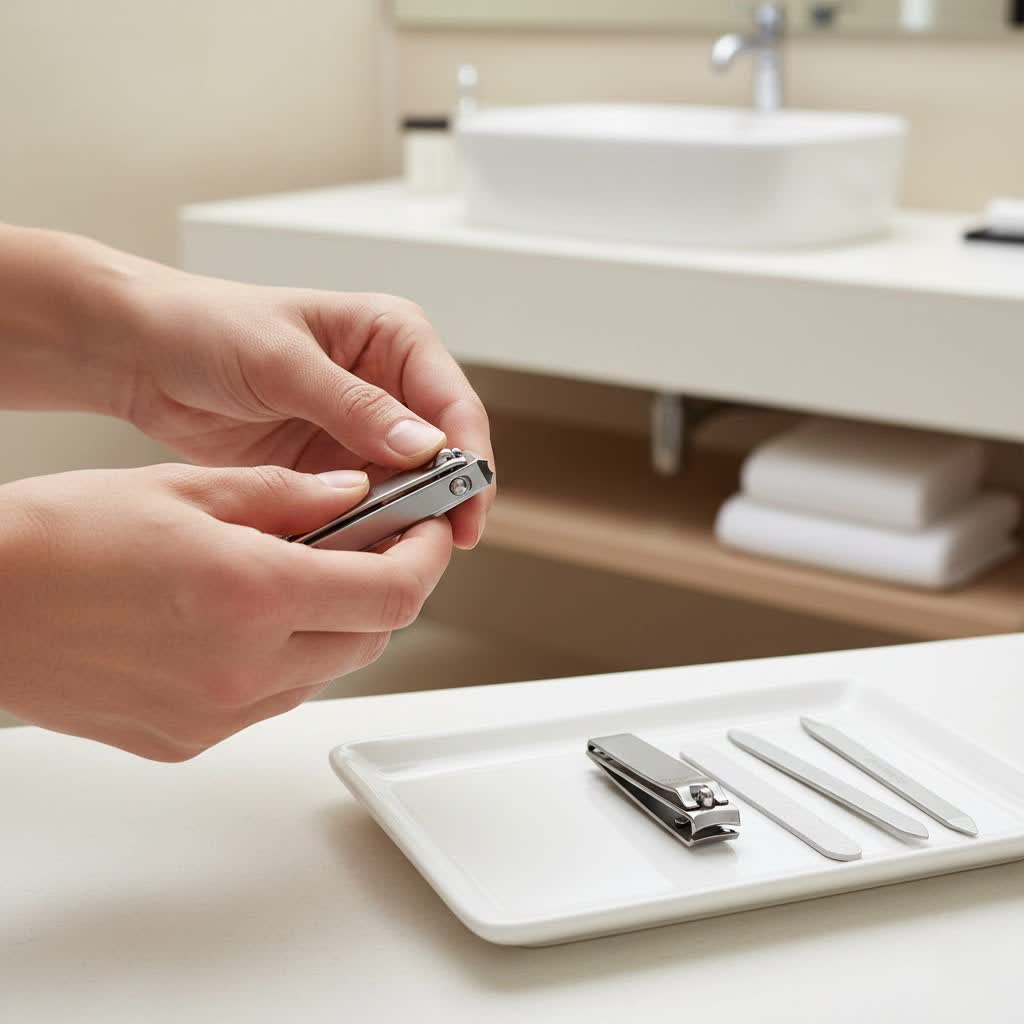
Have you ever experienced the frustration of a dull nail clipper that tears rather than cuts, leaving jagged edges and a sense of dissatisfaction? Choosing the right nail clippers is more than just a minor grooming decision; it’s about maintaining nail health, achieving a clean finish, and ensuring a comfortable experience. With countless options available, finding truly Good Nail Clippers can feel overwhelming. This comprehensive guide will navigate you through the world of nail care tools, helping you understand their evolution, various types, and essential features to consider, ensuring you pick the perfect pair for your needs.
An Overview of Nail Clippers
Nail clippers are indispensable hand tools designed for trimming fingernails and toenails. Their primary function is to shorten nails cleanly and safely, which is crucial for hygiene, preventing nail problems like ingrown nails, and maintaining a neat appearance. From simple designs to advanced ergonomic tools, these everyday essentials play a vital role in our personal care routines.
The concept of trimming nails dates back centuries, with early civilizations using rudimentary tools such as knives, stones, and even other sharp objects to manage their nail length. The journey from these primitive methods to the modern nail clipper we know today is a fascinating one, reflecting advancements in metallurgy and ergonomic design. The first recognizable patents for nail trimming devices emerged in the late 19th century, with inventors like Valentine Fogerty and Eugene Heim contributing to the development of lever-based mechanisms. These early innovations laid the groundwork for the compact, efficient steel clippers that gained widespread popularity in the early 20th century, making personal nail care accessible to everyone.
Today, the market offers several popular types of nail clippers, each designed with specific functionalities and user preferences in mind. Understanding these variations is the first step toward finding a tool that performs excellently and meets your unique requirements.
Popular Types of Nail Clippers
The world of nail clippers is more diverse than you might imagine, with different designs catering to various nail types and trimming needs. Let’s explore the most common varieties you’ll encounter.
Lever-Type Nail Clippers (Clipper)
The classic lever-type nail clipper is perhaps the most ubiquitous grooming tool found in homes worldwide. Characterized by its two blades that clamp together when a lever is pressed, this type is straightforward to use. Most fingernail clippers feature curved blades that follow the natural contour of the nail, providing a smooth, rounded cut. Larger versions often come with straight blades, which are typically recommended for toenails to help prevent ingrown issues.
Advantages:
- Ease of Use: Simple mechanism makes them intuitive for daily use.
- Portability: Compact design makes them easy to carry for on-the-go grooming.
- Affordability: Generally the most budget-friendly option.
- Integrated Features: Many models include a mini nail file or a nail catcher.
Disadvantages:
- Potential for Crushing: Lower quality clippers can sometimes crush the nail rather than cut it cleanly, leading to splits or damage.
- Less Control: The lever action can offer less precise control for very intricate cuts or dealing with problematic nails.
|
Our Picks for the Best Nail Clippers in 2026
We may earn a commission when you use one of our links to make a purchase.
|
||
| Num | Product | Action |
|---|---|---|
| 1 | Toenail Clippers for Seniors Thick Toenails, Aucurwen Heavy Duty Toe Nail Clippers Adult Thick Nails Long Handle, Large Toenail Clippers for Thick Nails 7Pcs |

|
| 2 | Ultra Sharp Nail Clippers Set - 2 Pack Stainless Steel Fingernail & Toenail Trimmers with Built-in Nail File for Women & Seniors (Silver) |
|
| 3 | 4-in-1 Electric Nail Clipper with LED Light – Quiet Rechargeable Nail Grooming Kit, Grinder & Polisher, 2 Speed, Nail Debris Collector, Portable Gift Set |
|
| 4 | SZQHT Ultra Wide Jaw Opening Nail Clippers Set, Toenail Clippers for Thick Nails, Heavy Duty Nail Cutter, Stainless Steel Toe Nail Clippers for Seniors, Men & Women Manicure,Pedicure,Big(Black) |
|
| 5 | HAWATOUR Nail Clippers Set, Ultra Sharp Sturdy Fingernail and Toenail Clipper Cutters with Visibly Tin Case, Silver |
|
| 6 | 2026 Upgraded 3-in-1 Electric Nail Clipper,Rechargeable Electric Nail File & Toenails, 6 Speeds with LED Light & Nail Debris Storage,Suitable for Children,Adults,Seniors to use Electric Nail Trimmer |
|
| 7 | Nail Clipper Set,Premium Stainless Steel Fingernail and Toenail Clipper Cutters with Nail File, Sharp Effortless Nail Clippers Set for Men & Women(Silver) |
|
| 8 | Upgraded Toenail Clippers for Thick Toenails for Seniors, Angled Head Large Toe Nail Clippers Set for Men, Heavy Duty Ingrown Toenail Clippers Long Handled, Ultra Sharp Slanted Nail Cutter Wide Jaw |
|
| 9 | HAWATOUR Nail Clippers Set, Ultra Sharp Sturdy Fingernail and Toenail Clipper Cutters with Visibly Tin Case, Black |
|
| 10 | Toenail Clippers for Thick Toenails for Seniors, Angled Head Large Toe Nail Clippers for Thick Nails for Men, Heavy Duty Ingrown Toenail Clippers with Wide Jaw, Sharp Slanted Nail Cutter Black |
|
Plier-Type Nail Clippers (Nippers)
Plier-type nail clippers, often referred to as nail nippers, resemble small pliers and are a favorite among professionals and individuals dealing with tougher nail conditions. They offer a strong, precise cut and are typically larger and more robust than lever-type clippers.
Advantages:
- Superior Leverage: Designed to cut through thick, hard nails with minimal effort.
- Precision: Allows for very controlled cutting, making them ideal for shaping and addressing specific issues.
- Ingrown Nail Care: Their pointed tips and strong blades are excellent for carefully managing ingrown toenails.
- Durability: Often made from high-grade stainless steel, ensuring long-lasting sharpness and performance.
Disadvantages:
- Bulkier: Less portable due to their size and design.
- Requires More Skill: The precision they offer demands a steadier hand and more careful approach to avoid injury.
- Higher Cost: Generally more expensive than standard lever-type clippers.
Nail Clippers for Children
Trimming a baby’s tiny, delicate nails can be a daunting task for many parents. Nail clippers designed for children prioritize safety and ease of use, making the process less stressful.
Characteristics:
- Smaller Size: Perfectly scaled for tiny fingers and toes.
- Rounded Tips/Edges: Designed to prevent accidental nicks and scratches to sensitive skin.
- Ergonomic Handles: Often feature larger, non-slip handles for adults to maintain a firm, controlled grip.
- Safety Features: Many include magnifying glasses or LED lights to enhance visibility, or a “spyhole” to show exactly where the blade will cut.
- Electric Trimmers: Gentle, quiet electric nail files are also a popular choice for babies, as they file down the nail rather than clipping, eliminating any risk of cutting.
Considerations: Look for clippers that offer a clear view of the nail, a comfortable grip, and gentle operation to ensure a calm experience for both parent and child.
Specialized Nail Clippers
Beyond general-purpose clippers, several specialized designs cater to unique nail care challenges.
- For Thick or Fungal Nails: These often fall into the plier-type category but are specifically reinforced with heavy-duty construction, extra-sharp surgical-grade stainless steel blades, and features like double-action leverage or barrel springs for maximum cutting power. They are essential for tough, brittle, or fungal-infected nails that standard clippers struggle with.
- For Ingrown Nails: Often nipper-style, these clippers feature fine, sharp, sometimes angled tips that allow for precise access to the edges and corners of the nail, helping to safely remove or trim ingrown sections. Straight-edged toenail clippers are also recommended to promote proper nail growth and prevent ingrown nails.
- For Toenails: Typically larger than fingernail clippers, toenail clippers often have straight blades to encourage a straight cut across the nail, minimizing the risk of ingrown nails. Some feature cutting heads perpendicular to the handle to improve accessibility for toenails.
Comparison Table: Understanding Nail Clippers
To help you visualize the differences, here’s a detailed comparison of common nail clipper types:
| Feature | Lever-Type Clipper (Compound Lever) | Plier-Type Clipper (Nipper) | Scissor-Type Clipper (for nails) | Electric Nail Trimmer (File) |
|---|---|---|---|---|
| Blade Design | Curved (fingernail) or Straight (toenail) | Straight or slightly curved, fine tips | Curved, blunt-ended for safety | Rotary filing pads |
| Ideal For | General fingernail/toenail trimming | Thick nails, ingrown nails, professional use | Baby nails, delicate nails, some ingrown nails | Babies, elderly, individuals with limited dexterity |
| Key Advantages | Common, portable, affordable, easy to use | High leverage, precise cuts, durable | Excellent control, gentle, easy to see the cut | No cutting risk, quiet, gentle, often with lights |
| Key Disadvantages | Can crush if dull, less precise for specific issues | Bulkier, requires practice, often pricier | Less power for thick nails, can be awkward for adults | Slower, requires batteries/charging, may not fully shorten very thick nails |
| Typical Material | Stainless steel, chrome-plated steel, plastic | High-grade stainless steel (surgical quality) | Stainless steel, plastic handles | Plastic body, various grit filing pads |
How to Choose the Right Nail Clippers (Buying Guide)
Selecting the right nail clippers can significantly elevate your nail care routine. Consider these critical factors before making your next purchase.
Essential Factors When Choosing Nail Clippers
-
Material Quality: The material directly impacts sharpness, durability, and hygiene.
- Stainless Steel: This is the most recommended material. Look for “high-carbon stainless steel” or “surgical-grade stainless steel” for optimal rust resistance, edge retention, and strength. Stainless steel clippers are easy to clean and sanitize, making them a hygienic choice.
- Carbon Steel: Can offer an incredibly sharp initial edge but is more prone to rust and corrosion if not meticulously maintained (dried and oiled after each use).
- Plated Steel or Aluminum: Often found in cheaper models. The plating can chip or peel, and the underlying metal may dull quickly or rust, leading to inefficient and potentially damaging cuts.
- Titanium: Offers excellent strength and corrosion resistance, similar to high-grade stainless steel, but can be more expensive and harder to sharpen when needed.
> “The material of your nail clippers isn’t just about shine; it’s about the longevity of the edge and your nail health.” – Dr. Emily R., Podiatrist
-
Sharpness and Durability of Blades: A truly good nail clipper cuts cleanly in one snip, preventing splits and jagged edges.
- Test for Sharpness: Visually inspect the blades for any imperfections. When lightly closed, there should be no visible gap between the blades, indicating precise alignment. A good test is to squeeze the clippers gently; the blades should meet perfectly without overlap or an “underbite.”
- Consistent Tension: The spring mechanism (for nippers) or lever (for clippers) should provide consistent, smooth tension that is neither too soft nor too stiff, allowing for controlled cuts.
- Built to Last: Durable construction means the clippers will withstand repeated use without losing their edge or structural integrity. Some premium brands test their clippers for hundreds of thousands of cuts.
-
Design and Ergonomics: A comfortable grip and appropriate size are paramount for effective and safe trimming.
- Hand Fit: Choose clippers that feel comfortable and secure in your hand. Larger handles can provide better leverage and control, especially for individuals with larger hands or limited dexterity.
- Blade Shape (Curved vs. Straight):
- Curved Blades: Best for fingernails, as they follow the natural curve of the fingertip, promoting a rounded look.
- Straight Blades: Recommended for toenails to help prevent ingrown nails by encouraging a straight cut across the nail, rather than curving into the nail bed.
- Added Features: Consider features like built-in nail files, nail catchers (to prevent clippings from flying), or swivel heads for easier access to different angles. For children’s clippers, magnifiers and LED lights are highly beneficial.
-
Reputable Brand: While specific brand names are often subjective, prioritizing brands known for quality manufacturing and customer satisfaction can ensure a better product. Researching reviews and product tests can reveal which brands consistently deliver on sharpness, durability, and user experience.
-
Price and Value: Quality nail clippers are an investment. While you don’t need the most expensive option, be wary of extremely cheap tools, which often compromise on material and blade quality. A moderately priced, well-made clipper will outperform and outlast many cheaper alternatives.
Where to Purchase Quality Nail Clippers
You can find nail clippers at various retailers, but for truly high-quality options, consider:
- Specialty Beauty Stores: These often stock professional-grade tools.
- Online Retailers: Offer a vast selection, but scrutinize seller reviews to avoid counterfeit products.
- Medical Supply Stores: Especially for specialized clippers for thick or problematic nails, these stores carry podiatrist-approved tools.
- Direct from Manufacturers: Some premium brands sell directly from their websites, ensuring authenticity.
Maintaining Your Nail Clippers
Proper maintenance extends the lifespan and effectiveness of your nail clippers:
- Clean After Each Use: Wipe the blades with an alcohol swab or sanitizing wipe to remove nail debris and prevent bacterial growth.
- Dry Thoroughly: Moisture is the enemy of metal. Ensure your clippers are completely dry before storing them to prevent rust, especially for carbon steel models.
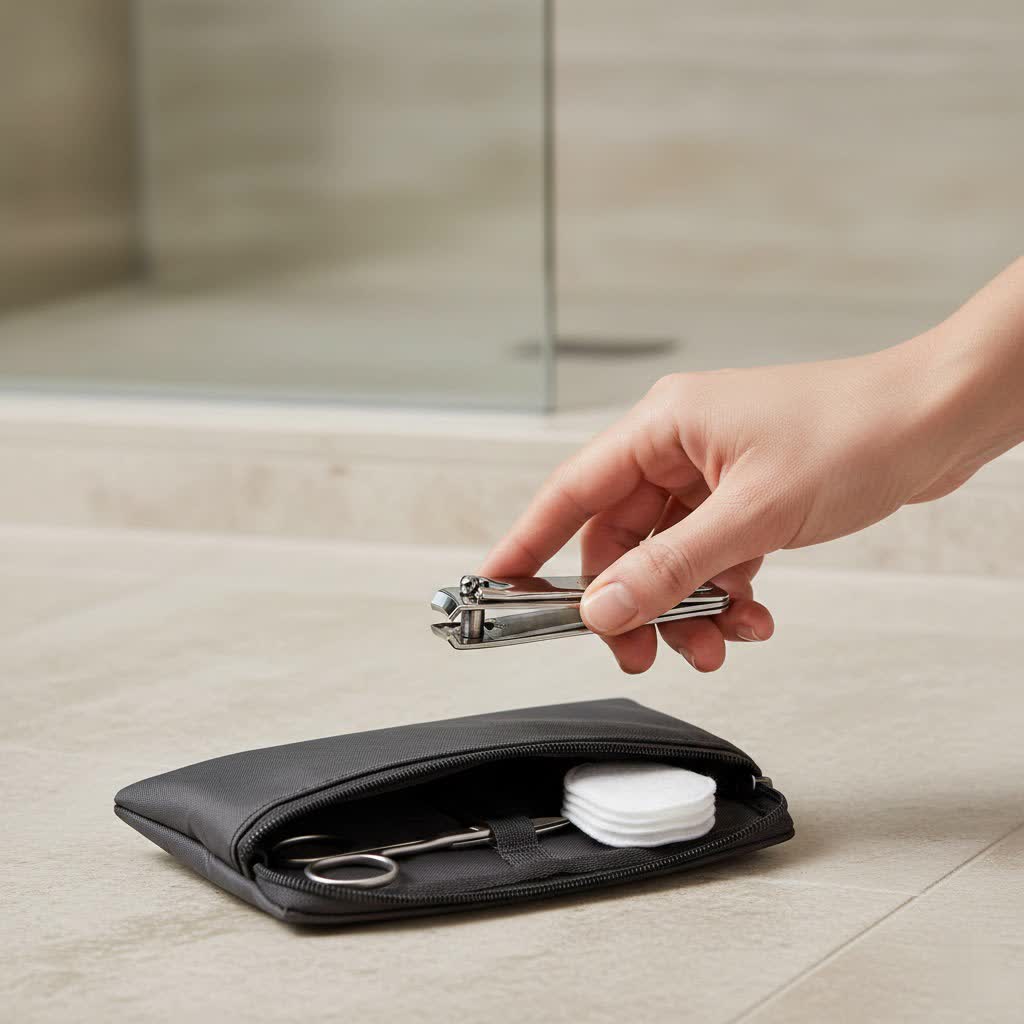
- Store Properly: Keep clippers in a dry environment, ideally in a protective pouch or case, to prevent damage to the blades and keep them clean.
Top Picks – Discovering the Best Nail Clippers Today
Navigating the multitude of nail clippers can be challenging, but certain designs and features consistently stand out for their superior performance and user experience. Here are a few archetypes representing the best options available, focusing on their key characteristics rather than specific brand names.
The Precision Lever-Action Clipper
This type of clipper is a cut above standard drugstore offerings, designed for those who value flawless fingernail trimming. It typically features high-grade, perhaps even Japanese, stainless steel that boasts exceptional sharpness and edge retention. The blades are meticulously aligned, allowing for a perfectly clean, effortless cut that prevents splitting or tearing. Its ergonomic handle is often slightly larger than average, providing a comfortable, non-slip grip that enhances control. Many premium models integrate a discreet yet effective nail catcher and a fine-grain file, ensuring a complete grooming experience in a compact form. This clipper is ideal for daily maintenance, delivering professional-level results at home.
The Heavy-Duty Power Nipper
For individuals struggling with particularly thick, hard, or fungal-infected toenails, a robust nipper-style clipper is essential. These tools are engineered with substantial leverage, often featuring a barrel-spring mechanism that provides amplified cutting power with minimal hand strain. The blades are typically made from surgical-grade stainless steel, precisely ground to slice through even the toughest nails without crushing them. Its strong, straight-edged jaws are specifically designed for toenails, promoting healthy growth and helping prevent ingrown issues. The handles are usually textured and oversized, ensuring a secure, comfortable grip even when tackling challenging nail conditions. Many podiatrists recommend and use this caliber of tool for its reliability and efficiency.
The Gentle & Safe Baby Nail Trimmer
New parents often find trimming their baby’s tiny, delicate nails nerve-wracking. The best baby nail trimmers prioritize safety, gentleness, and ease of use. These innovative tools often come in the form of quiet electric nail files, which gently buff down sharp edges without any risk of cutting skin. They typically feature multiple cushioned filing heads suitable for different age ranges, from newborns to toddlers. Enhanced visibility is a common feature, with integrated LED lights illuminating the nail area and sometimes even magnifying lenses. The design is ergonomic, ensuring a comfortable and secure grip for the adult, making nail care a calm and stress-free routine for both parent and baby.
The Ergonomic Angled Clipper
Designed for maximum accessibility and control, this type of clipper often features an angled head or a swiveling blade, making it exceptionally easy to reach and trim toenails, especially for those with reduced flexibility or dexterity. The design minimizes awkward wrist positions, allowing for a more natural and comfortable approach to nail care. Crafted from durable stainless steel, its sharp, fine blades ensure precise cuts, particularly useful for navigating around the nail bed and addressing early signs of ingrown nails or hangnails. The robust construction and thoughtful ergonomic details make it a favorite for seniors and anyone seeking an easier, more controlled clipping experience.
Conclusion
Choosing the right nail clippers can profoundly impact your nail health and overall grooming satisfaction. By understanding the distinct characteristics of various types—from the common lever-action to specialized nippers and gentle baby trimmers—you can make an informed decision. Prioritizing factors like high-quality materials, exceptional sharpness, ergonomic design, and durability will ensure you invest in a tool that performs reliably and lasts for years. A good nail clipper isn’t just an accessory; it’s a foundational element of effective personal care. Take the time to select the perfect pair, and you’ll discover that a truly effortless trim can make all the difference. What aspects of nail care do you find most challenging, and how might a superior nail clipper address them?
Câu Hỏi Thường Gặp
How often should I replace my nail clippers?
The lifespan of nail clippers varies greatly depending on their quality, material, and how frequently they are used and maintained. High-quality stainless steel clippers, especially those from reputable brands, can last for many years, even decades, with proper care. However, if your clippers start to feel dull, tear your nails, or show signs of rust or misalignment, it’s time to replace them to prevent nail damage and ensure hygiene.
Can I use fingernail clippers on toenails?
While it might seem convenient, using fingernail clippers on toenails is generally not recommended. Fingernail clippers are typically smaller and have curved blades, which are ideal for the rounded shape of fingernails. Toenails are often thicker and benefit from larger clippers with straight blades to prevent ingrown toenails and provide the necessary leverage for a clean cut. Using the wrong tool can lead to discomfort or nail issues.
What’s the best way to clean nail clippers?
To maintain hygiene and prolong the life of your nail clippers, it’s best to clean them after each use. Wipe the blades thoroughly with an alcohol swab or cotton ball soaked in rubbing alcohol. This helps to sanitize the blades and remove any nail debris. For a deeper clean, you can use a small brush to clear out residue. Always ensure your clippers are completely dry before storing them to prevent rust, especially if they are not made of rust-resistant stainless steel.
Are electric nail trimmers worth it?
Electric nail trimmers, often designed for babies or individuals with limited dexterity, can be a valuable tool. They file down the nail rather than cutting it, eliminating the risk of accidental nicks or cuts. Many models are quiet, gentle, and include features like LED lights for better visibility. While they may take a bit longer than manual clippers, their safety and ease of use make them an excellent investment for specific user groups who prioritize a gentler approach to nail care.
What’s the difference between curved and straight blades on nail clippers?
The primary difference lies in their intended use. Curved blades are designed for fingernails, mimicking the natural curve of your fingertips for a rounded, aesthetic trim. Straight blades, on the other hand, are typically found on toenail clippers. They promote a straight cut across the top of the toenail, which is crucial for preventing the corners of the nail from growing into the surrounding skin, thus reducing the risk of painful ingrown toenails.
Why do some nail clippers cost so much more than others?
The price difference in nail clippers often reflects the quality of materials, precision engineering, and brand reputation. Higher-priced clippers are typically made from premium materials like high-carbon surgical-grade stainless steel, which offers superior sharpness, durability, and rust resistance. They also often feature ergonomic designs, advanced leverage mechanisms, and meticulous craftsmanship, leading to a tool that provides consistently clean cuts and a comfortable, long-lasting experience, justifying the higher investment.
How do I prevent ingrown nails when clipping?
To prevent ingrown nails, especially on your toes, always clip your nails straight across, avoiding rounding the corners. Do not cut your nails too short, leaving a small white edge. Use clean, sharp clippers, ideally a plier-type or a straight-bladed toenail clipper, to ensure a clean cut without tearing. If you have thick nails, trim them after a shower when they are softer. Regularly inspecting your nails and maintaining proper cutting technique are key.