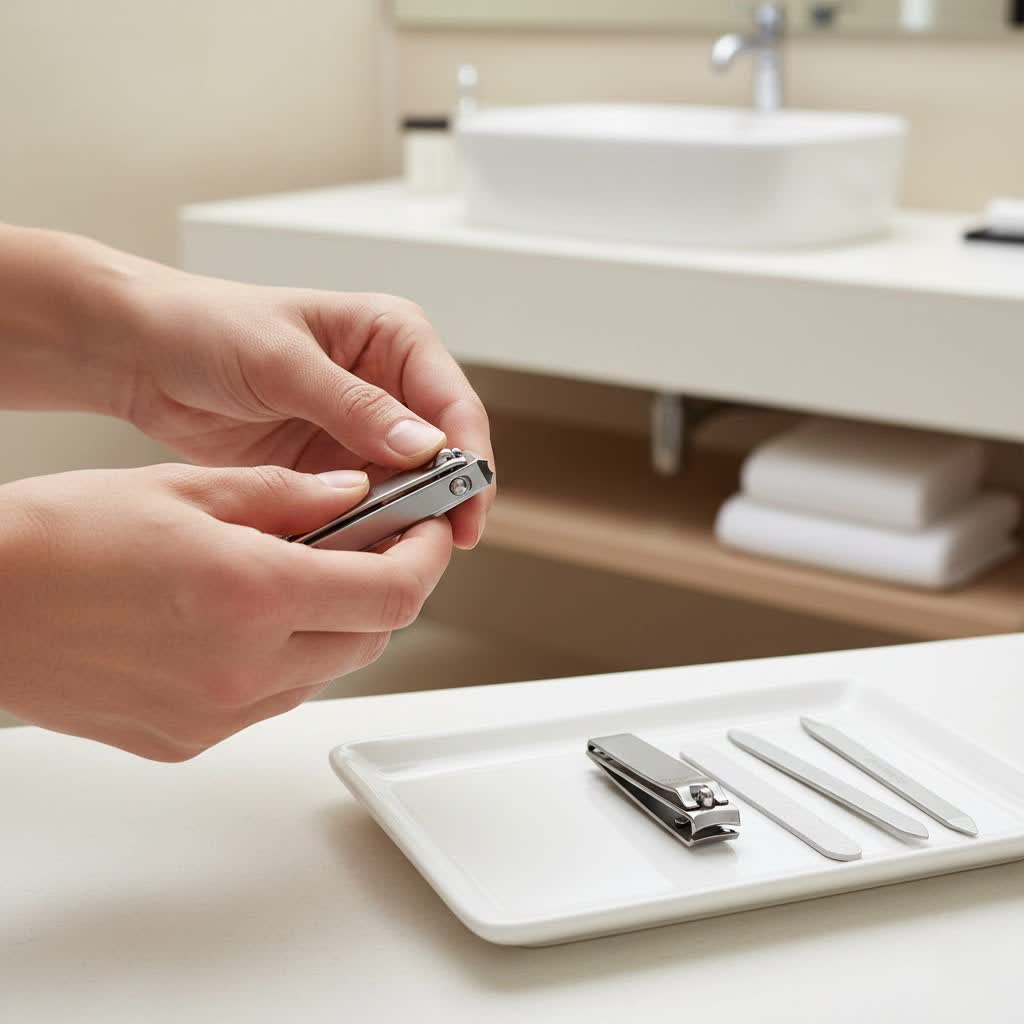
Have you ever experienced the frustration of a dull nail clipper, leaving you with jagged edges and potential snags? It’s a common annoyance, yet selecting the right tool for nail care often gets overlooked. Just like a skilled artisan needs the perfect tools for their craft, achieving impeccably groomed nails demands clippers that offer precision, durability, and comfort. Investing in Better Nail Clippers isn’t just about aesthetics; it’s about maintaining nail health, preventing common issues like splitting or ingrown nails, and elevating your entire grooming routine. This comprehensive guide will navigate you through the world of nail clippers, helping you understand their types, materials, and essential features so you can make an informed choice for superior nail care.
An Overview of Nail Clippers
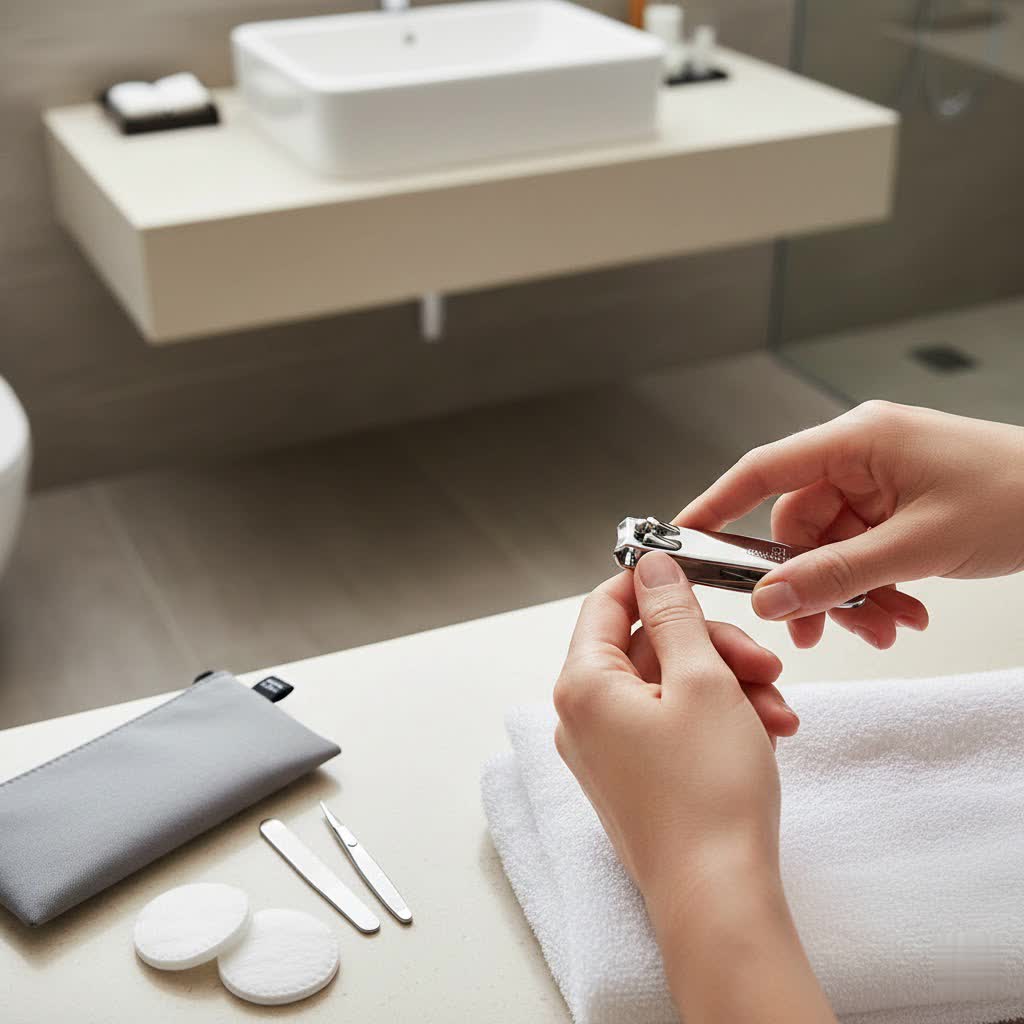
Nail clippers are indispensable hand tools designed to trim and shape your fingernails and toenails. While seemingly simple, their evolution and variety are quite fascinating.
The concept of nail trimming is ancient, with references dating back to the 8th century BC, where people likely used small knives or specialized tools to maintain their nails. Roman artifacts from the 3rd and 4th centuries AD include bronze nail cutters, hinting at early dedicated tools. The modern compound-lever nail clipper, familiar to most today, emerged in the late 19th and early 20th centuries, simplifying the process and making precise trimming accessible.
Today, the market offers a diverse range of nail clippers, each designed to cater to specific needs and preferences. From traditional lever-type models to specialized nippers and innovative electric options, understanding these varieties is the first step toward finding your ideal grooming companion.
Popular Types of Nail Clippers
The world of nail clippers extends far beyond the basic model you might picture. Each type offers distinct advantages for different nail care requirements.
Lever-Type Nail Clippers (Clippers)
|
Our Picks for the Best Nail Clippers in 2026
We may earn a commission when you use one of our links to make a purchase.
|
||
| Num | Product | Action |
|---|---|---|
| 1 | 4-in-1 Electric Nail Clipper with LED Light – Quiet Rechargeable Nail Grooming Kit, Grinder & Polisher, 2 Speed, Nail Debris Collector, Portable Gift Set |

|
| 2 | SZQHT Ultra Wide Jaw Opening Nail Clippers Set, Toenail Clippers for Thick Nails, Heavy Duty Nail Cutter, Stainless Steel Toe Nail Clippers for Seniors, Men & Women Manicure,Pedicure,Big(Black) |
|
| 3 | Toenail Clippers for Seniors Thick Toenails, Aucurwen Heavy Duty Toe Nail Clippers Adult Thick Nails Long Handle, Large Toenail Clippers for Thick Nails 7Pcs |
|
| 4 | Upgraded Toenail Clippers for Thick Toenails for Seniors, Angled Head Large Toe Nail Clippers Set for Men, Heavy Duty Ingrown Toenail Clippers Long Handled, Ultra Sharp Slanted Nail Cutter Wide Jaw |
|
| 5 | HAWATOUR Nail Clippers Set, Ultra Sharp Sturdy Fingernail and Toenail Clipper Cutters with Visibly Tin Case, Black |
|
| 6 | Nail Clipper Set,Premium Stainless Steel Fingernail and Toenail Clipper Cutters with Nail File, Sharp Effortless Nail Clippers Set for Men & Women(Silver) |
|
| 7 | 2026 Upgraded 3-in-1 Electric Nail Clipper,Rechargeable Electric Nail File & Toenails, 6 Speeds with LED Light & Nail Debris Storage,Suitable for Children,Adults,Seniors to use Electric Nail Trimmer |
|
| 8 | HAWATOUR Nail Clippers Set, Ultra Sharp Sturdy Fingernail and Toenail Clipper Cutters with Visibly Tin Case, Silver |
|
| 9 | Toenail Clippers for Thick Toenails for Seniors, Angled Head Large Toe Nail Clippers for Thick Nails for Men, Heavy Duty Ingrown Toenail Clippers with Wide Jaw, Sharp Slanted Nail Cutter Black |
|
| 10 | Ultra Sharp Nail Clippers Set - 2 Pack Stainless Steel Fingernail & Toenail Trimmers with Built-in Nail File for Women & Seniors (Silver) |
|
The most ubiquitous type, lever-type nail clippers, are characterized by their simple design: two blades joined by a pivot, operated by a lever. These are the go-to for daily nail maintenance. They come with either curved or straight blades. Curved blades are typically recommended for fingernails, as they follow the natural contour of the nail for a clean finish. Straight blades, conversely, are best for toenails to help prevent ingrown nails by allowing you to trim straight across. While versatile and portable, they may require more manual effort, especially for thicker nails.
Plier-Type Nail Clippers (Nippers)
Also known as nail nippers, these clippers resemble small pliers or scissors, offering enhanced control and precision. With their robust construction and sharp, often hand-finished blades, nippers are particularly effective for tackling tough, thick nails or addressing ingrown nails. Their design provides greater leverage, making them a favorite among professionals and individuals with challenging nail conditions. However, they do require more dexterity and hand strength compared to lever-type clippers.
Nail Clippers for Children
Clipping a child’s delicate nails can be daunting. Nail clippers designed for children prioritize safety and ease of use. These often feature smaller blades, rounded tips, and ergonomic handles for a secure grip, minimizing the risk of nicks and cuts. Scissor-style clippers or electric trimmers are also popular choices for infants and toddlers due to their gentle action and improved control.
Specialty Nail Clippers
Beyond the general-purpose tools, several specialty clippers cater to unique nail care demands:
- For Thick Nails: Many lever-type and plier-type clippers are specifically engineered for thick nails, featuring stronger construction and wider jaw openings to handle challenging textures without crushing the nail.
- For Toenails: These are generally larger and sturdier than fingernail clippers, often with straight blades to promote healthy toenail growth and prevent ingrown issues.
- Electric Nail Clippers: For those with limited hand dexterity, arthritis, or simply seeking convenience, electric nail clippers are an excellent solution. These battery-powered devices often include rotating blades or grinding mechanisms, along with features like built-in lights and nail shaving collectors for a mess-free experience.
Comparing Different Nail Clippers
Choosing the right nail clipper involves weighing the features and benefits of each type against your personal needs. Here’s a comparison to help illustrate the differences:
| Feature | Lever-Type (Clipper) | Plier-Type (Nipper) | Scissor-Style | Electric |
|---|---|---|---|---|
| Blade Shape | Curved (fingernails), Straight (toenails) | Curved, often fine-pointed | Curved or straight | Rotating abrasive/blade |
| Material | Stainless steel, carbon steel, zinc alloy | High-grade stainless steel, surgical steel | Stainless steel | ABS plastic, metal blades |
| Durability | Good, varies by material quality | Excellent, especially high-grade steel | Good | Varies, depends on motor and build quality |
| Sharpness | Good, sufficient for most nails | Very high, precise cuts | High precision | Consistent trimming/grinding |
| Ergonomics | Compact, standard grip | Scissor-like handles, greater leverage | Comfortable, precise control | Often ergonomic for easy holding |
| Target User | General use, travel, everyday maintenance | Thick nails, ingrown nails, professional use | Children, delicate nails, limited hand strength | Seniors, limited dexterity, convenience-seekers |
| Pros | Simple, widely available, portable, affordable | High precision, powerful for tough nails, durable | Excellent control, gentle, good for fine work | Effortless, mess-free (with collector), gentle |
| Cons | Less leverage for very thick nails, quality varies | Requires more hand strength/dexterity, can be bulky | Less powerful for very thick nails | Can be noisy, battery dependence, less “feel” |
| Price Range | Low to Moderate | Moderate to High | Low to Moderate | Moderate to High |
Your Guide to Choosing Better Nail Clippers
Selecting the best nail clippers involves considering several critical factors to ensure you get a tool that meets your specific grooming demands and lasts for years to come.
Key Factors to Consider When Selecting Nail Clippers
- Material: The material of your nail clippers significantly impacts their performance and longevity. Stainless steel is highly recommended due to its excellent durability, resistance to rust and corrosion, and ease of cleaning. For the highest quality, look for surgical or medical-grade stainless steel. While carbon steel offers exceptional sharpness, it is more prone to rust and requires diligent maintenance. Avoid cheap plastic clippers, as their blades often dull quickly and the tool may break easily.
- Blade Sharpness and Durability: Sharp blades are paramount for clean, precise cuts, preventing nails from splitting, tearing, or crushing. High-quality clippers use hardened steel that retains its edge over many uses. You should always look for clippers that show no gap between the blades when closed and have perfectly aligned jaws for a smooth cut.
- Design and Ergonomics: A comfortable and secure grip is essential for control and precision. Look for designs that fit well in your hand, perhaps with rubberized handles for enhanced grip. Consider the blade type: curved blades are generally best for fingernails, following their natural curve, while straight blades are preferred for toenails to prevent ingrown issues. The size of the clipper also matters; smaller clippers offer more precision for fingernails, while larger ones provide better leverage for tougher toenails.
- Reputable Brands: While brand names alone don’t guarantee quality, established manufacturers with a reputation for producing high-quality grooming tools are often a safer bet. Brands like Seki Edge, Green Bell, and specific lines from Tweezerman have often been cited for their superior craftsmanship and performance. However, always check recent reviews, as quality can vary even within well-known brands.
- Price: While you don’t need to break the bank, investing a bit more in high-quality nail clippers often pays off in the long run. Cheaper models tend to dull quickly, leading to frustrating and potentially damaging cuts, and require frequent replacement. A durable, sharp clipper will perform better and last longer.
Where to Purchase Quality Nail Clippers
You can find quality nail clippers at various retailers. Online marketplaces like Amazon offer a vast selection with customer reviews to guide your choice. Specialty beauty supply stores or surgical supply stores often carry professional-grade nippers. When shopping, prioritize stores that clearly list material specifications and allow for easy returns if the product doesn’t meet expectations.
How to Maintain Your Nail Clippers for Longevity
Proper maintenance ensures your nail clippers remain sharp, hygienic, and functional for years.
- Clean Regularly: After each use, wipe the blades with an alcohol wipe or rinse them under hot water to remove nail debris and bacteria. Ensure they are thoroughly dried afterward to prevent rust.
- Lubricate (if applicable): For some plier-type nippers, a tiny drop of oil on the pivot point can keep the mechanism smooth.
- Store Properly: Keep your clippers in a dry place, ideally in a protective case, to prevent damage and contamination.
- Trim Soft Nails: For easier cutting and to extend the life of your blades, trim your nails after a shower or bath when they are softer.
“The difference between a mediocre nail trim and a perfectly polished one often comes down to the quality of your tools. Investing in sharp, well-designed clippers is a small change that yields significant results for nail health and appearance.”
Top Picks – Reviews of the Best Nail Clippers Today
While specific product availability and ratings can fluctuate, several types and brands consistently receive praise for their superior performance and durability, embodying what it means to have “better nail clippers.” Here are some characteristics of top-performing clippers you should seek out:
- Japanese-Made Precision: Clippers from Japan, like those by Seki Edge and Kai, are frequently lauded for their exceptional sharpness and precise cutting ability. These often feature high-carbon stainless steel that provides a razor-sharp edge, allowing for smooth, clean cuts without tearing the nail.
- Key Qualities: Outstanding sharpness, durability, clean cuts, often ergonomic designs.
- Ergonomic Powerhouses: Brands focusing on ergonomic design, such as Green Bell’s G-1008, are popular for their comfortable grip and leverage, making them ideal for individuals who need extra control or have thicker nails. These designs reduce strain and allow for powerful yet controlled trimming.
- Key Qualities: Comfortable handling, high leverage, excellent for thick nails, robust construction.
- High-Carbon Stainless Steel Blends: Clippers utilizing high-carbon stainless steel, like certain Nagalo Inox models, offer a fantastic balance between the superior sharpness of carbon steel and the rust-resistant properties of stainless steel. This blend ensures a long-lasting, effective cutting edge.
- Key Qualities: Exceptional sharpness, good rust resistance, durable construction, reliable performance.
- Professional-Grade Nippers: For those requiring ultimate precision and strength, professional-grade nippers, often made from surgical stainless steel, are unparalleled. These are designed to handle the toughest nails and intricate detail work, favored by nail technicians for their longevity and performance.
- Key Qualities: Extreme precision, powerful cutting action, long-lasting sharpness, often sterilizable.
When considering a purchase, look for clippers that consistently demonstrate these attributes in user reviews and professional recommendations. Remember, the “best” clipper is ultimately one that perfectly suits your individual nail type and personal comfort.
Conclusion
Choosing better nail clippers is a fundamental step towards achieving optimal nail health and a polished appearance. From understanding the distinct functionalities of lever-type clippers and precise nippers to prioritizing premium materials like surgical-grade stainless steel, your decision impacts the efficacy and safety of your grooming routine. By considering factors like blade sharpness, ergonomic design, and proper maintenance, you empower yourself to make a choice that brings lasting value. Don’t settle for tools that compromise your nail health; instead, invest in quality clippers that transform a mundane task into a satisfying act of self-care. Which type of nail clipper will make the most significant difference in your grooming regimen?
Câu Hỏi Thường Gặp
How often should I trim my nails?
The frequency of nail trimming depends on individual growth rates, but typically, fingernails benefit from trimming every 1-2 weeks. Toenails, which grow slower, usually require attention every 2-4 weeks to maintain a healthy length and prevent issues.
What’s the difference between fingernail and toenail clippers?
Fingernail clippers are generally smaller with curved blades to match the natural curve of fingernails. Toenail clippers are larger and sturdier, often featuring straight blades to help prevent ingrown toenails by encouraging a straight-across cut.
Why do some nail clippers have a hole?
The small hole often found on nail clippers serves several purposes: it allows for easy hanging and storage, helps clean debris from the blades with a quick rinse, and can even provide leverage for cutting thin materials like string in an emergency.
Can I sharpen my nail clippers?
While specialized sharpening services exist for high-end clippers and nippers, most standard nail clippers are not designed for home sharpening. Investing in high-quality clippers made from durable steel that retains its edge is usually more practical than attempting to sharpen a dull pair.
What material is best for nail clippers?
High-quality stainless steel, especially surgical-grade, is widely considered the best material for nail clippers due to its exceptional durability, resistance to rust and corrosion, and ability to maintain a sharp cutting edge over time, ensuring precise and clean cuts.