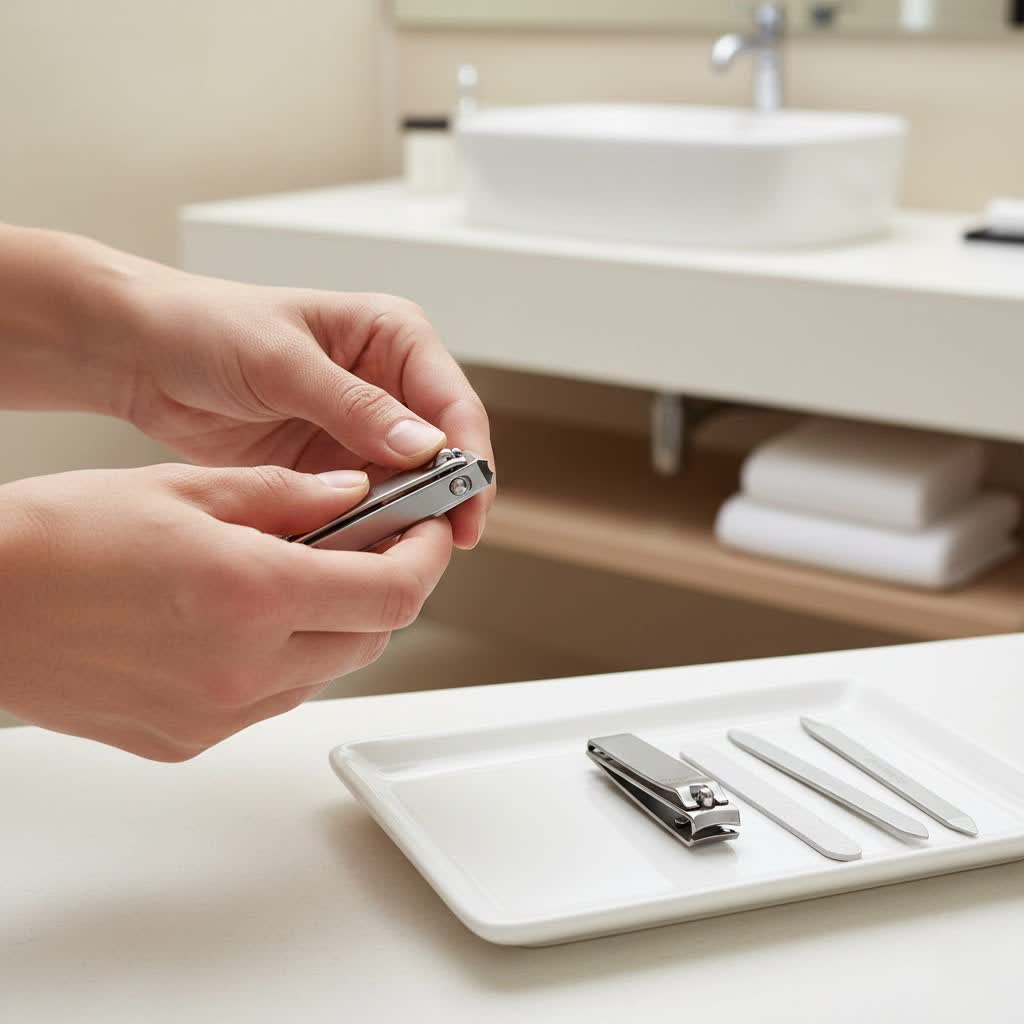
Are you tired of struggling with flimsy, dull nail clippers that leave your nails jagged, splintered, and your grooming routine a chore? Many of us have experienced the frustration of substandard nail tools, leading to uneven cuts, painful hangnails, and ultimately, damaged nail health. But what if there was a solution that promised unparalleled precision, enduring sharpness, and robust durability? Enter German Nail Clippers – a testament to superior engineering and centuries-old craftsmanship, designed to transform your nail care experience.
For decades, German-made nail clippers have earned a global reputation for their exceptional quality. Crafted with meticulous attention to detail and often hailing from the legendary city of Solingen, these instruments are more than just tools; they are an investment in the health and appearance of your nails. In this comprehensive guide, we’ll dive deep into the world of German nail clippers, exploring their history, distinct types, critical buying factors, and showcasing some of the best options available today. Prepare to discover the difference true quality can make.
Overview of Nail Clippers
Nail clippers are ubiquitous personal grooming tools designed to trim fingernails and toenails. While seemingly simple, their effectiveness hinges on blade sharpness, material quality, and ergonomic design. Historically, nail care was a far cry from the precise methods we employ today. Before the 1800s, people primarily used small knives or specialized paring tools to manage their nails, a technique closer to peeling than actual clipping.
The concept of a dedicated nail clipper began to emerge in the late 19th century. Early patents, such as the clamp-style fingernail clippers by Eugene Heim and Oelestin Matz in 1881, laid the groundwork for the familiar designs we use today. These innovations quickly made nail clippers a common household item. Over time, designs evolved, incorporating better materials and mechanisms, leading to the diverse range of clippers available in the market now. This evolution culminated in specialized tools that cater to various nail types and personal preferences, with German craftsmanship consistently at the forefront of quality and innovation.
Popular Types of Nail Clippers
Choosing the right nail clipper is crucial for effective and safe nail care. Different designs are optimized for specific tasks and nail conditions. Understanding these distinctions will help you make an informed choice, especially when seeking the superior quality of German-made instruments.
Lever-Type Nail Clippers (Clipper)
The most common form, lever-type nail clippers feature two blades that pivot against each other when a lever is pressed. They are typically compact and easy to operate with one hand.
- Advantages:
- Convenience: Widely available, user-friendly, and portable.
- Compact Design: Ideal for travel or slipping into a toiletry bag.
- Versatility: Suitable for routine trimming of both fingernails and average toenails.
- Disadvantages:
- Limited Leverage: May struggle with extremely thick or tough nails, requiring more force.
- Precision: While good, may not offer the same intricate control as nippers for detailed work.
- Usage: Best for everyday nail maintenance. Their straightforward design makes them a staple in most households for quick and clean trims. Many high-quality German lever-type clippers are made from robust stainless steel, offering a clean cut and excellent durability.
|
Our Picks for the Best Nail Clippers in 2026
We may earn a commission when you use one of our links to make a purchase.
|
||
| Num | Product | Action |
|---|---|---|
| 1 | Toenail Clippers for Seniors Thick Toenails, Aucurwen Heavy Duty Toe Nail Clippers Adult Thick Nails Long Handle, Large Toenail Clippers for Thick Nails 7Pcs |

|
| 2 | Upgraded Toenail Clippers for Thick Toenails for Seniors, Angled Head Large Toe Nail Clippers Set for Men, Heavy Duty Ingrown Toenail Clippers Long Handled, Ultra Sharp Slanted Nail Cutter Wide Jaw |
|
| 3 | HAWATOUR Nail Clippers Set, Ultra Sharp Sturdy Fingernail and Toenail Clipper Cutters with Visibly Tin Case, Black |
|
| 4 | 2026 Upgraded 3-in-1 Electric Nail Clipper,Rechargeable Electric Nail File & Toenails, 6 Speeds with LED Light & Nail Debris Storage,Suitable for Children,Adults,Seniors to use Electric Nail Trimmer |
|
| 5 | Toenail Clippers for Thick Toenails for Seniors, Angled Head Large Toe Nail Clippers for Thick Nails for Men, Heavy Duty Ingrown Toenail Clippers with Wide Jaw, Sharp Slanted Nail Cutter Black |
|
| 6 | Ultra Sharp Nail Clippers Set - 2 Pack Stainless Steel Fingernail & Toenail Trimmers with Built-in Nail File for Women & Seniors (Silver) |
|
| 7 | HAWATOUR Nail Clippers Set, Ultra Sharp Sturdy Fingernail and Toenail Clipper Cutters with Visibly Tin Case, Silver |
|
| 8 | SZQHT Ultra Wide Jaw Opening Nail Clippers Set, Toenail Clippers for Thick Nails, Heavy Duty Nail Cutter, Stainless Steel Toe Nail Clippers for Seniors, Men & Women Manicure,Pedicure,Big(Black) |
|
| 9 | Nail Clipper Set,Premium Stainless Steel Fingernail and Toenail Clipper Cutters with Nail File, Sharp Effortless Nail Clippers Set for Men & Women(Silver) |
|
| 10 | 4-in-1 Electric Nail Clipper with LED Light – Quiet Rechargeable Nail Grooming Kit, Grinder & Polisher, 2 Speed, Nail Debris Collector, Portable Gift Set |
|
Plier-Type Nail Clippers (Nippers)
Plier-type nail clippers, often referred to as nail nippers, resemble small pliers. They feature a spring mechanism that provides a wider jaw opening and greater leverage.
- Advantages:
- Superior Leverage: Excellent for tackling thick, tough, or ingrown toenails that standard clippers might struggle with.
- Precision Control: Allows for more controlled, incremental cuts, particularly useful for shaping or addressing problem areas.
- Durability: Often constructed from heavy-duty materials, designed for demanding use.
- Disadvantages:
- Bulkier: Less portable than lever-type clippers.
- Learning Curve: May require a bit more practice to use effectively and safely due to their power.
- Cost: Generally more expensive due to their robust construction and specialized function.
- Usage: Preferred by professionals (podiatrists, manicurists) and individuals dealing with particularly thick toenails, fungal infections, or ingrown nails. German nippers are highly sought after for their forged steel blades and exceptional sharpness.
Nail Clippers for Children
Clipping a child’s nails requires extra care and specialized tools designed with safety in mind.
- Characteristics:
- Smaller Size: Perfectly proportioned for tiny fingers and toes.
- Safety Features: Often include rounded tips, ergonomic handles for a secure grip, and sometimes magnifying glasses or LED lights for better visibility.
- Gentle Blades: Designed to provide a clean cut without causing fear or discomfort.
- Selection Criteria: Safety is paramount. Look for models that minimize the risk of accidental nicks, are easy for parents to hold, and offer a clear view of the nail. German manufacturers often produce high-quality baby clippers that uphold the same standards of precision in a child-friendly format.
Specialty Nail Clippers
Beyond the common types, various specialty clippers cater to unique nail care needs, often leveraging German engineering for optimal performance.
- For Thick Nails/Toenails: These are typically heavy-duty plier-type nippers with a wider jaw opening and reinforced construction. They often feature hot-forged carbon steel blades for immense strength and lasting sharpness.
- Angled Head Clippers: Designed with an angled head, these clippers improve visibility and reach, making it easier to trim nails, especially for seniors or those with limited dexterity. Some models even incorporate a nail catcher to prevent clippings from scattering.
- Ingrown Toenail Clippers: These nippers have fine, pointed tips or sharply curved blades to carefully maneuver around ingrown nails, offering precision without causing further trauma.
- Considerations: When selecting specialty clippers, prioritize blade material (often high-carbon stainless steel for hygiene and durability), the extent of the jaw opening, and the ergonomic design to ensure a comfortable and effective grip.
Comparing German Nail Clippers: What Sets Them Apart
The phrase “German engineering” evokes images of precision, durability, and superior craftsmanship. When it comes to nail clippers, this reputation is particularly well-earned. German-made nail clippers stand out from their mass-produced counterparts due to a combination of historical legacy, stringent manufacturing standards, and an unwavering commitment to quality.
One of the most significant factors is the city of Solingen. Known as the “city of blades,” Solingen has been a hub for high-quality steel goods manufacturing since the 14th century. The quality is so renowned that in 1938, Germany introduced the “Solingen Decree,” a legal protection ensuring that only products entirely manufactured within the city and adhering to strict quality codes can bear the “Made in Solingen” trademark. This means when you purchase a Solingen-branded nail clipper, you are investing in a product guaranteed by centuries of tradition and modern excellence.
This commitment translates into several key characteristics:
- Exceptional Materials: German nail clippers often utilize high-carbon stainless steel, sometimes imported from Switzerland for its superior properties. This material provides excellent corrosion resistance, essential for hygiene, and the ability to achieve and hold an incredibly sharp edge. For heavy-duty applications, hot-forged and hardened carbon steel is common, offering unmatched strength.
- Precision Manufacturing: Traditional craftsmanship, often involving hand-sharpening and meticulous assembly, is combined with state-of-the-art technology. This ensures perfect blade alignment, smooth operation, and a clean, effortless cut that prevents tearing or crushing the nail.
- Durability and Longevity: These tools are built to last a lifetime. The robust construction, superior materials, and precise engineering mean German nail clippers maintain their performance for years, outlasting countless cheaper alternatives.
- Ergonomic Design: While aesthetics vary, many German clippers feature thoughtful designs, such as grooved handles for a secure grip, smooth buffer-spring mechanisms for fluid action, and integrated features like nail files or catchers that enhance user experience without compromising core function.
Here’s a comparison highlighting the general characteristics of different nail clipper types, often exemplified by German craftsmanship:
| Feature | Lever-Type (Clipper) | Plier-Type (Nipper) | Child Nail Clipper | Specialty (e.g., Thick Nails) |
|---|---|---|---|---|
| Material | Stainless Steel, High-Carbon Stainless | High-Carbon Stainless Steel, Carbon Steel | Stainless Steel | High-Carbon Stainless Steel, Carbon Steel |
| Durability | High (especially German-made) | Very High | High | Exceptional |
| Sharpness | Excellent (clean, precise cuts) | Superior (razor-sharp, sustained edge) | Good (gentle, safe) | Unrivaled (effortless cut through thick nails) |
| Design | Compact, classic lever action | Larger, spring-loaded pliers | Small, rounded, ergonomic grip | Wide jaw, robust, often angled |
| Price Range | Mid-High (for quality German) | High | Mid | High |
| Target User | Everyday use, fingernails, regular toenails | Thick toenails, professionals, ingrown nails | Infants & children, parents | Very thick nails, seniors, specific conditions |
> “The true value of a German nail clipper lies not just in its initial sharpness, but in its ability to maintain that precision and cutting performance over years of consistent use. It’s an investment in reliable nail health.”
Your Guide to Choosing German Nail Clippers (Buying Guide)
Selecting the right German nail clipper involves more than just picking a brand. It’s about understanding the core elements that contribute to their renowned quality and ensuring the tool aligns with your specific nail care needs.
Factors to Consider When Buying Nail Clippers
Investing in a high-quality German nail clipper means looking beyond the immediate price tag and focusing on long-term value and performance.
- Material (Stainless Steel, Carbon Steel, etc.):
- Stainless Steel: The most common and highly recommended material. Look for “high-carbon stainless steel,” which offers a superior balance of sharpness, durability, and rust resistance. This is crucial for hygiene and longevity.
- Carbon Steel: Offers exceptional sharpness and strength, often used in heavy-duty nippers. However, it requires more care as it can rust if not properly dried and oiled after use. Many German brands use hot-forged carbon steel for maximum resilience.
- Sharpness and Durability of the Blade: This is the hallmark of German quality. The blades should be hand-sharpened and perfectly aligned to ensure a clean, precise cut without tearing or crushing the nail. Durable construction means the blades will retain their edge for years. Test the action: it should be smooth, without any wobbling or resistance.
- Design and Size Suitable for Your Hand:
- Ergonomics: The clipper should feel comfortable and secure in your hand. Look for features like grooved handles or a textured finish that provide a non-slip grip, especially important for precision work or if you have limited dexterity.
- Jaw Opening: For thick toenails, ensure the clipper has a sufficiently wide jaw opening.
- Size: Consider if it’s for fingernails (smaller, typically curved blades) or toenails (larger, often straight blades to prevent ingrown nails).
- Reputable Brand: Sticking to established German brands is your best assurance of quality. Look for manufacturers with a long history and a strong reputation for cutlery and personal care tools. Brands often associated with the “Made in Solingen” guarantee are particularly trustworthy.
- Price Aligned with Your Budget: German nail clippers are an investment and will typically cost more than generic drugstore options. However, their longevity and superior performance often make them more cost-effective in the long run. View it as a one-time purchase that will serve you reliably for years, rather than a recurring expense for inferior tools.
Where to Buy Quality German Nail Clippers
To ensure you’re purchasing genuine, high-quality German nail clippers, consider these sources:
- Specialty Cutlery Stores: These stores often carry a curated selection of premium German brands and their staff can provide expert advice.
- High-End Department Stores: Larger stores with dedicated beauty or personal care sections may stock reputable German brands.
- Manufacturer’s Official Websites: Buying directly from brands like Zwilling J.A. Henckels, Niegeloh, or Germanikure ensures authenticity and access to their full product range.
- Reputable Online Retailers: Websites specializing in European or premium grooming tools are good options, but always check seller reviews and authenticity guarantees. Avoid unknown sellers on large marketplaces who might offer counterfeits.
How to Maintain Your German Nail Clippers for Longevity
Proper care is essential to maximize the lifespan and performance of your premium German nail clippers.
- Clean After Each Use: Wipe the blades clean with rubbing alcohol or an antiseptic wipe after every use to remove nail debris and bacteria.
- Dry Thoroughly: Moisture is the enemy of steel. Ensure your clippers are completely dry before storing them, especially if they are carbon steel.
- Oil (for Carbon Steel): If your clippers are made of carbon steel, apply a tiny drop of mineral oil to the blades and pivot point periodically to prevent rust.
- Store Properly: Keep your clippers in a dry environment. Many come with a protective sleeve or case; use it to prevent damage to the blades and protect them from moisture and dust.
- Avoid Dropping: Dropping clippers, especially on hard surfaces, can misalign the blades or damage the cutting edge.
Top Picks: Highly-Rated German Nail Clippers
Based on their reputation for precision, durability, and superior craftsmanship, several German brands consistently rise to the top. Here, we highlight some of the best German nail clippers that exemplify the “Made in Solingen” standard.
Zwilling J.A. Henckels Nail Clippers
Zwilling J.A. Henckels is a world-renowned German brand with centuries of experience in producing high-quality knives and cutlery, a heritage that extends seamlessly to their nail care tools.
- Advantages:
- Sleek, Compact Design: Often described as having an “Apple-esque” aesthetic, these clippers are incredibly compact and elegant, making them ideal for travel and discreet storage.
- Exceptional Sharpness: Known for a clean, precise cut that doesn’t fray or splinter nails. Their blades have the “perfect amount of bite,” requiring minimal force.
- Premium Materials: Typically crafted from brushed stainless steel, ensuring durability and corrosion resistance.
- Thoughtful Features: Many models include a slide-locking mechanism for safe closure and a surprisingly effective built-in nail file.
- Disadvantages:
- Higher Price Point: As a premium brand, Zwilling clippers command a higher price, which can be a barrier for some.
- Overall: Zwilling J.A. Henckels offers a sophisticated and highly effective solution for those seeking a blend of aesthetic appeal and top-tier performance in a compact form factor. They are a definitive upgrade for anyone accustomed to basic clippers.
Nippes Solingen Nail Clippers and Nippers
Nippes, established in Solingen in 1923, is a family-owned company deeply rooted in the city’s cutlery tradition. They are known for supplying a significant portion of Germany’s pharmacies, a testament to their reliability.
- Advantages:
- Authentic Solingen Heritage: Nippes products are genuinely “Made in Solingen,” adhering to the strict quality standards of the region.
- Wide Range of Tools: Offers a comprehensive selection, from classic nail clippers to robust toenail nippers, catering to various manicure and pedicure needs.
- High-Quality Materials: Utilizes warm forged and hardened steel, ensuring both exceptional sharpness and long-lasting durability for a lifetime of use.
- Reliability: Praised for their consistent performance and sturdy construction that resists misalignment or falling apart.
- Disadvantages:
- Less Global Brand Recognition: While highly respected in Germany and within the industry, Nippes might not be as widely recognized by consumers globally as some larger brands.
- Overall: Nippes Solingen represents the epitome of traditional German craftsmanship. For those who value authentic heritage and uncompromising quality in a practical tool, Nippes offers a reliable and effective solution for comprehensive nail care.
Germanikure Premium Nail Clippers & Nippers
Germanikure specializes in Solingen-crafted hand and foot care tools, focusing on ultra-hard, rust-resistant steel to ensure longevity and superior performance.
- Advantages:
- Ultra-Hard, Rust-Resistant Steel: Utilizes high-carbon stainless steel, often imported for its specific properties, ensuring blades that stay sharp for years and resist corrosion effectively.
- Precision and Clean Cuts: Designed to maintain sharpness, providing clean, smooth cuts that never crush or damage the nail, leading to healthier nail growth.
- Durable Construction: Built with features like a pin-and-post mechanism and riveted bases, ensuring long-lasting integrity and preventing tools from falling apart or becoming misaligned.
- Diverse Options: Offers premium fingernail clippers, toenail clippers, flat travel clippers with integrated files, and standard nail nippers for thick nails.
- Disadvantages:
- Premium Pricing: Reflects the high-quality materials and craftsmanship, placing them at the higher end of the price spectrum.
- Overall: Germanikure is an excellent choice for individuals who demand professional-grade performance and appreciate meticulous attention to detail and material science in their grooming tools. Their focus on durability and precision makes them a worthwhile long-term investment.
3 Swords Germany Manicure Sets
3 Swords Germany has been producing quality manicure and pedicure tools since 1927, offering a range of sets that provide comprehensive care.
- Advantages:
- Comprehensive Sets: Often available in multi-piece sets that include various clippers (fingernail, toenail), files, tweezers, and other grooming tools, often housed in genuine leather or synthetic leather cases.
- Brand Quality Since 1927: A long-standing reputation for quality in the Solingen region.
- Good Value for Sets: While individual clippers are high quality, their sets often provide good value for a complete grooming kit.
- Disadvantages:
- Individual Clipper Focus: While the sets are great, if you only need one specific type of clipper, you might be paying for tools you don’t require.
- Overall: For those looking to upgrade their entire nail care arsenal with reliable, German-made tools, 3 Swords Germany offers an excellent solution through their well-curated and high-quality manicure and pedicure sets.
Conclusion
Choosing a nail clipper might seem like a trivial decision, but for anyone who values precision, hygiene, and the longevity of their tools, investing in a German-made instrument is a decision that pays dividends. From the historical prestige of Solingen to the advanced metallurgy and meticulous craftsmanship, German nail clippers represent the pinnacle of quality in personal grooming. They provide a consistently clean, effortless cut that promotes healthier nails, eliminating the frustration of dull blades and flimsy construction. By understanding the distinct types, key buying factors, and reputable brands, you are now equipped to make an informed choice. Make the switch and experience the undeniable difference that German engineering brings to your daily nail care routine. Your nails will thank you.
What’s your biggest challenge in maintaining perfect nails, and how do you think a high-quality clipper could help solve it?
Câu Hỏi Thường Gặp
Are German nail clippers really better?
Yes, German nail clippers are widely regarded as superior due to their use of high-quality materials (like high-carbon stainless steel), precision manufacturing, often involving hand-sharpening, and stringent quality control. This results in blades that stay sharper longer, provide cleaner cuts, and tools that are significantly more durable than average.
What is Solingen quality?
“Solingen quality” refers to a protected trademark for steel products manufactured in the city of Solingen, Germany. A 1938 decree ensures that only products entirely made in Solingen, following strict traditional craftsmanship and quality standards, can bear this mark. It signifies unparalleled precision, durability, and material excellence in cutlery and grooming tools.
How do I tell if nail clippers are genuinely German-made?
Look for clear labeling such as “Made in Germany” or, even better, “Made in Solingen.” Reputable brands will proudly display their origin. Be wary of ambiguous phrasing or products with unusually low prices that claim German origin without specific city mentions or brand recognition.
What’s the difference between clippers and nippers?
“Clippers” typically refer to the common lever-type nail clippers, which are compact and suitable for general nail trimming. “Nippers” are plier-type clippers, offering greater leverage and a wider jaw opening. Nippers are ideal for very thick toenails, ingrown nails, or professional use, requiring more controlled, powerful cuts.
How often should I replace my nail clippers?
High-quality German nail clippers, particularly those “Made in Solingen,” are designed to last a lifetime with proper care. Unlike cheap clippers that dull quickly, premium German tools maintain their sharpness and alignment for many years. You should only need to replace them if they are visibly damaged, misaligned, or if the blades become dull despite proper cleaning and maintenance, which is rare for top-tier products.