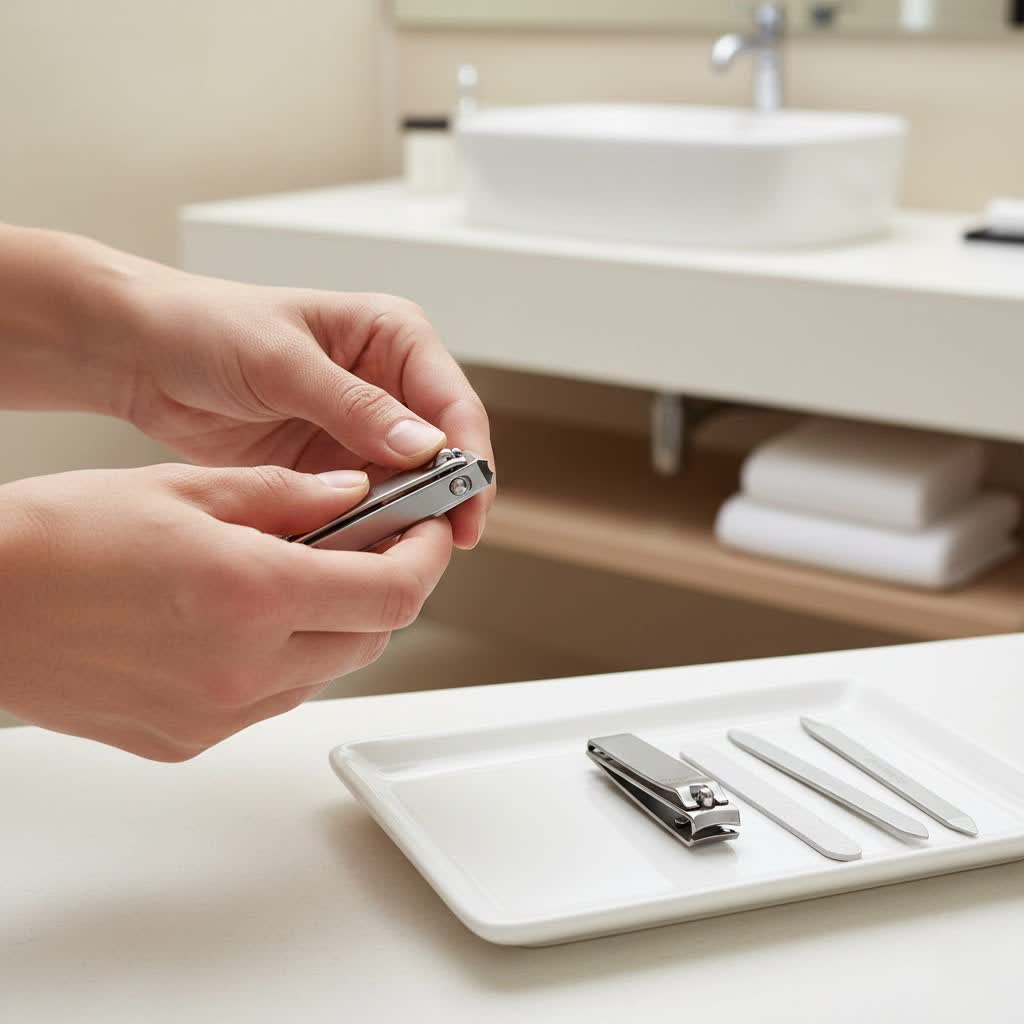
As we gracefully navigate the journey of aging, simple tasks like personal grooming can sometimes become a little more challenging. Trimming nails, once a routine chore, can transform into a struggle with reduced dexterity, vision changes, or the presence of thicker, tougher nails. But don’t let this deter you from maintaining healthy, comfortable nails. The right tools can make all the difference, empowering seniors to continue independent and safe nail care. This comprehensive guide will walk you through the world of specialized nail clippers designed specifically for seniors, ensuring you find the perfect pair to keep your nails in top condition with ease and confidence.
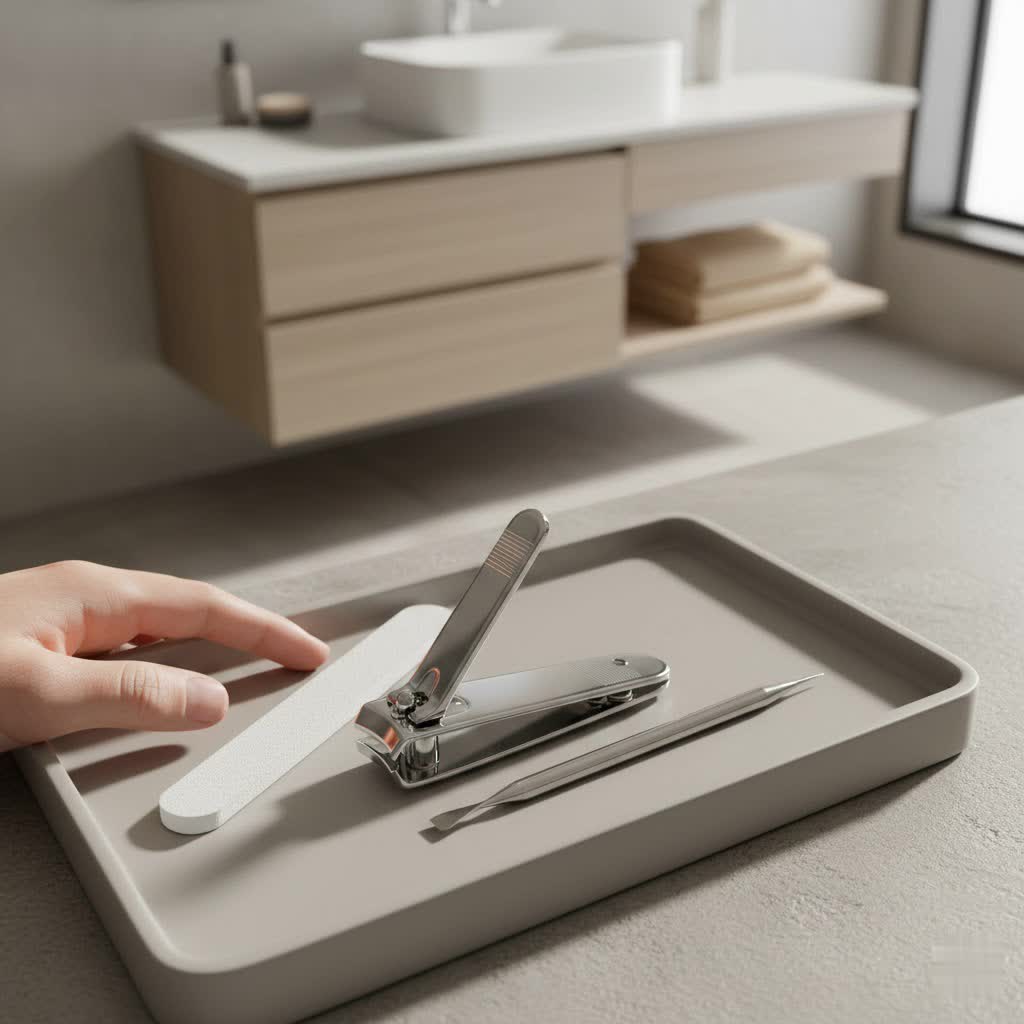
The Unique Challenges of Nail Care for Seniors
Maintaining healthy nails is crucial, not just for aesthetics but also for preventing discomfort, pain, and potential infections. For seniors, several age-related factors can complicate this seemingly straightforward task:
- Reduced Dexterity and Grip Strength: Conditions like arthritis can make gripping and operating small, traditional clippers difficult and painful, leading to hand fatigue and imprecise cuts.
- Limited Flexibility and Reach: Bending over to reach toenails can become a significant physical challenge, especially for individuals with back issues, hip problems, or reduced overall mobility.
- Thicker, Harder, or Brittle Nails: With age, nails can naturally thicken and harden, or become more brittle, making them resistant to standard clippers and prone to splitting or cracking. Fungal infections can also contribute to this.
- Impaired Vision: Poor eyesight can make it hard to see the nail precisely, increasing the risk of accidental nicks, cuts, or uneven trimming.
- Increased Risk for Complications: Seniors, particularly those with diabetes or circulatory issues, are more susceptible to infections and slower healing. Even a minor cut can lead to serious health concerns, emphasizing the need for safe and precise tools.
Understanding these challenges is the first step toward finding a solution that restores comfort, safety, and independence to your nail care routine.
Understanding Different Types of Nail Clippers for Seniors
The market offers a diverse range of nail clippers, each with unique features to address specific senior needs. Choosing the right type depends on your individual challenges and preferences.
Traditional Lever-Style Clippers (Enhanced)
|
Our Picks for the Best Nail Clippers in 2026
We may earn a commission when you use one of our links to make a purchase.
|
||
| Num | Product | Action |
|---|---|---|
| 1 |

|
|
| 2 | Toenail Clippers for Thick Toenails for Seniors, Angled Head Large Toe Nail Clippers for Thick Nails for Men, Heavy Duty Ingrown Toenail Clippers with Wide Jaw, Sharp Slanted Nail Cutter Black |
|
| 3 | Ultra Sharp Nail Clippers Set - 2 Pack Stainless Steel Fingernail & Toenail Trimmers with Built-in Nail File for Women & Seniors (Silver) |
|
| 4 | Upgraded Toenail Clippers for Thick Toenails for Seniors, Angled Head Large Toe Nail Clippers Set for Men, Heavy Duty Ingrown Toenail Clippers Long Handled, Ultra Sharp Slanted Nail Cutter Wide Jaw |
|
| 5 | HAWATOUR Nail Clippers Set, Ultra Sharp Sturdy Fingernail and Toenail Clipper Cutters with Visibly Tin Case, Silver |
|
| 6 | Toenail Clippers for Seniors Thick Toenails, Aucurwen Heavy Duty Toe Nail Clippers Adult Thick Nails Long Handle, Large Toenail Clippers for Thick Nails 7Pcs |
|
| 7 | 2026 Upgraded 3-in-1 Electric Nail Clipper,Rechargeable Electric Nail File & Toenails, 6 Speeds with LED Light & Nail Debris Storage,Suitable for Children,Adults,Seniors to use Electric Nail Trimmer |
|
| 8 | Nail Clipper Set,Premium Stainless Steel Fingernail and Toenail Clipper Cutters with Nail File, Sharp Effortless Nail Clippers Set for Men & Women(Silver) |
|
| 9 | 4-in-1 Electric Nail Clipper with LED Light – Quiet Rechargeable Nail Grooming Kit, Grinder & Polisher, 2 Speed, Nail Debris Collector, Portable Gift Set |
|
| 10 | HAWATOUR Nail Clippers Set, Ultra Sharp Sturdy Fingernail and Toenail Clipper Cutters with Visibly Tin Case, Black |
|
While standard lever-style clippers might prove challenging, enhanced versions are designed with seniors in mind. These typically feature larger, often padded or rubberized handles that provide a more substantial and comfortable grip, reducing the force needed and minimizing strain on arthritic hands. Some models incorporate wider jaw openings to accommodate thicker nails more easily than their conventional counterparts. Their familiar mechanism can be reassuring, provided the ergonomic improvements are significant enough to make them manageable.
Plier-Style Nippers
Often recommended by podiatrists, plier-style nippers offer superior leverage and power, making them ideal for exceptionally thick or tough toenails that traditional clippers struggle with. They resemble small pliers with sharp, robust blades and a spring mechanism that helps reopen the jaws after each cut. While highly effective, their sharpness requires careful handling and precise control to prevent injury, especially for those with reduced vision or very shaky hands.
Long-Handled Nail Clippers
For individuals with limited flexibility or mobility issues that make reaching their toenails difficult, long-handled nail clippers are a game-changer. These tools feature extended handles, often with ergonomic grips, allowing users to trim their toenails without excessive bending or straining. Some designs are foldable for easy storage, while others might include a swivel head to adjust to different angles, offering greater accessibility and promoting self-care independence.
Electric Nail Trimmers and Files
Electric nail trimmers and files provide a gentle and effortless alternative to manual clipping. These devices typically use a rotating abrasive head or a specialized blade to file or trim nails, removing the need for significant manual force or precise alignment. Many electric models come with safety features such as automatic sensing to prevent skin contact, built-in lights for better visibility, and collection systems for nail dust. They are particularly beneficial for those with severe arthritis, tremors, or very delicate skin, offering a consistent and safe trimming experience.
Specialty Designs (Rotating Head, Tabletop)
Beyond the main categories, some innovative designs cater to very specific needs. Rotating head clippers feature a head that swivels 360 degrees, allowing users to find the most comfortable and effective clipping angle without twisting their wrist. This is excellent for those with wrist stiffness or limited range of motion. Tabletop clippers are designed with a wide, stable base, allowing them to be placed on a flat surface. Users can then press down on a lever with their palm, arm, or even elbow, making them suitable for individuals with extremely limited hand strength or dexterity.
Bảng So Sánh Các Loại Nail Clippers
| Feature / Type | Traditional Lever (Enhanced) | Plier-Style Nippers | Long-Handled Clippers | Electric Trimmers/Files | Specialty (Rotating/Tabletop) |
|---|---|---|---|---|---|
| Material | Stainless steel, plastic/rubber | Surgical-grade stainless steel | Stainless steel, plastic | Plastic, metal components | Stainless steel, durable plastic |
| Durability | Good, depends on quality | Excellent, built for heavy use | Good, depends on handle stability | Good, with proper care | Excellent, robust design |
| Sharpness | Good, clean cuts for average nails | Excellent, for thick/hard nails | Good, for average to thick nails | Gentle filing, precise trimming | Excellent, precise cutting |
| Design | Larger, ergonomic handles, wider jaw | Spring-loaded, powerful jaws | Extended reach, often ergonomic | Rotary head, battery-operated | Swivel head or stable base |
| Price Range | Low to Moderate | Moderate to High | Moderate to High | Moderate to High | Moderate to High |
| Target User | Mild dexterity issues, thicker nails | Very thick/fungal nails, ingrown | Limited mobility, reach issues | Severe dexterity issues, tremors | Wrist stiffness, very weak grip |
Essential Features to Look For in Senior Nail Clippers (Buying Guide)
Choosing the perfect nail clippers involves more than just picking a type. Several crucial features contribute to ease of use, safety, and effectiveness. When you’re ready to select your next grooming tool, consider these factors:
Ergonomics and Grip
A comfortable and secure grip is paramount. Look for clippers with larger, non-slip handles, often made with rubberized or textured finishes. These designs reduce the strain on your hands and prevent the clippers from slipping during use, which is especially important if you have arthritis or reduced hand strength. The shape should fit naturally in your hand, offering maximum control and comfort.
Blade Quality and Design
The effectiveness of any nail clipper hinges on its blades. Opt for models with sharp, high-quality blades, typically made from surgical-grade stainless steel or carbon steel. Sharp blades ensure a clean, precise cut without crushing, tearing, or splintering the nail, which can lead to painful ingrown nails or infections. A wide jaw opening is essential for thicker nails, allowing them to fit comfortably between the blades without excessive force. Consider whether you prefer straight-edge blades (often recommended for toenails to prevent ingrown nails) or curved blades (common for fingernails).
Safety Mechanisms
Safety should always be a top priority. Look for features such as locking mechanisms that keep the blades closed when not in use, preventing accidental cuts during storage or handling. For electric trimmers, intelligent safety features that stop the blade upon contact with skin offer peace of mind. A stable design, whether it’s a tabletop model or one with a wide base, minimizes wobbling and enhances control during the trimming process.
Added Convenience
Small additions can significantly enhance the user experience. A built-in nail catcher can prevent clippings from scattering, simplifying cleanup. Some clippers include an integrated file, allowing for immediate smoothing of rough edges. For those with impaired vision, models with an attached magnifying glass or an LED light can provide crucial visibility, making the task safer and more accurate.
“The right nail clipper can transform a daunting task into a manageable one. It’s about empowering seniors to maintain their independence with tools that truly understand their evolving needs.” – Dr. Evelyn Reed, Geriatric Podiatrist
How to Safely Use Nail Clippers for Seniors
Even with the best tools, proper technique is key to safe and effective nail care. Following these tips can help prevent common issues and maintain optimal nail health:
- Preparation is Key: Always trim your nails after a bath or shower. Warm water softens the nails, making them much easier to cut and reducing the risk of splitting. Ensure you have good lighting to clearly see your nails and the clipper blades.
- Don’t Rush the Process: Take your time. Rushing increases the chance of accidental nicks or uneven cuts. If you have any medical conditions like diabetes, where sensation might be reduced, proceed with extreme caution or enlist the help of a caregiver.
- Cut Straight Across: For toenails, always trim straight across to prevent ingrown toenails. Avoid rounding the corners too much. For fingernails, a slight curve can be natural. Use several small clips rather than one large cut to maintain control.
- Smooth Edges: After clipping, use a nail file to gently smooth any sharp or rough edges. This prevents snags and reduces the risk of further tearing or injury.
- Regular Inspection: Routinely inspect your feet and nails for any signs of infection, redness, swelling, or abnormalities. Early detection can prevent minor issues from becoming serious problems, especially for individuals with diabetes.
- When to Seek Professional Help: If you have severe thick or ingrown nails, diabetes, circulatory problems, or significant difficulty trimming your nails safely, consult a podiatrist or healthcare professional. They can provide professional care and advise on suitable tools and techniques.
“Safety and hygiene are paramount in senior nail care. Always ensure your tools are clean and sharp, and never hesitate to seek professional help if you’re unsure or struggling.” – Nurse Practitioner Lisa Chen, Senior Care Specialist
Top Picks: Highly-Rated Nail Clippers for Enhanced Senior Care
Based on the essential features and diverse needs of seniors, here are descriptions of highly effective nail clipper archetypes that offer superior comfort, safety, and precision.
The Ergonomic Power Clipper
This type of lever-style clipper stands out with its robust, oversized ergonomic handles, often featuring a non-slip, rubberized grip. Designed to fit comfortably in larger hands or those affected by arthritis, it significantly reduces the force required for each clip. Its wide jaw opening effortlessly handles even moderately thick nails, providing a clean, precise cut every time without crushing. Crafted from high-quality stainless steel, it promises durability and consistent performance. This is an excellent choice for those seeking a familiar form factor with enhanced comfort and power.
The Extended Reach Toenail Nipper
For individuals struggling with bending or reaching their feet, this plier-style nipper with an extended handle is invaluable. The extra-long, often foldable handle minimizes strain on the back and hips, making toenail care accessible again. Its strong, surgical-grade stainless steel blades deliver exceptional power, cutting through very thick or tough nails with precision. A spring-loaded mechanism assists in opening the jaws, reducing hand fatigue. Some models include a swivel head for adjustable angles, further enhancing accessibility for limited mobility.
The Effortless Electric Nail Trimmer
Perfect for those with significant dexterity challenges, tremors, or very brittle nails, this electric trimmer offers a blade-free, gentle approach. Utilizing a precision rotary file or a concealed trimming mechanism, it safely and smoothly files nails to the desired length and shape without sharp edges. Key features often include automatic safety sensors that prevent skin contact, integrated LED lights for improved visibility, and a quiet motor. Rechargeable and mess-free with a built-in collection system, it provides a consistent, low-effort grooming solution that prioritizes safety above all.
Conclusion
Navigating nail care in your senior years doesn’t have to be a source of frustration or discomfort. With the right nail clippers, specifically designed to address common age-related challenges, you can maintain healthy, well-groomed nails with confidence and independence. From ergonomic lever-style clippers for easier handling to powerful plier-style nippers for thick nails, and innovative electric trimmers for a gentle touch, there’s a perfect tool for everyone. Prioritizing features like a comfortable grip, sharp blades, and robust safety mechanisms will ensure you choose a product that not only performs effectively but also makes your grooming routine a safe and enjoyable experience. What features are most important to you in your ideal nail clipper for seniors?
Câu Hỏi Thường Gặp
Why are regular nail clippers often difficult for seniors to use?
Regular nail clippers typically have small handles and require significant grip strength and fine motor skills. Seniors often experience reduced dexterity, arthritis, or thicker nails, making these standard tools uncomfortable, ineffective, and potentially unsafe, increasing the risk of painful nicks or uneven cuts.
What is the best material for senior nail clipper blades?
Surgical-grade stainless steel or high-carbon steel is generally recommended for nail clipper blades for seniors. These materials ensure exceptional sharpness, durability, and corrosion resistance, providing clean, precise cuts that are essential for preventing nail damage and potential infections, especially for thicker nails.
Can long-handled clippers help with limited mobility?
Absolutely. Long-handled nail clippers are specifically designed to assist seniors with limited flexibility or mobility issues. They extend your reach, allowing you to comfortably trim toenails without excessive bending, straining, or twisting, thereby reducing the physical effort and risk of injury.
Are electric nail trimmers safe for seniors with diabetes?
Electric nail trimmers can be a safer alternative for seniors, especially those with diabetes, as they minimize the risk of accidental cuts from sharp blades. Many models feature skin-safe technology and gentle filing, but it’s crucial for diabetics to still exercise extreme caution and consult a healthcare professional for nail care advice.
How often should seniors trim their nails?
The frequency of nail trimming varies, but generally, fingernails should be trimmed every one to two weeks, and toenails every two to four weeks. Regular trimming prevents nails from becoming too long, which can lead to discomfort, breakage, or ingrown nails, and makes the task easier to manage.