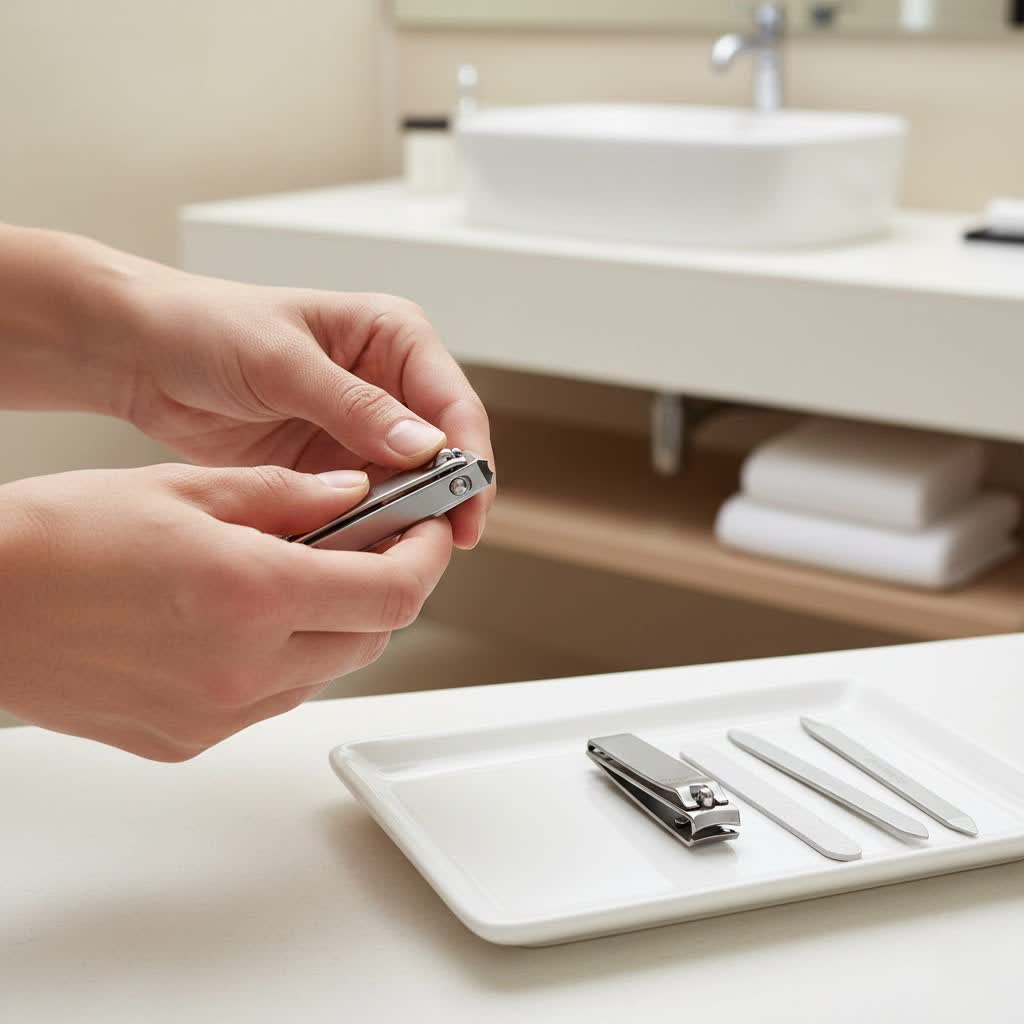
Dealing with an ingrown toenail can be a uniquely painful and frustrating experience, transforming simple acts like walking into a chore. If you’ve ever felt that sharp, persistent discomfort at the edge of your nail, you know how vital it is to address the issue effectively. Fortunately, with the right tools and techniques, you can confidently manage and prevent ingrown nails. This comprehensive guide will navigate you through the world of specialized Nail Clippers For Ingrown Nails, helping you understand their importance, choose the best options, and use them safely for optimal foot health.
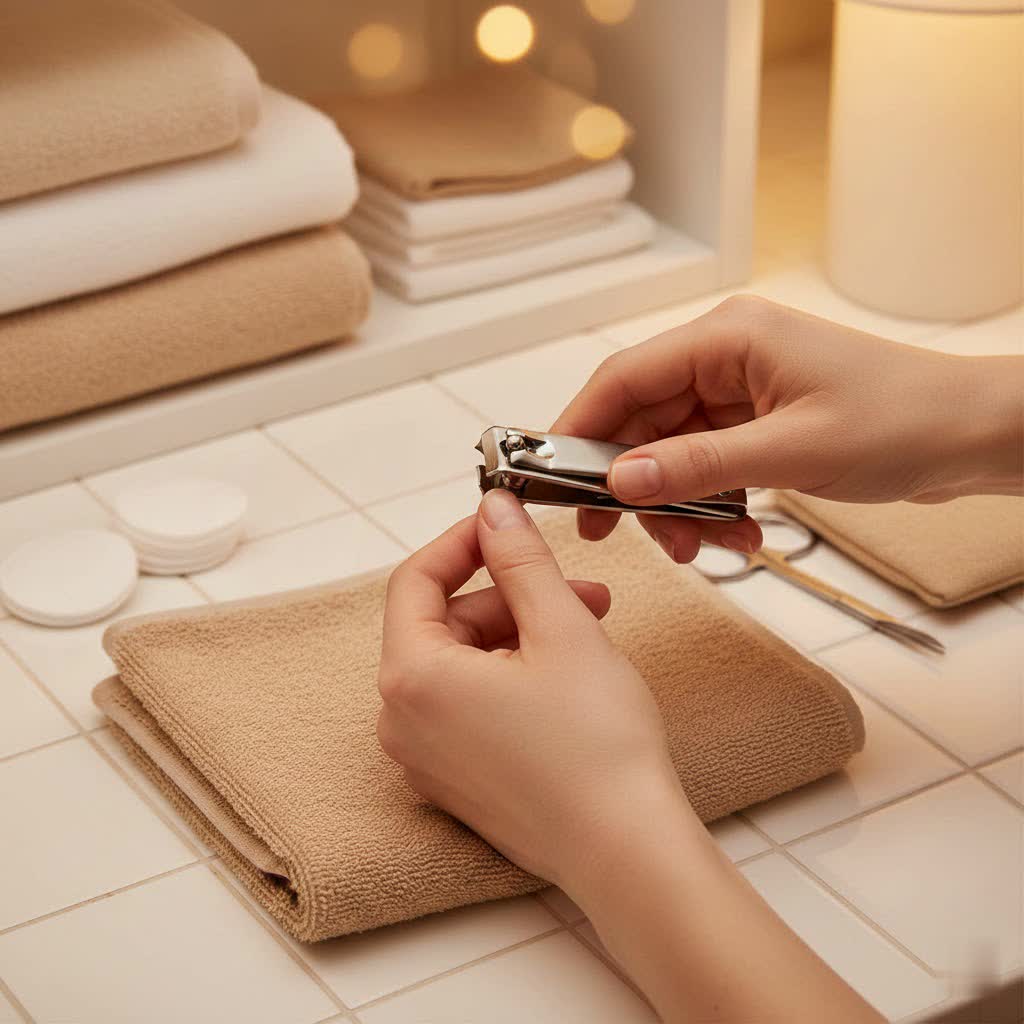
Understanding Ingrown Nails and Why Specialized Clippers Matter
An ingrown toenail, medically known as onychocryptosis, occurs when the edge of a toenail grows into the surrounding skin, typically affecting the big toe. This common condition manifests with symptoms such as pain, redness, and swelling, and can escalate to infection if left untreated. The pain arises from the nail edge irritating the soft tissue, leading to inflammation and discomfort.
Several factors contribute to the development of ingrown toenails. Improper nail trimming is a leading cause; cutting nails too short or rounding the edges instead of a straight cut can encourage the nail to grow into the skin. Ill-fitting shoes, particularly those that are too tight or narrow, can press on the toes and force the nail inward. Trauma to the toe, genetics (such as having naturally curved nails), and even poor foot hygiene can also increase susceptibility to this condition.
Standard nail clippers, while adequate for everyday nail care, often fall short when it comes to tackling ingrown nails. Their design typically features curved blades that can exacerbate the problem by encouraging the nail to grow further into the skin. They also lack the precision, strength, and reach required to safely and effectively trim an embedded nail without causing further trauma or pain. Specialized nail clippers for ingrown nails are engineered with these challenges in mind, offering superior control and access to alleviate discomfort and promote healthy nail growth.
Types of Nail Clippers Designed for Ingrown Nails
The market offers several types of specialized tools for managing ingrown nails, each with unique advantages tailored to different needs. Choosing the right type is crucial for effective and safe home care.
Plier-Style Nippers
Plier-style nippers are often referred to as podiatrist-grade clippers due to their robust construction and professional capabilities. These heavy-duty tools typically feature a spring-action mechanism that provides consistent pressure and requires less hand strength, making them ideal for thicker or tougher nails. Their long handles offer excellent leverage and reach, which is particularly beneficial for hard-to-access toenails.
Key features of plier-style nippers include sharp, straight blades with fine or pointed tips. The straight edge is paramount for ingrown nail care as it encourages the nail to grow out straight, preventing further ingrowth. The fine tips allow users to carefully navigate around the ingrown section without damaging surrounding skin.
- Pros: Exceptional strength for thick nails, precise straight cuts, good leverage, durable construction.
- Cons: Can be intimidating for first-time users, requires careful handling to avoid injury.
|
Our Picks for the Best Nail Clippers in 2026
We may earn a commission when you use one of our links to make a purchase.
|
||
| Num | Product | Action |
|---|---|---|
| 1 | Ultra Sharp Nail Clippers Set - 2 Pack Stainless Steel Fingernail & Toenail Trimmers with Built-in Nail File for Women & Seniors (Silver) |

|
| 2 | Upgraded Toenail Clippers for Thick Toenails for Seniors, Angled Head Large Toe Nail Clippers Set for Men, Heavy Duty Ingrown Toenail Clippers Long Handled, Ultra Sharp Slanted Nail Cutter Wide Jaw |
|
| 3 | Nail Clipper Set,Premium Stainless Steel Fingernail and Toenail Clipper Cutters with Nail File, Sharp Effortless Nail Clippers Set for Men & Women(Silver) |
|
| 4 | Toenail Clippers for Thick Toenails for Seniors, Angled Head Large Toe Nail Clippers for Thick Nails for Men, Heavy Duty Ingrown Toenail Clippers with Wide Jaw, Sharp Slanted Nail Cutter Black |
|
| 5 | Toenail Clippers for Seniors Thick Toenails, Aucurwen Heavy Duty Toe Nail Clippers Adult Thick Nails Long Handle, Large Toenail Clippers for Thick Nails 7Pcs |
|
| 6 | 2026 Upgraded 3-in-1 Electric Nail Clipper,Rechargeable Electric Nail File & Toenails, 6 Speeds with LED Light & Nail Debris Storage,Suitable for Children,Adults,Seniors to use Electric Nail Trimmer |
|
| 7 | 4-in-1 Electric Nail Clipper with LED Light – Quiet Rechargeable Nail Grooming Kit, Grinder & Polisher, 2 Speed, Nail Debris Collector, Portable Gift Set |
|
| 8 | HAWATOUR Nail Clippers Set, Ultra Sharp Sturdy Fingernail and Toenail Clipper Cutters with Visibly Tin Case, Black |
|
| 9 | SZQHT Ultra Wide Jaw Opening Nail Clippers Set, Toenail Clippers for Thick Nails, Heavy Duty Nail Cutter, Stainless Steel Toe Nail Clippers for Seniors, Men & Women Manicure,Pedicure,Big(Black) |
|
| 10 | HAWATOUR Nail Clippers Set, Ultra Sharp Sturdy Fingernail and Toenail Clipper Cutters with Visibly Tin Case, Silver |
|
Precision Toenail Scissors
While less common for severely ingrown nails, specialized toenail scissors can be useful for certain situations. These scissors often have finer, sometimes slightly curved, blades that offer excellent maneuverability in tight spots. They are generally lighter and can feel more intuitive for those accustomed to using scissors for other grooming tasks.
Precision toenail scissors are beneficial for trimming nails that are not deeply ingrown but still require careful shaping, or for very delicate work around the nail edge. Their design allows for a more controlled, incremental cut.
- Pros: Good for delicate work, excellent maneuverability, can feel more familiar than nippers.
- Cons: May not be strong enough for very thick nails, curved blades can inadvertently encourage ingrowth if not used correctly.
Complementary Tools
Beyond clippers, several other tools play a supporting role in ingrown nail care:
- Ingrown Nail Lifters: These slender instruments with a spoon-shaped or angled tip are used to gently lift the ingrown nail edge away from the skin, allowing for easier clipping or the placement of cotton to encourage outward growth.
- Nail Files and Rasps: After trimming, a quality nail file or rasp is essential for smoothing any sharp edges to prevent snagging or further irritation. For ingrown nail prevention, filing straight across the top of the nail is recommended, rather than filing down the sides.
These complementary tools enhance the effectiveness and safety of your ingrown nail care routine, providing a comprehensive approach to managing this painful condition.
Key Features to Consider When Choosing Ingrown Nail Clippers
Selecting the right nail clippers for ingrown nails is crucial for both effectiveness and safety. Here are the essential factors to consider:
Material and Durability
The material of your clippers directly impacts their performance and longevity. High-quality stainless steel, particularly surgical-grade, is the gold standard. This material offers exceptional strength, corrosion resistance, and is easy to sterilize, which is vital for preventing infections. Some clippers may also incorporate titanium-steel, known for similar benefits. Investing in durable materials ensures your clippers maintain their sharpness and structural integrity over time, providing consistent, reliable cuts.
Blade Design: Straight Edges & Precision Tips
The blade design is perhaps the most critical feature. For preventing and managing ingrown nails, straight cutting edges are strongly recommended. Unlike curved blades that can promote ingrowth by cutting the nail into a rounded shape, straight blades encourage the nail to grow forward naturally.
Look for clippers with precision-ground, extra-sharp blades. Fine, pointed tips are particularly beneficial as they allow you to access the embedded portion of an ingrown nail with minimal disruption to the surrounding skin. This precision prevents jagged edges and reduces the risk of further irritation or injury.
Ergonomics and Grip
Comfort and control are paramount, especially when dealing with a sensitive area. Clippers with ergonomic handles and a non-slip grip ensure stability and reduce hand fatigue, even during prolonged use. Features like a spring-action mechanism (single or double leaf spring) enhance usability by providing a smooth, controlled cutting action and requiring less pressure, making them suitable for individuals with reduced hand strength. A good grip minimizes the chance of accidental slips, which can lead to painful nicks.
Size and Jaw Opening
Toenails are typically thicker and wider than fingernails, and ingrown nails can sometimes be quite thick. Therefore, choose clippers specifically designed for toenails, which generally have a larger size and wider jaw opening. This allows them to accommodate thicker nails without straining the tool or your hand. Adequate leverage is also provided by a larger design, ensuring a clean, efficient cut.
Sterilizability and Hygiene
Given the delicate nature of ingrown nail care and the risk of infection, your clippers must be easy to clean and sterilize. Stainless steel is excellent for this purpose, as it can be wiped down with rubbing alcohol or hydrogen peroxide after each use. Some professional-grade tools are even fully autoclavable, offering the highest level of sterilization. Proper hygiene is non-negotiable to prevent bacterial or fungal infections.
A Step-by-Step Guide to Safely Using Ingrown Nail Clippers
Using specialized nail clippers requires careful attention to detail to ensure safety and effectiveness. Follow these steps for proper ingrown nail care at home:
Preparation is Key
Before you even touch your clippers, thorough preparation is essential.
- Soak Your Feet: Immerse your feet in warm, soapy water for 10-30 minutes. This softens the nail and surrounding skin, making it easier to cut and reducing discomfort. Adding Epsom salts can further soothe inflammation.
- Sterilize Your Tools: Disinfect your nail clippers, nail lifters, and any other tools you plan to use with rubbing alcohol or hydrogen peroxide. Allow them to air dry completely. This crucial step prevents the introduction of bacteria and reduces the risk of infection.
- Dry Your Feet: After soaking, thoroughly dry your feet and toes with a clean towel, paying special attention to the areas between your toes to prevent fungal growth.
The Correct Cutting Technique
Once prepared, proceed with caution and precision.
- Lift Gently (If Needed): If the nail edge is slightly embedded, use a sterilized ingrown nail lifter or the fine tip of your clippers to gently lift the corner of the nail away from the skin. Do not force it if it causes pain.
- Cut Straight Across: Position your specialized clippers to make a straight cut across the toenail. Avoid rounding the corners or cutting the nail too short. The goal is to leave a small amount of white tip (1-2 millimeters) to prevent the nail from growing back into the skin. Make small, incremental cuts rather than trying to cut the entire nail in one go.
- Avoid Digging: Do not dig into the sides of the nail or try to “cut out” a deeply ingrown section. This can worsen the problem, cause bleeding, and significantly increase the risk of infection.
Post-Trimming Care
After clipping, your care routine isn’t finished.
- Smooth Edges: Use a fine nail file to gently smooth any sharp edges that could snag on socks or cause further irritation. Remember to file straight across the top of the nail, not down the sides.
- Cleanse the Area: Re-cleanse the trimmed area with an antiseptic solution or tea tree oil to further minimize infection risk.
- Monitor: Keep an eye on your toe for any signs of discomfort, redness, or swelling.
- Maintain Hygiene: Continue to clean your tools after each use and store them in a clean, dry place.
When to Seek Professional Help
While specialized clippers can be effective for managing mild ingrown nails and for prevention, it’s vital to know when to consult a healthcare professional. You should see a podiatrist or doctor if you experience:
- Signs of Infection: Increased redness, severe swelling, pus, warmth around the toe, or fever.
- Severe Pain: If the pain is intense and persistent, even after home care.
- Underlying Conditions: If you have diabetes, nerve damage in your feet, or poor circulation, any foot problem, including an ingrown toenail, can lead to serious complications and requires immediate professional attention.
- Recurrent Issues: If ingrown nails are a recurring problem despite proper home care.
Attempting to perform “bathroom surgery” on an infected or severely ingrown nail can lead to worsening conditions and more complex treatments. A professional can safely remove the ingrown portion and provide appropriate medical care.
Top Considerations for Ingrown Nail Clipper Brands
When it comes to selecting the best nail clippers for ingrown nails, focusing on reputable brands and specific design characteristics will lead you to a reliable tool. While individual product recommendations can vary and quickly become outdated, understanding what defines a quality brand in this specialized niche is key.
Look for brands that emphasize:
- Podiatrist-Recommended Designs: Many top brands collaborate with podiatrists to design tools that meet professional standards for safety, precision, and efficacy. These often feature the straight-edge, pointed-tip blades and ergonomic handles favored by experts.
- Surgical-Grade Steel: As previously mentioned, high-quality stainless steel (often specified as surgical grade) is crucial for durability, sharpness, and hygiene. Brands that clearly state their material quality instill confidence.
- Precision Engineering: Reputable manufacturers invest in precision grinding and honing of their blades, ensuring they are consistently sharp and perfectly aligned for clean cuts without tearing or crushing the nail.
- Ergonomic and User-Friendly Features: Good brands consider the user experience, offering comfortable, non-slip handles and smooth spring mechanisms that reduce strain and improve control.
- Positive User Reviews and Reputation: While not a guarantee, consistently positive reviews, particularly from users with experience managing thick or ingrown nails, often indicate a product’s reliability and effectiveness. Brands frequently mentioned in podiatry circles or on trusted foot care forums are good starting points.
Common categories of effective ingrown nail clippers often include “heavy-duty nippers,” “podiatrist toenail clippers,” or “precision ingrown nail cutters.” These terms generally point to tools with the necessary features for managing challenging nails.
Preventing Future Ingrown Nails Beyond Proper Clipping
While having the right clippers and knowing how to use them is essential, preventing ingrown nails goes beyond just trimming. Adopting a holistic approach to foot care can significantly reduce your risk.
- Choose Proper Footwear: Your shoes play a critical role in foot health. Opt for shoes with a wide toe box that allows your toes to move freely without being cramped. Avoid tight, narrow, or high-heeled shoes that put undue pressure on your toenails. Ensure socks are not too tight, which can also compress the toes.
- Maintain Excellent Foot Hygiene: Keep your feet clean and dry, especially between the toes. Regular washing with soap and water, followed by thorough drying, helps prevent bacterial and fungal infections that can soften the skin and make nails more prone to ingrowth.
- Avoid Nail Trauma: Be mindful of activities that could injure your toes, such as stubbing them or dropping heavy objects on them. Repeated stress on the toes from certain sports can also contribute to ingrown nails, so proper foot protection is advised.
- Address Underlying Conditions: If you have naturally curved nails or other foot deformities, discuss preventive strategies with a podiatrist. They might recommend specific orthotics or other interventions to mitigate risk.
By combining proper nail trimming techniques with these preventive measures, you create a robust defense against the recurrence of painful ingrown nails, promoting long-term foot comfort and health.
Conclusion
Ingrown toenails are a common and often painful condition, but with the right knowledge and tools, they are largely manageable and preventable. Specialized nail clippers, characterized by their surgical-grade stainless steel, straight and sharp precision blades, and ergonomic designs, are indispensable for safely addressing these challenging nails. Remember, proper preparation, a meticulous straight-across cutting technique, and diligent post-trimming care are crucial for effective home treatment.
However, recognizing the signs of infection or severe pain and knowing when to consult a podiatrist is equally important, particularly for individuals with underlying health conditions. By making informed choices about your tools and adopting comprehensive foot care practices—including wearing appropriate footwear and maintaining excellent hygiene—you empower yourself to prevent future ingrown nails. Take control of your foot health today and step towards a life free from ingrown nail discomfort. Have you considered upgrading your nail care routine to prioritize preventive measures and specialized tools for lasting comfort?
Câu Hỏi Thường Gặp
What is the best type of nail clipper for preventing ingrown toenails?
The best type of nail clipper for preventing ingrown toenails is typically a plier-style nipper with a straight, sharp cutting edge. These tools allow for clean, straight cuts across the nail, which is crucial to avoid rounding the corners and encouraging the nail to grow into the skin.
Can I use regular nail clippers for an ingrown toenail?
It is generally not recommended to use regular nail clippers for an ingrown toenail. Their curved blades and lack of precision can worsen the condition, cause further injury, or even lead to infection by making it difficult to cut the nail straight and access embedded areas safely.
How often should I trim my toenails to prevent ingrown nails?
The frequency of trimming depends on your nail growth rate, but typically every few weeks is sufficient. The key is to trim your toenails when they are long enough to be cut straight across, leaving a small white tip, but before they become so long that they are prone to trauma or pressing against shoes.
When should I see a doctor for an ingrown toenail?
You should see a doctor or podiatrist if your ingrown toenail shows signs of infection (redness, severe swelling, pus, warmth), causes intense pain, or if you have underlying conditions like diabetes that make foot complications more serious. Do not attempt to self-treat a severely ingrown or infected nail.
What features make a nail clipper “podiatrist-grade” for ingrown nails?
Podiatrist-grade nail clippers for ingrown nails typically feature surgical-grade stainless steel construction, a straight and very sharp blade with fine, pointed tips for precision, an ergonomic handle with a spring-action mechanism for control and leverage, and a wide jaw opening to accommodate thick toenails.