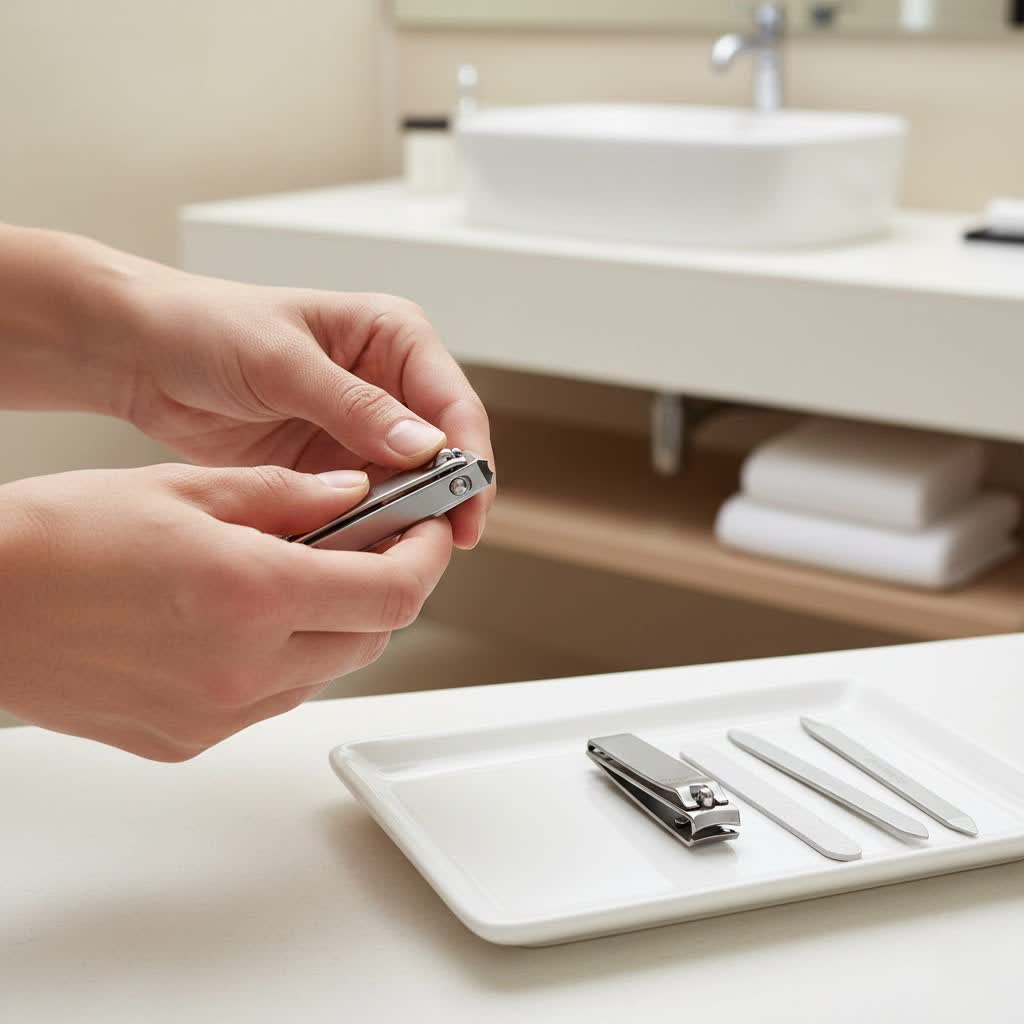
Have you ever experienced the frustration of dull nail clippers that bend, tear, or snag your nails instead of providing a clean cut? It’s a common issue that can lead to jagged edges, discomfort, and even potential nail damage. Investing in a high-quality, sharp nail clipper is not just a luxury; it’s a fundamental step towards healthier, more aesthetically pleasing nails. This comprehensive guide will navigate you through the world of Sharp Nail Clippers, from understanding their different types and the science behind their effectiveness to choosing the perfect pair and maintaining them for lasting performance. Prepare to transform your nail care routine with precision and ease.
Understanding Nail Clippers: More Than Just a Simple Tool
At its core, a nail clipper is a hand tool used to trim fingernails and toenails. However, the seemingly simple design belies a complex interplay of materials, engineering, and craftsmanship that dictates its performance. The evolution of nail care tools has moved beyond basic functionality, embracing advanced materials and meticulous production techniques, particularly from regions renowned for their metalworking, such as Japan and Germany.
The primary reason to prioritize sharpness in your nail clippers is to ensure clean, precise cuts. Dull clippers often crush the nail plate, leading to splitting, delamination, uneven edges, and increased risk of bacterial infections or ingrown nails. A truly sharp blade, by contrast, slices through the nail effortlessly, promoting nail health and reducing the need for extensive filing afterward.
Exploring the Landscape of Nail Clipper Types
The market offers a variety of nail clipper designs, each catering to different needs and preferences. Understanding these types is crucial for selecting the right tool for your specific nail care regimen.
Traditional Lever-Type Clippers
|
Our Picks for the Best Nail Clippers in 2026
We may earn a commission when you use one of our links to make a purchase.
|
||
| Num | Product | Action |
|---|---|---|
| 1 | Ultra Sharp Nail Clippers Set - 2 Pack Stainless Steel Fingernail & Toenail Trimmers with Built-in Nail File for Women & Seniors (Silver) |

|
| 2 | SZQHT Ultra Wide Jaw Opening Nail Clippers Set, Toenail Clippers for Thick Nails, Heavy Duty Nail Cutter, Stainless Steel Toe Nail Clippers for Seniors, Men & Women Manicure,Pedicure,Big(Black) |
|
| 3 | 2026 Upgraded 3-in-1 Electric Nail Clipper,Rechargeable Electric Nail File & Toenails, 6 Speeds with LED Light & Nail Debris Storage,Suitable for Children,Adults,Seniors to use Electric Nail Trimmer |
|
| 4 | 4-in-1 Electric Nail Clipper with LED Light – Quiet Rechargeable Nail Grooming Kit, Grinder & Polisher, 2 Speed, Nail Debris Collector, Portable Gift Set |
|
| 5 | HAWATOUR Nail Clippers Set, Ultra Sharp Sturdy Fingernail and Toenail Clipper Cutters with Visibly Tin Case, Black |
|
| 6 | Toenail Clippers for Thick Toenails for Seniors, Angled Head Large Toe Nail Clippers for Thick Nails for Men, Heavy Duty Ingrown Toenail Clippers with Wide Jaw, Sharp Slanted Nail Cutter Black |
|
| 7 | Upgraded Toenail Clippers for Thick Toenails for Seniors, Angled Head Large Toe Nail Clippers Set for Men, Heavy Duty Ingrown Toenail Clippers Long Handled, Ultra Sharp Slanted Nail Cutter Wide Jaw |
|
| 8 | HAWATOUR Nail Clippers Set, Ultra Sharp Sturdy Fingernail and Toenail Clipper Cutters with Visibly Tin Case, Silver |
|
| 9 | Toenail Clippers for Seniors Thick Toenails, Aucurwen Heavy Duty Toe Nail Clippers Adult Thick Nails Long Handle, Large Toenail Clippers for Thick Nails 7Pcs |
|
| 10 | Nail Clipper Set,Premium Stainless Steel Fingernail and Toenail Clipper Cutters with Nail File, Sharp Effortless Nail Clippers Set for Men & Women(Silver) |
|
These are the most ubiquitous nail clippers, characterized by a lever mechanism that, when pressed, brings two curved blades together. They are versatile and widely used for general fingernail trimming due to their straightforward design and ease of use. While suitable for most nail sizes and thicknesses, lower-quality lever-type clippers might struggle with tougher nails, leading to the aforementioned crushing and tearing.
Pliers-Type Clippers (Nail Nippers)
Also known as nail nippers, these clippers feature scissor-like handles and are typically more robust than their lever-type counterparts. Their design provides superior leverage and control, making them ideal for precision work and handling thick or tough toenails. Many professionals prefer nippers for their ability to make clean, controlled cuts. While they might appear more intimidating initially, their effectiveness for challenging nails is unparalleled.
Specialized Clippers for Unique Needs
Beyond the general categories, several specialized clippers are designed to address particular nail characteristics or user requirements.
- Toenail Clippers: Generally larger than fingernail clippers, toenail clippers often feature straight edges. This design is crucial for trimming toenails straight across to prevent ingrown nails, a common and painful condition. Their robust build handles the typically thicker and harder texture of toenails.
- Thick Nail Clippers: For individuals with unusually thick or hard nails due to genetics, age, or certain conditions, heavy-duty clippers are essential. These clippers boast wider jaws, enhanced leverage, and often an ergonomic grip to provide the necessary force and control for a clean trim without straining the hand.
- Children’s Nail Clippers: Designed with safety in mind, these clippers are smaller and sometimes include features like rounded tips or magnifying glasses to aid in safe trimming of delicate baby nails.
- Single-Blade Cutters: A newer innovation, certain clippers, like those from EDJY, utilize a single, precision-engineered blade to slice through the nail rather than pinching it between two blades. This can result in a remarkably smooth cut, significantly reducing splitting and peeling, and making them particularly suitable for brittle nails.
What Makes a Nail Clipper Truly Sharp and Durable?
The secret to a superior nail clipper lies in the quality of its materials and the precision of its manufacturing. It’s a blend of metallurgical science and artisanal skill.
The Science of Superior Materials
The foundation of a sharp and durable nail clipper is its material.
- Stainless Steel: This is the industry gold standard. High-grade stainless steel, often surgical-grade or high-carbon variants, offers several critical advantages. It is rust-resistant, hypoallergenic, and provides exceptional longevity. Stainless steel blades maintain their edge over time and are easy to clean and sterilize, essential for hygiene.
- Tempered Steel: The process of tempering steel enhances its hardness and resilience. Extremely hard, tempered steel is crucial for a blade that can retain its original cutting properties for many years. Without this, even good steel can quickly dull.
Precision Engineering and Craftsmanship
Beyond the raw material, how a nail clipper is made significantly impacts its performance.
- Hand-Sharpened Blades: The hallmark of true quality, hand-sharpened blades achieve an unparalleled edge that machine grinding often cannot replicate. This meticulous process ensures that the blades are razor-sharp and perfectly aligned.
- Precision-Ground Edges: High-quality clippers feature precision-ground edges that glide smoothly through the nail. This prevents the “smashing and tearing” action common with cheaper clippers, delivering a clean cut without jagged edges.
- Robust Construction: A well-built clipper feels solid and stable. Look for strong, securely fitted rivets and a construction that feels non-wobbly. This ensures consistent force application and prevents the clipper from loosening over time, which can compromise its cutting ability.
Ergonomics and Design for Optimal Performance
The design of a nail clipper plays a significant role in user experience and effectiveness.
- Comfortable Grip: An ergonomic design with non-slip handles enhances control and reduces the likelihood of slips, especially when hands might be wet. A comfortable grip also minimizes hand fatigue during longer grooming sessions.
- Leverage: For cutting thicker nails, sufficient leverage is paramount. Clippers designed for tough nails often feature longer handles or specific mechanisms that multiply the force applied, making the task effortless.
- Curved vs. Straight Edges: The choice between curved and straight blades often comes down to personal preference and desired nail shape. Curved blades follow the natural contour of fingernails, creating a rounded shape. Straight-edged clippers, on the other hand, are preferred for toenails to promote a squared-off shape and significantly reduce the risk of ingrown nails.
Your Comprehensive Buying Guide to Sharp Nail Clippers
Choosing the right sharp nail clippers can seem daunting with the array of options available. Consider these factors to make an informed decision:
Key Factors to Consider Before You Buy
- Material Quality: Always prioritize clippers made from high-grade stainless steel. This ensures sharpness, durability, and hygiene.
- Blade Sharpness & Alignment: A quality clipper will have perfectly aligned blades that meet cleanly with no visible light gaps when held against a light source and gently closed. They should cut a piece of tissue paper cleanly without tearing.
- Ergonomics & Comfort: Hold the clipper in your hand. Does it feel comfortable and secure? Does it offer good leverage if you have thick nails or limited hand strength?
- Intended Use: Will you primarily use it for fingernails, toenails, or both? Are your nails particularly thick, brittle, or prone to ingrowns? Select a type that aligns with your specific needs.
- Brand Reputation: Research brands known for quality and craftsmanship. Japanese and German manufacturers, in particular, have a strong reputation for precision grooming tools.
- Price vs. Value: While sharp, high-quality clippers might be a larger initial investment, their durability, performance, and ability to prevent nail problems offer significant long-term value.
Where to Purchase Quality Clippers
For reliable quality, consider purchasing from specialty beauty supply stores, authorized dealers of reputable brands, or well-established online retailers. While large online marketplaces like Amazon offer convenience, exercise caution as counterfeit products can be an issue for some popular brands. Look for sellers with excellent reviews and ensure the product listing clearly states the material and manufacturing origin.
Maintaining Your Sharp Nail Clippers
Even the best clippers require proper care to maintain their sharpness and longevity.
- Cleaning: Always disinfect your nail clippers before and after each use, especially if sharing (though personal clippers are recommended for hygiene). Use rubbing alcohol or an appropriate disinfectant.
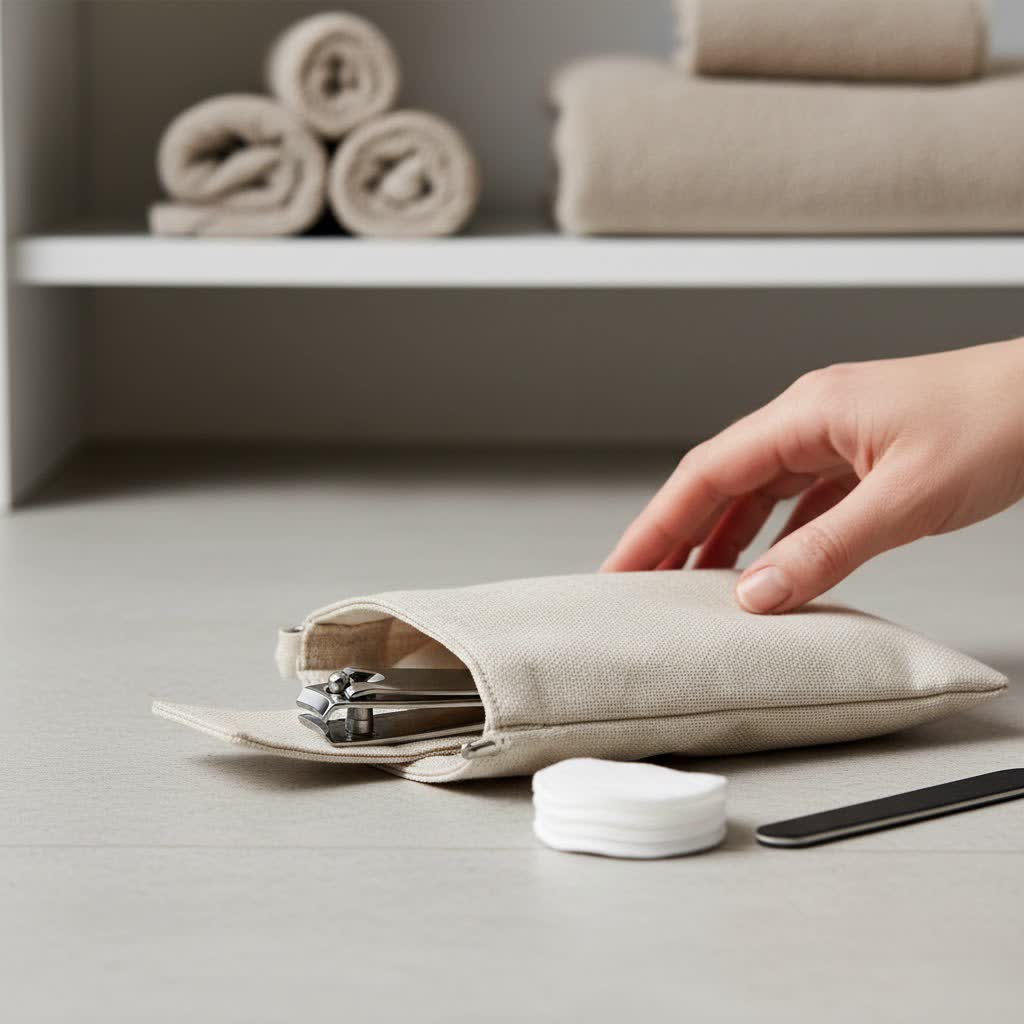
- Storage: Store your clippers in a dry place, ideally with a protective cap or pouch to prevent the blades from dulling or being damaged by contact with other tools.
- Rust Prevention: As even “rust-resistant” stainless steel can succumb to moisture over time, ensure your clippers are thoroughly dry before storing them.
Top Picks: The Sharpest Nail Clippers on the Market
Based on expert recommendations and user satisfaction, several brands consistently stand out for their exceptional sharpness, durability, and ergonomic design.
- Green Bell G-1008/Takuminowaza: Hailing from Japan, Green Bell clippers are legendary for their razor-sharp, precision-ground stainless steel blades and ergonomic design. They provide an incredibly clean, swift cut that often reduces the need for filing. The G-1008 is a highly-rated model, with the G-1205 offering an upgrade with a wider file and larger ergonomic grip.
- Seki Edge SS-112 (Toenail): Another Japanese masterpiece, the Seki Edge SS-112 is specifically lauded for its ability to effortlessly glide through even the toughest toenails. Its curved, stainless-steel blades and ergonomic grip make it a top choice for those needing robust toenail care.
- Harperton Fingernail & Toenail Clippers Set: This set provides ergonomic and precise clippers featuring hand-sharpened stainless-steel blades. They are highly rated for their effectiveness across all nail types, including thick nails.
- EDJY Single Blade Fingernail Cutter: This US-made clipper utilizes a unique single-blade mechanism engineered to slice nails cleanly, rather than crush them. Constructed from hardened stainless steel (60+ HRC) and tested for over 150,000 clean cuts, it’s particularly beneficial for brittle nails, leaving a smooth surface and reducing cracking.
- Tweezerman Stainless Steel Fingernail Clipper: Often cited as a reliable budget-friendly option, Tweezerman clippers are equipped with stainless steel edges for a fast, clean cut. However, some users report inconsistent quality in newer models compared to older versions.
Comparison Table: Choosing Your Ideal Sharp Nail Clipper
| Feature | Lever-Type (Standard) | Pliers-Type (Nipper) | Specialized (e.g., Thick Nail) | Single-Blade (e.g., EDJY) |
|---|---|---|---|---|
| Best For | General use, fingernails | Toenails, thick nails, precision | Very thick, hard nails, specific issues | Fingernails, brittle nails, clean cut |
| Material | Varies, look for stainless steel | High-grade stainless/surgical steel | Heavy-duty stainless steel | Hardened martensitic stainless steel |
| Sharpness | Good (quality dependent) | Excellent, precision | Excellent, robust | Superior slicing action |
| Durability | Varies | High, designed for longevity | Very high | Exceptional (60+ HRC, 150k+ cuts) |
| Ergonomics | Standard lever | Scissor-like handles, leverage | Larger grip, more leverage | Ergonomic lever, better control |
| Blade Shape | Curved (most common) | Curved or straight (for ingrowns) | Straight or curved, wider jaw | Curved (shaped like nails) |
| Approx. Price | Low to Moderate | Moderate to High | Moderate to High | Moderate to High |
Conclusion
The difference a sharp, high-quality nail clipper can make to your nail health and grooming satisfaction is profound. By understanding the types of clippers available, recognizing the importance of superior materials and craftsmanship, and considering essential buying factors, you empower yourself to make a choice that truly benefits your nails. Investing in a well-engineered tool ensures clean, precise cuts, prevents common nail issues, and transforms your routine from a chore into a seamless, satisfying experience. Elevate your nail care game and enjoy the confidence that comes with perfectly groomed nails. What’s your secret to perfectly groomed nails?
Frequently Asked Questions
Why do my nails split when I use clippers?
Nails often split when using dull clippers because they crush the nail plate rather than cutting it cleanly. Sharp, high-quality clippers slice through the nail, preventing this damage and leaving a smooth edge.
How often should I replace my nail clippers?
High-quality stainless steel nail clippers, especially those from reputable brands, can last for many years, even a lifetime, with proper care. You should consider replacing them if the blades become dull, misaligned, or show signs of rust that cannot be removed.
Are straight-edge clippers better than curved ones?
The “better” type depends on your specific needs and nail shape preferences. Straight-edge clippers are generally recommended for toenails to help prevent ingrown nails by encouraging a straight cut across the nail. Curved clippers are more commonly used for fingernails to follow their natural, rounded contour.
Can sharp nail clippers prevent ingrown toenails?
Yes, using sharp, straight-edged toenail clippers can significantly help in preventing ingrown toenails. Trimming the nail straight across, rather than rounding the corners, prevents the nail from growing into the surrounding skin, which is a primary cause of ingrowns.
What material is best for sharp nail clippers?
High-grade stainless steel is widely considered the best material for sharp nail clippers. This includes surgical-grade or high-carbon stainless steel, prized for its ability to retain a sharp edge, resist rust, offer durability, and maintain hygiene.