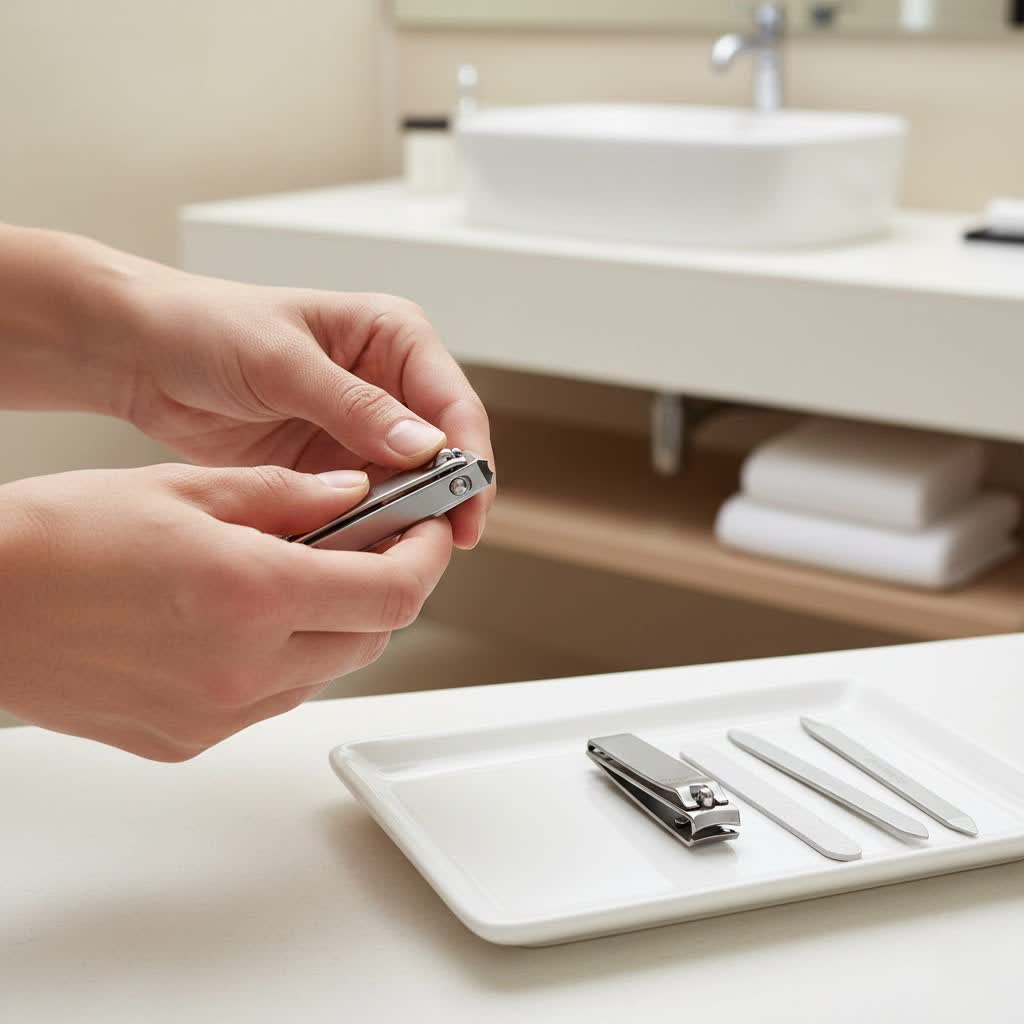
In an era of mass-produced goods, the allure of vintage items often captivates those who appreciate quality, history, and a touch of classic craftsmanship. When it comes to personal grooming, Vintage Nail Clippers stand out as more than just old tools; they are miniature pieces of history, reflecting earlier standards of design, material, and durability. For enthusiasts and collectors, or simply those seeking a more robust alternative to modern options, exploring the world of vintage nail clippers can be a fascinating journey. These cherished implements offer a unique blend of nostalgia and often superior performance, challenging the notion that newer is always better. Join us as we delve into the rich heritage, diverse types, and enduring appeal of vintage nail clippers, helping you understand what makes them so special and how to choose the perfect classic companion for your nail care routine.
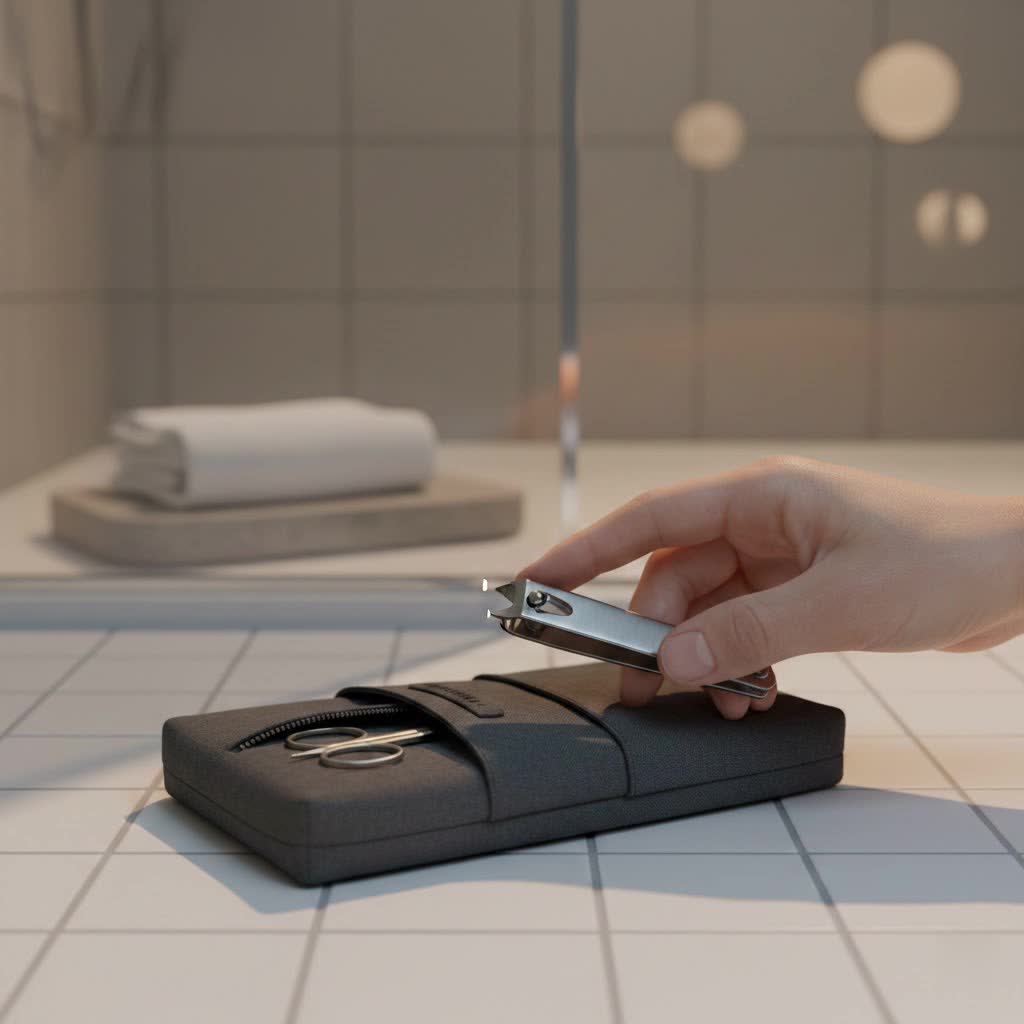
An Overview of Vintage Nail Clippers
Vintage nail clippers are hand tools designed for trimming fingernails and toenails, distinguished by their age, often predating the mid-20th century. Unlike contemporary clippers, these older models frequently boast exceptional build quality, robust materials, and unique design features that speak to a bygone era of manufacturing. Their appeal lies not only in their aesthetic charm but also in their perceived longevity and craftsmanship. Many vintage clippers were built to last, a testament to the materials and engineering standards of their time, making them highly sought after by collectors and practical users alike.
The journey of nail care tools began long before the modern nail clipper, with ancient civilizations using rudimentary instruments like small knives or sharp stones. The concept of specialized nail trimming tools dates back millennia, with references found in ancient texts. For instance, the Book of Deuteronomy from the 8th century BC mentions trimming nails as part of a ritual. Early metal nail trimming devices, resembling modern plier-type clippers, emerged in China in the 10th century and later spread to Europe by the 13th century, primarily among the aristocracy.
The transition from basic cutting implements to what we recognize as a nail clipper represents a significant leap in personal hygiene technology. This evolution, marked by various patented designs and innovations throughout the 19th and early 20th centuries, laid the groundwork for the diverse range of clippers available today. Embracing vintage nail clippers today is a way to connect with this rich history, appreciating the innovation and skill that went into creating these essential grooming tools.
The Evolution of Nail Clippers: A Historical Journey
The history of nail clippers is a fascinating tale of gradual innovation, transforming simple blades into the ergonomic tools we use today. Before the advent of the distinct nail clipper, individuals relied on small knives, scissors, or even just their teeth to manage nail length. Literary references, such as those by Horace around 20 BC, paint a picture of individuals using penknives for nail cleaning, highlighting the lack of dedicated tools.
The first significant step toward modern nail clippers can be traced to the 18th century. A device resembling a modern nail clipper, featuring a single blade sliding along a groove and operated by a thumb-pressed lever, was invented in England in 1770. This design was later patented in the United States by John H. Hollman in 1845. The mid-19th century, specifically the 1850s, saw the rise of steel fingernail clippers, which offered greater durability and efficiency compared to earlier metal or bone versions. These steel clippers gained widespread acceptance, especially after the American Civil War, as hygiene became a more prominent concern.
The late 19th and early 20th centuries were a pivotal period for nail clipper innovation, marked by a flurry of patents and new designs. Valentine Fogerty filed the first U.S. patent for an “improvement in finger-nail trimmers” in 1875. Subsequent patents from inventors like William C. Edge (1876), John H. Hollman (1878), and Eugene Heim and Celestin Matz (1881) refined the clamp-style and lever mechanisms. George H. Coates’s “finger-nail cutter” in 1885 and Hungarian inventor David Gestetner’s patent in 1886 further contributed to the evolving designs. Chapel S. Carter, a key figure in the H. C. Cook Company of Ansonia, Connecticut, secured patents in 1905 and 1922. The H. C. Cook Company, incorporated in 1903, claimed to have introduced the renowned “Gem” brand fingernail clipper as early as 1896, which became a staple for many households.
Another significant development occurred in 1947 when William E. Bassett, founder of the W. E. Bassett Company, introduced the “Trim” brand nail clipper. Bassett’s design built upon the existing jaw-style clipper, incorporating improvements such as nibs to prevent lateral movement, a notched rivet, and a thumb-swerve in the lever for enhanced functionality and comfort. The 1920s also saw the invention of spring-loaded fingernail clippers, which featured an automatic blade-opening mechanism, further improving user experience. These innovations collectively shaped the modern nail clipper, solidifying its place as an indispensable grooming tool.
Common Types of Vintage Nail Clippers
Vintage nail clippers, while sharing the fundamental purpose of trimming nails, come in various forms, each with distinct design principles and uses. Understanding these types is crucial for both collectors and those looking to find a functional piece of history.
Compound Lever-Type Nail Clippers
|
Our Picks for the Best Nail Clippers in 2026
We may earn a commission when you use one of our links to make a purchase.
|
||
| Num | Product | Action |
|---|---|---|
| 1 | Nail Clipper Set,Premium Stainless Steel Fingernail and Toenail Clipper Cutters with Nail File, Sharp Effortless Nail Clippers Set for Men & Women(Silver) |

|
| 2 | Ultra Sharp Nail Clippers Set - 2 Pack Stainless Steel Fingernail & Toenail Trimmers with Built-in Nail File for Women & Seniors (Silver) |
|
| 3 | SZQHT Ultra Wide Jaw Opening Nail Clippers Set, Toenail Clippers for Thick Nails, Heavy Duty Nail Cutter, Stainless Steel Toe Nail Clippers for Seniors, Men & Women Manicure,Pedicure,Big(Black) |
|
| 4 | Toenail Clippers for Thick Toenails for Seniors, Angled Head Large Toe Nail Clippers for Thick Nails for Men, Heavy Duty Ingrown Toenail Clippers with Wide Jaw, Sharp Slanted Nail Cutter Black |
|
| 5 | HAWATOUR Nail Clippers Set, Ultra Sharp Sturdy Fingernail and Toenail Clipper Cutters with Visibly Tin Case, Silver |
|
| 6 | 2026 Upgraded 3-in-1 Electric Nail Clipper,Rechargeable Electric Nail File & Toenails, 6 Speeds with LED Light & Nail Debris Storage,Suitable for Children,Adults,Seniors to use Electric Nail Trimmer |
|
| 7 | 4-in-1 Electric Nail Clipper with LED Light – Quiet Rechargeable Nail Grooming Kit, Grinder & Polisher, 2 Speed, Nail Debris Collector, Portable Gift Set |
|
| 8 | Upgraded Toenail Clippers for Thick Toenails for Seniors, Angled Head Large Toe Nail Clippers Set for Men, Heavy Duty Ingrown Toenail Clippers Long Handled, Ultra Sharp Slanted Nail Cutter Wide Jaw |
|
| 9 | Toenail Clippers for Seniors Thick Toenails, Aucurwen Heavy Duty Toe Nail Clippers Adult Thick Nails Long Handle, Large Toenail Clippers for Thick Nails 7Pcs |
|
| 10 | HAWATOUR Nail Clippers Set, Ultra Sharp Sturdy Fingernail and Toenail Clipper Cutters with Visibly Tin Case, Black |
|
This is the most common design we associate with modern nail clippers, characterized by a compound lever system where pressure on one lever (usually by the thumb) closes the blades. These clippers typically feature a small, often detachable, file for smoothing nail edges. Vintage compound lever-type clippers from brands like Gem (H.C. Cook Co.) or Trim (W.E. Bassett Company) are highly recognizable. They were prized for their efficiency and compact size, making them suitable for everyday use and travel. Many incorporate a clever locking mechanism or a design that allows the lever to fold flat, making them pocket-friendly.
Plier-Type Nail Clippers
Often larger and more robust, plier-type nail clippers feature two metal blades hinged at one end and handles at the other. Operating much like a pair of pliers, they require squeezing the handles together to close the blades. These clippers are generally sturdier and were (and still are) favored for thicker or harder nails, particularly toenails. Early metal nail clippers from China in the 10th century were similar in design. Vintage plier-type clippers often showcase impressive craftsmanship, with strong joints and heavy-duty construction that speak to their intended use. Some older models might feature elaborate handles or decorative elements.
Specialty Vintage Nail Clippers
Beyond the two main categories, the vintage market also offers specialty clippers designed for specific purposes:
- Concave vs. Convex Blades: Just like today, vintage clippers came with different blade curvatures. Clippers with concave (curved inward) blades were typically for fingernails, providing a clean, straight-across cut. Those with convex (curved outward) blades were designed for toenails, accommodating their natural curve and often being larger to handle thicker nails.
- Integrated Tools: Many vintage clippers were part of broader manicure sets or featured integrated tools like files, cuticle pushers, or even small knives and bottle openers, especially in travel or multi-tool variants.
- Baby Nail Clippers: Smaller, often more delicate versions were made for infant nail care, emphasizing safety and precision.
The diversity in vintage nail clipper types highlights not only the ingenuity of past manufacturers but also the evolving understanding of nail care needs over time. Each type offers a glimpse into the design philosophies and functional priorities of its era.
Identifying and Collecting Vintage Nail Clippers
Collecting vintage nail clippers is a niche hobby that blends an appreciation for history, craftsmanship, and the practical art of personal grooming. Identifying authentic and valuable pieces requires a keen eye for detail and knowledge of key indicators.
Key Features to Look For
When examining vintage nail clippers, several features can help determine their age, origin, and potential value:
- Materials: Most high-quality vintage clippers are made from stainless steel or carbon steel. Stainless steel indicates resistance to rust, while carbon steel, though requiring more care, was known for its exceptional sharpness. Older pieces might show signs of tarnishing or light rust if not meticulously maintained.
- Markings and Patents: Look for engraved or stamped brand names, patent numbers, and “Made in” designations (e.g., “Made in USA,” “Solingen Germany”). Patent dates, often found on the lever or body, are crucial for dating the clipper. For example, the H. C. Cook Company’s “Gem” brand frequently displays patent information.
- Unique Designs: Vintage clippers often feature design elements not commonly found today. This could include intricate etching, specific locking mechanisms, unique lever shapes, or integrated tools like fold-out files that differ from modern attachments. Some might have distinct art deco styling or a heavier, more solid feel.
- Construction: Observe the quality of the hinges, rivets, and overall assembly. Older, well-made clippers often exhibit tighter tolerances and a more precise feel than many modern, mass-produced counterparts.
Popular Vintage Brands
Certain brands consistently appear in the vintage nail clipper market, known for their quality and historical significance:
- Gem (H.C. Cook Company): One of the earliest and most iconic American brands, Gem clippers are highly collectible. Their designs, often featuring patent dates from the late 19th and early 20th centuries, are a cornerstone of many collections.
- Trim (W.E. Bassett Company): Introduced in 1947, Trim clippers are considered vintage from the mid-20th century onwards. They are known for their reliable jaw-style design and often come with distinct improvements like the thumb-swerve lever.
- La Cross (Schnefel Bros.): Another prominent American brand, La Cross produced a wide range of manicure tools, including durable nail clippers, often found in vintage grooming kits.
- Millers Forge: Renowned for high-quality steel implements, Millers Forge clippers are sought after for their sharpness and robust construction, often marked “Made in USA.”
- Solingen (Germany): While not a single brand, “Solingen” is a geographical indication for high-quality cutlery and grooming tools made in Solingen, Germany. Vintage clippers bearing this mark are generally considered superior in material and craftsmanship.
Condition Assessment
When collecting, condition is paramount:
- Rust and Corrosion: Minor surface rust might be acceptable on very old pieces and can sometimes be carefully removed, but deep pitting or structural corrosion significantly reduces value and usability.
- Sharpness and Alignment: The blades should be sharp and align perfectly. A dull or misaligned blade may indicate wear or damage.
- Intactness: Ensure all original parts are present and functional, including any integrated files or locking mechanisms.
Where to Find Them
Vintage nail clippers can be discovered in various places:
- Antique Shops and Flea Markets: Physical locations offer the chance to inspect items firsthand.
- Online Marketplaces: Websites like eBay and Etsy are treasure troves for vintage clippers, offering a wide selection from around the world. Search for terms like “antique nail clippers,” “old nail cutters,” or specific brand names.
- Estate Sales and Auctions: These can yield rare and unique pieces, sometimes as part of larger grooming sets.
Collecting vintage nail clippers is a journey of discovery, offering both functional tools and fascinating insights into the history of personal care.
Choosing the Right Vintage Nail Clippers: A Buyer’s Guide
Selecting a vintage nail clipper, whether for collection or practical use, involves considering several factors to ensure you acquire a piece that meets your expectations for quality, functionality, and historical value.
Key Factors to Consider
- Material:
- Stainless Steel: Look for vintage clippers made of high-quality stainless steel. This material is durable, resistant to rust and corrosion, and easy to clean, ensuring longevity and hygiene. Many reputable brands from the mid-20th century utilized excellent stainless steel.
- Carbon Steel: Earlier vintage clippers might be made of carbon steel. While known for its ability to hold a very sharp edge, carbon steel is more prone to rust and requires meticulous care, including drying thoroughly after use and occasional oiling.
- Sharpness and Blade Durability: The primary function of a nail clipper is a clean cut. For practical use, the blades must be sharp and properly aligned. Inspect for any nicks, dull spots, or gaps when the blades are closed. Even if a clipper is visually appealing, poor blade condition can render it unusable.
- Design and Ergonomics:
- Hand Fit: Consider how the clipper fits in your hand. Older designs can vary significantly in size and shape. A comfortable grip is essential for precise and safe nail trimming.
- Lever Mechanism: Test the lever action. It should operate smoothly and provide sufficient leverage without excessive force. For compound lever types, check the tension of the spring.
- Blade Curvature: Decide between concave (for fingernails) and convex (for toenails) blades based on your primary need.
- Brand Reputation and Historical Significance: Opt for well-known vintage brands like Gem, Trim, La Cross, or Millers Forge. These brands often indicate a higher standard of original manufacturing. For collectors, brands with unique patent dates or design firsts hold greater historical appeal.
- Condition: Assess the overall condition, as detailed in the previous section. Minor cosmetic imperfections might be acceptable, but ensure structural integrity and blade functionality are uncompromised.
- Price: Vintage clipper prices vary widely based on rarity, brand, condition, and seller. Research comparable sales on online marketplaces to get a sense of fair market value. Don’t overpay for a common item in poor condition, but be prepared to invest in a truly rare or pristine piece.
Where to Purchase Vintage Nail Clippers
- Specialty Antique Dealers: These sellers often have expertise and can authenticate items, though prices may be higher.
- Online Auction Sites (e.g., eBay): A vast selection, but requires careful review of photos and seller descriptions. Look for “new old stock” (NOS) for unused vintage items.
- Online Craft and Vintage Marketplaces (e.g., Etsy): Often feature curated selections from individual sellers, potentially offering unique or refurbished pieces.
- Flea Markets and Estate Sales: Great for finding hidden gems at potentially lower prices, but require more diligent inspection.
Care and Maintenance for Vintage Nail Clippers
To ensure your vintage nail clippers remain functional and beautiful for years to come:
- Cleaning: After each use, wipe the blades clean. If necessary, use a small brush and rubbing alcohol to disinfect.
- Drying: Always dry carbon steel clippers thoroughly to prevent rust. Even stainless steel benefits from complete drying.
- Lubrication: For clippers with moving parts, especially older ones, a tiny drop of mineral oil or a specialized tool oil on the pivot points can maintain smooth operation.
- Storage: Store in a dry environment, ideally in a leather pouch or a protective case, to prevent moisture exposure and physical damage.
- Sharpening: If a vintage clipper loses its edge, consider professional sharpening by a specialist who understands antique tools to preserve its integrity.
Choosing and caring for vintage nail clippers is a rewarding experience, allowing you to own a piece of history that continues to perform its essential function with style and reliability.
Top Picks: Noteworthy Vintage Nail Clipper Brands and Models
The world of vintage nail clippers is rich with brands that once dominated the market, known for their innovative designs and exceptional quality. While “top picks” can be subjective and availability varies, certain brands consistently stand out to collectors and users for their enduring craftsmanship.
Gem (H.C. Cook Company, Ansonia, CT, USA)
The Gem brand is arguably one of the most iconic names in vintage nail clippers. Produced by the H.C. Cook Company, these clippers trace their origins back to the late 19th century, with the brand claiming an introduction in 1896. Gem clippers are celebrated for their classic compound lever design, often featuring patent dates stamped on the lever or body, which helps in dating the specific piece. Many vintage Gem models are made from durable steel and offer a crisp, precise cut. Collectors often seek out the various iterations of the “Gem Jr.” series, known for their compact size and reliable functionality, sometimes even found with integrated files or unique locking mechanisms. The enduring presence of Gem clippers on the vintage market is a testament to their original quality and widespread popularity.
Trim (W.E. Bassett Company, Derby, CT, USA)
The Trim brand, developed by William E. Bassett in 1947, represents a significant post-World War II advancement in nail clipper design. While technically from the mid-20th century, many early Trim models are highly regarded as vintage items. Bassett’s innovations, such as the improved jaw-style design with nibs to prevent lateral movement of the blades and a thumb-swerve in the lever for better ergonomics, set new industry standards. Vintage Trim clippers are often found in excellent working condition, showcasing the practical and thoughtful engineering that went into their production. They are a reliable choice for those seeking a vintage clipper that still offers modern-day usability and comfort.
La Cross (Schnefel Bros., Newark, NJ, USA)
La Cross was a prominent American manufacturer of a wide array of manicure and pedicure tools, including high-quality nail clippers, often found as part of comprehensive vintage grooming sets. Their clippers from the early to mid-20th century are known for their sturdy construction and often feature intricate etching or decorative patterns on the metal. La Cross clippers were typically made from good quality steel, providing a dependable cutting edge. Collectors appreciate the variety of designs and the overall aesthetic appeal of La Cross tools, which frequently reflect the stylistic trends of their era.
Millers Forge (USA)
Millers Forge has a long-standing reputation for producing professional-grade grooming tools, and their vintage nail clippers are no exception. Often marked “Made in USA,” these clippers are prized for their heavy-duty construction and robust steel quality. Millers Forge clippers, particularly their larger plier-type models, are known for their exceptional sharpness and durability, making them ideal for thicker nails. For those who prioritize performance and a lasting edge, a vintage Millers Forge clipper can be a superior choice that outlasts many modern alternatives.
Solingen (Germany)
While not a single brand, the Solingen designation signifies a region in Germany renowned for its high-quality cutlery and tool manufacturing. Vintage nail clippers bearing the “Solingen” mark (often accompanied by specific brand names like Dovo, KAI, or others) are highly sought after. These clippers are synonymous with precision engineering, superior steel, and meticulous craftsmanship. A vintage Solingen nail clipper is often characterized by its fine finish, smooth operation, and remarkable sharpness, embodying European excellence in grooming tool production.
These brands represent some of the finest examples of vintage nail clipper manufacturing. Each offers a blend of historical significance, unique design, and often, a level of quality and durability that makes them compelling choices for enthusiasts and practical users alike.
Conclusion
The journey through the world of vintage nail clippers reveals more than just old tools; it uncovers a rich tapestry of ingenuity, enduring craftsmanship, and a tangible connection to the past. From the rudimentary knives of ancient civilizations to the precision-engineered lever-action clippers of the late 19th and early 20th centuries, these essential grooming instruments have undergone a remarkable evolution. Vintage models, particularly those from esteemed brands like Gem, Trim, La Cross, and Millers Forge, stand as testaments to a time when products were built to last, often surpassing their modern counterparts in durability and thoughtful design.
Choosing a vintage nail clipper means investing in a piece of history that not only performs its function with reliable efficiency but also carries a story. It’s about appreciating the robust materials, the careful construction, and the subtle design nuances that define an era of quality manufacturing. Whether you are a dedicated collector, an admirer of antique aesthetics, or simply someone seeking a more dependable and unique nail care tool, vintage nail clippers offer a compelling alternative. They remind us that sometimes, the best tools are those that have already stood the test of time.
Why settle for the fleeting trends of today when you can hold a piece of history in your hand? Explore the timeless appeal of vintage nail clippers and elevate your grooming routine with a touch of classic excellence.
Frequently Asked Questions
What makes a nail clipper “vintage” or “antique”?
Generally, a nail clipper is considered “vintage” if it is at least 20-30 years old, while “antique” refers to items typically 100 years or older. The specific design, material, and brand markings also play a crucial role, often reflecting manufacturing styles from before the mid-20th century.
Are vintage nail clippers safe and hygienic to use?
Yes, vintage nail clippers can be perfectly safe and hygienic if properly cleaned, sterilized, and maintained. It’s crucial to thoroughly clean and disinfect any pre-owned tool before use. Always inspect blades for rust or damage that could impair function or hygiene.
Can old nail clippers be sharpened?
Many high-quality vintage nail clippers, especially those made from good steel, can indeed be professionally sharpened. It’s best to seek a specialist who has experience with antique tools to ensure the original blade integrity and design are preserved during the sharpening process.
What are some signs of a high-quality vintage nail clipper?
High-quality vintage clippers often feature clear brand names or patent dates, robust construction with tight joints, smooth lever action, and high-grade materials like stainless or carbon steel. A crisp, clean cut and minimal play in the moving parts are also good indicators.
Where can I buy authentic vintage nail clippers?
Authentic vintage nail clippers can be found at antique shops, flea markets, estate sales, and online marketplaces such as eBay and Etsy. When buying online, carefully examine product photos and read seller descriptions, looking for details on condition, brand, and provenance.