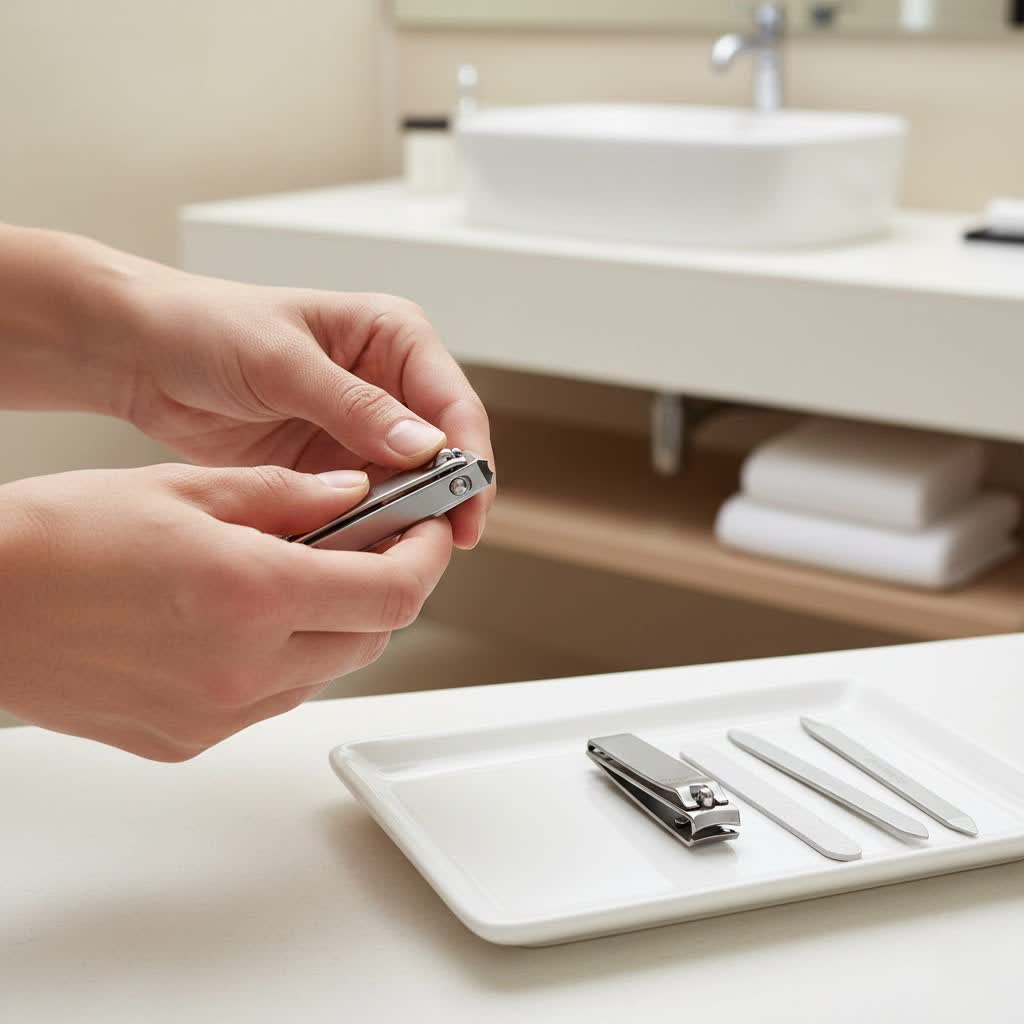
Maintaining well-groomed nails is a small but significant act of self-care, reflecting attention to detail and overall hygiene. The foundation of effective nail care lies not just in technique, but in the quality of your tools. Among the myriad options available, Stainless Steel Nail Clippers stand out as the gold standard, promising unmatched precision, enduring sharpness, and superior hygiene. If you’ve ever struggled with flimsy clippers that bend, rust, or fail to deliver a clean cut, understanding the benefits of stainless steel is your first step towards a flawless manicure or pedicure. This comprehensive guide will explore everything you need to know about these essential grooming tools, helping you make an informed choice for healthier, beautifully trimmed nails.
Overview of Nail Clippers
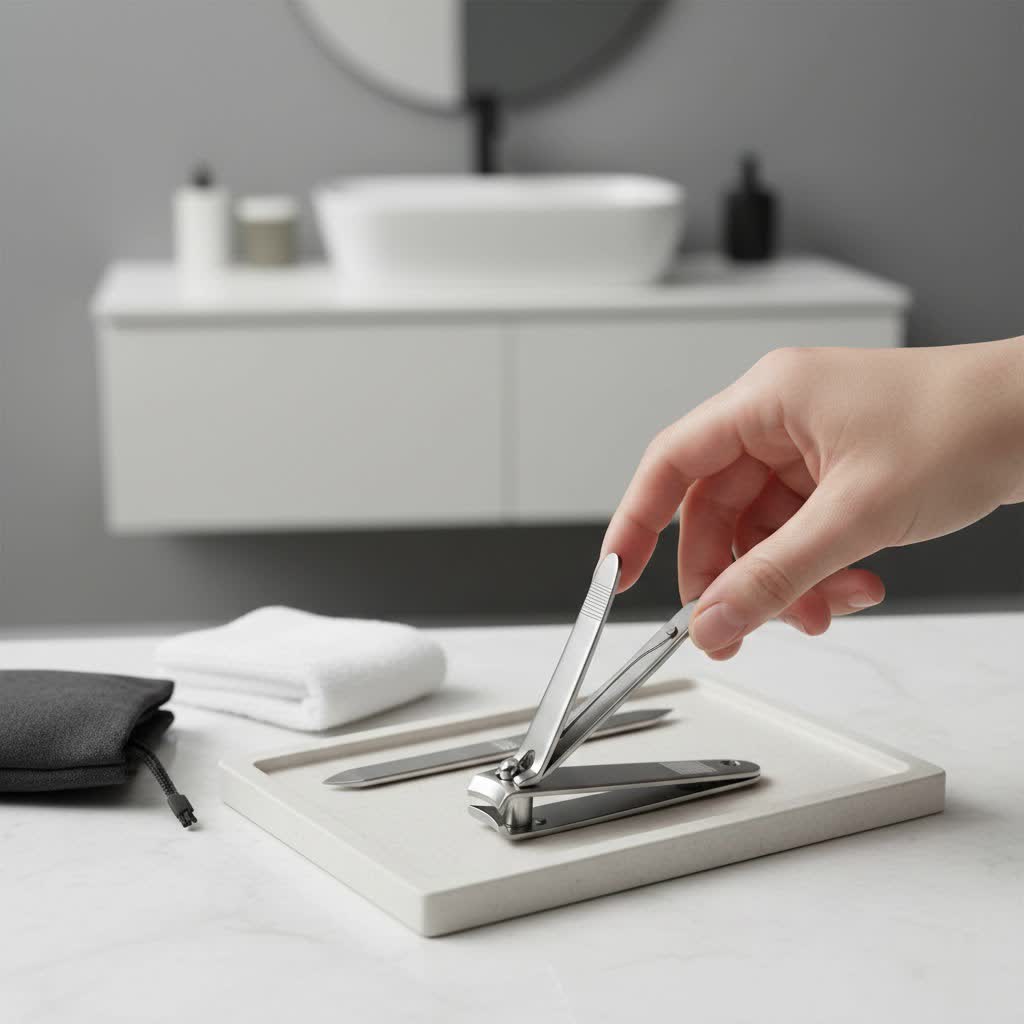
Nail clippers are ubiquitous personal grooming tools designed for trimming fingernails and toenails. From simple lever-action devices to more sophisticated plier-style implements, their core function remains consistent: to provide a clean and efficient cut. While their exact origin is debated, nail trimming has been a human practice for millennia, evolving from rudimentary knives and shears to the refined instruments we use today. Modern nail clippers prioritize user comfort, safety, and precision.
The market offers a variety of nail clippers, typically categorized by their mechanism and intended use. The most common types include the classic lever-type clippers, which many people are familiar with, and the more robust plier-type clippers or nippers, often favored for tougher nails. Specialized versions cater to specific needs, such as smaller designs for children or enhanced leverage for thick toenails. Regardless of the type, the material and craftsmanship are paramount to a clipper’s performance and longevity.
Popular Types of Nail Clippers
Choosing the right nail clipper depends largely on your nail type, personal preference, and the specific task at hand. While stainless steel is a material choice, clippers also come in different mechanical designs.
Lever-Type Clippers
The most recognizable type, lever-type clippers feature two sharp, opposing blades that come together when a lever is pressed. These are widely used for general fingernail trimming due to their compact size and ease of use.
- Advantages: They are convenient, portable, and typically affordable. Many come with integrated nail files. Their design makes them easy to store.
- Disadvantages: May lack the leverage needed for very thick or hard nails. Lower-quality models can become dull quickly or misalign, leading to jagged cuts.
- Usage: Ideal for regular maintenance of fingernails.
|
Our Picks for the Best Nail Clippers in 2026
We may earn a commission when you use one of our links to make a purchase.
|
||
| Num | Product | Action |
|---|---|---|
| 1 | Toenail Clippers for Thick Toenails for Seniors, Angled Head Large Toe Nail Clippers for Thick Nails for Men, Heavy Duty Ingrown Toenail Clippers with Wide Jaw, Sharp Slanted Nail Cutter Black |

|
| 2 | HAWATOUR Nail Clippers Set, Ultra Sharp Sturdy Fingernail and Toenail Clipper Cutters with Visibly Tin Case, Black |
|
| 3 | Ultra Sharp Nail Clippers Set - 2 Pack Stainless Steel Fingernail & Toenail Trimmers with Built-in Nail File for Women & Seniors (Silver) |
|
| 4 | Upgraded Toenail Clippers for Thick Toenails for Seniors, Angled Head Large Toe Nail Clippers Set for Men, Heavy Duty Ingrown Toenail Clippers Long Handled, Ultra Sharp Slanted Nail Cutter Wide Jaw |
|
| 5 | Nail Clipper Set,Premium Stainless Steel Fingernail and Toenail Clipper Cutters with Nail File, Sharp Effortless Nail Clippers Set for Men & Women(Silver) |
|
| 6 | HAWATOUR Nail Clippers Set, Ultra Sharp Sturdy Fingernail and Toenail Clipper Cutters with Visibly Tin Case, Silver |
|
| 7 | SZQHT Ultra Wide Jaw Opening Nail Clippers Set, Toenail Clippers for Thick Nails, Heavy Duty Nail Cutter, Stainless Steel Toe Nail Clippers for Seniors, Men & Women Manicure,Pedicure,Big(Black) |
|
| 8 | 2026 Upgraded 3-in-1 Electric Nail Clipper,Rechargeable Electric Nail File & Toenails, 6 Speeds with LED Light & Nail Debris Storage,Suitable for Children,Adults,Seniors to use Electric Nail Trimmer |
|
| 9 | Toenail Clippers for Seniors Thick Toenails, Aucurwen Heavy Duty Toe Nail Clippers Adult Thick Nails Long Handle, Large Toenail Clippers for Thick Nails 7Pcs |
|
| 10 | 4-in-1 Electric Nail Clipper with LED Light – Quiet Rechargeable Nail Grooming Kit, Grinder & Polisher, 2 Speed, Nail Debris Collector, Portable Gift Set |
|
Plier-Type Clippers (Nippers)
Often resembling small pliers, these clippers offer greater control and leverage, making them suitable for tougher nails, particularly toenails. They usually have longer handles and a spring mechanism.
- Advantages: Provide superior force for precise cuts on thick or ingrown nails. The ergonomic handles offer a comfortable grip and enhanced control.
- Disadvantages: Can be larger and less portable than lever-type clippers. May require more careful handling to avoid accidental nicks due to their sharper, more powerful blades.
- Usage: Excellent for toenails, especially those that are thick or prone to ingrowth, and can be used by professionals for precision work.
Nail Clippers for Children
Designed with safety in mind, children’s nail clippers are typically smaller, sometimes featuring rounded edges or magnifying glasses to aid parents.
- Characteristics: Smaller blade size to fit tiny nails, often with ergonomic handles for a secure grip, and sometimes come with safety guards.
- Selection Criteria: Prioritize safety, ease of use for the parent, and a gentle cutting action to prevent injury. Stainless steel models ensure hygiene and sharpness.
Specialized Nail Clippers
Certain nail conditions or types require specialized tools for optimal care.
- For Thick Nails: Larger, more robust clippers, often plier-style, with a wider jaw opening and extra leverage are essential. These prevent crushing or splitting thick nails.
- For Toenails: Toenail clippers generally have a straighter cutting edge compared to the curved blades of fingernail clippers. This design helps prevent ingrown toenails by encouraging a straight cut. They are also typically larger and sturdier.
- For Ingrown Nails: Nippers with fine, pointed blades are specifically designed to carefully trim difficult-to-reach areas or ingrown nail edges, requiring precision and a delicate touch.
Comparison of Nail Clipper Materials
The material of a nail clipper is a critical factor influencing its performance, durability, and hygiene. While many materials are used, stainless steel, particularly high carbon variants, consistently ranks as the best choice.
| Material | Durability | Sharpness & Retention | Rust Resistance | Hygiene & Maintenance | Cost | Ideal Use |
|---|---|---|---|---|---|---|
| Standard Stainless Steel | High; resistant to bending and breaking | Good, but can dull over time | Very High | Excellent; non-porous, easy to clean | Moderate | General use, fingernails, light toenail trimming |
| High Carbon Stainless Steel | Excellent; robust, maintains structural integrity | Superior; retains sharpness for longer | Very High | Excellent; often surgical-grade, easy to sterilize | Higher | Professional use, thick nails, all-around best |
| Carbon Steel | High; very hard | Exceptional; incredibly sharp | Low; highly prone to rust | Requires careful drying and oiling | Moderate | Professional use where maximum sharpness is key, but needs maintenance |
| Die-Cast Zinc | Moderate to High; cost-effective | Moderate; can dull with use | Moderate | Fair; can be cleaned, but less non-porous | Low | Budget-friendly, basic use |
| Titanium-Coated | High; coating enhances durability | Excellent; smooth, precise cut | High | Good; easy to clean | High | High-end clippers, enhanced performance |
| Plastic | Low; prone to breaking, blades can loosen | Poor; blades dull quickly | N/A (blades usually metal) | Fair; lightweight, but may harbor bacteria | Very Low | Travel, disposable, occasional light use |
> “Stainless steel is the gold standard for nail clippers, and here’s why: Durability, sharpness, hygiene, and aesthetic appeal.” – Horizon, Nail Tools Manufacturer
Guide to Choosing Stainless Steel Nail Clippers
Selecting the perfect stainless steel nail clipper can seem daunting with so many options. However, by focusing on key criteria, you can find a tool that delivers exceptional performance and lasts for years.
Factors to Consider When Choosing Nail Clippers
- Material Quality (Focus on Stainless Steel):
- High-Grade Stainless Steel: Look for clippers made from “high-grade” or “surgical-grade” stainless steel. This indicates a higher quality alloy that is more resistant to rust, corrosion, and wear.
- High Carbon Stainless Steel: This is often considered the best choice. It combines the rust resistance of stainless steel with the hardness of carbon, resulting in blades that are not only durable but also incredibly sharp and retain their edge for extended periods [cite: 5 in first search; 1 in second search]. Avoid low-quality stainless steel, which can still be susceptible to rusting and may not hold a sharp edge [cite: 3 in second search].
- Blade Sharpness and Durability:
- Precision-Ground Edges: High-quality stainless steel blades are precision-ground, not just bent, ensuring a clean, smooth cut without tearing or crushing the nail [cite: 3 in third search]. A truly sharp clipper will cut effortlessly in one snip [cite: 1 in third search].
- Blade Alignment: Hold the clipper up to the light and ensure there is no gap between the blades, and that they align perfectly. Misaligned blades will result in uneven cuts and frustration [cite: 3 in third search].
- Hardness: Hard steel is crucial for longevity and sharpness retention. While difficult to test directly, reputable brands using high-carbon stainless steel will offer this [cite: 2 in third search].
- Design and Ergonomics:
- Comfortable Grip: The clipper should feel comfortable and secure in your hand. Look for non-slip handles or an ergonomic design that provides firm control, reducing the risk of accidental slips [cite: 1 in third search].
- Size and Type for Specific Use: Choose a smaller, curved-blade clipper for fingernails and a larger, straight-edge clipper for toenails. If you have particularly thick toenails or small hands, consider plier-type clippers for better leverage and control [cite: 5 in third search].
- Construction: Inspect the construction. High-quality clippers use strong rivets and a secure pin-and-post design that won’t loosen over time, ensuring stability during use [cite: 2 in third search].
- Reputable Brands: While not always about specific names, established brands often have a reputation for using high-quality materials and manufacturing processes. They tend to offer better consistency and customer support.
- Price vs. Value: While inexpensive clippers are abundant, investing in a high-quality stainless steel clipper is a long-term investment. They last longer, perform better, and contribute to healthier nails, ultimately offering better value than frequently replacing cheap, ineffective tools [cite: 1, 2 in first search; 2 in third search].
Where to Buy Nail Clippers
Quality stainless steel nail clippers can be found at specialized beauty supply stores, high-end department stores, and reputable online retailers. Look for stores that clearly detail the material and manufacturing process of their products.
How to Maintain Stainless Steel Nail Clippers
Proper maintenance extends the life and performance of your clippers:
- Clean After Each Use: Wipe the blades clean with a cloth or brush to remove nail debris. For thorough sanitation, especially if used by multiple people, disinfect with rubbing alcohol [cite: 4 in first search].
- Dry Thoroughly: Although stainless steel is rust-resistant, always dry your clippers completely after washing or disinfecting to prevent water spots and ensure longevity [cite: 3 in second search].
- Store Properly: Keep clippers in a dry place, ideally in a protective pouch or case, to prevent damage to the blades and exposure to excessive moisture.
Key Features of Top-Performing Stainless Steel Nail Clippers
What truly distinguishes a top-performing stainless steel nail clipper from the rest? It boils down to a combination of meticulous design, superior material, and thoughtful features that enhance the user experience and nail health.
- Precision-Engineered Blades: The hallmark of an excellent stainless steel clipper is its ability to deliver a remarkably clean and accurate cut. This stems from blades that are not merely sharp but also perfectly aligned and honed to a fine edge. They slice through nails rather than crushing them, minimizing the risk of splits, cracks, or jagged edges. This level of precision is often achieved through advanced manufacturing techniques and hand-sharpening processes, particularly with high-carbon stainless steel.
- Ergonomic and Stable Design: A comfortable and secure grip is paramount for control and safety. Top-tier clippers feature ergonomic handles, often with anti-slip textures or thoughtful contours, ensuring the tool sits naturally in your hand. The overall construction should feel solid, with no wobbling or looseness in the pivot point, guaranteeing stability during use. This robust construction is essential for applying consistent pressure without discomfort or fear of slipping.
- Optimal Leverage: For efficient trimming, especially of tougher toenails, the clipper needs to provide sufficient leverage. High-quality stainless steel clippers are engineered to translate minimal effort into maximum cutting power, making the trimming process smooth and easy. This design aspect is particularly noticeable in plier-type clippers, where the longer handles contribute significantly to leverage.
- Integrated Functionality: Many premium stainless steel clippers offer additional practical features. A built-in nail file, while sometimes basic, can be surprisingly useful for smoothing rough edges after clipping. Some designs also incorporate a nail catcher, which prevents clippings from scattering, contributing to a cleaner grooming experience. While these aren’t essential for performance, they add convenience and elevate the overall utility of the tool.
- True Corrosion Resistance: While all stainless steel resists rust to some extent, the best clippers boast exceptional corrosion resistance, even in humid bathroom environments. This property is crucial for maintaining hygiene and ensuring the tool remains aesthetically pleasing and functional over many years of contact with moisture. This durability is a key reason why high-grade stainless steel is preferred.
Conclusion
Choosing the right nail clipper is more than a simple purchase; it’s an investment in your personal hygiene, comfort, and the overall health of your nails. As we’ve explored, stainless steel nail clippers consistently outperform alternatives due to their inherent durability, superior sharpness, and ease of maintenance. By opting for high-grade or high-carbon stainless steel, you equip yourself with a tool that provides precise, clean cuts, resists rust and corrosion, and remains hygienic for years to come. Remember to consider factors like blade quality, ergonomic design, and suitability for your specific nail types when making your selection.
Don’t settle for less when it comes to your grooming essentials. Elevate your nail care routine with a dependable stainless steel nail clipper that you can trust. What qualities do you value most in your nail grooming tools?
Frequently Asked Questions
What makes stainless steel superior for nail clippers?
Stainless steel is prized for its exceptional durability, resistance to rust and corrosion, and its ability to maintain a sharp edge. Its non-porous surface also makes it highly hygienic and easy to clean, preventing bacterial buildup.
Can all stainless steel nail clippers prevent rust?
While stainless steel is generally rust-resistant, low-quality stainless steel can still be susceptible to corrosion over time. Opting for high-grade or high-carbon stainless steel clippers offers superior rust prevention.
What is the difference between curved and straight-edge stainless steel clippers?
Curved-edge clippers are ideal for fingernails, following their natural shape. Straight-edge clippers are recommended for toenails, as they help prevent ingrown nails by encouraging a straight cut across the nail.
How often should I replace my stainless steel nail clippers?
High-quality stainless steel nail clippers, especially those made from high-carbon surgical steel, are designed to last for many years, even decades, with proper care. You should only need to replace them if the blades become permanently dull, misaligned, or if the mechanism breaks.
How do I clean and sanitize my stainless steel nail clippers?
After each use, wipe them clean of nail debris. For deeper cleaning, wash with soap and water, then dry thoroughly. You can also disinfect them with rubbing alcohol or a specialized tool sanitizer to ensure optimal hygiene.