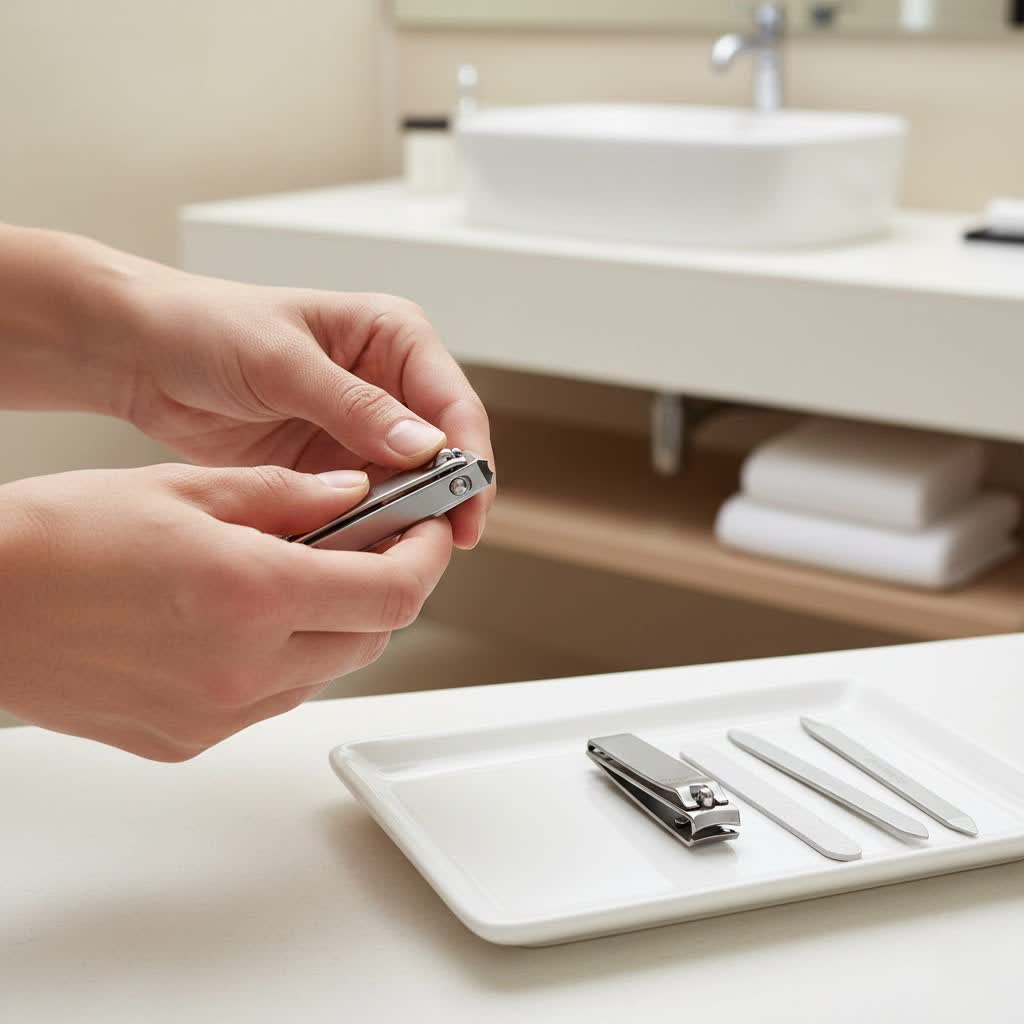
Maintaining immaculate nails goes beyond mere aesthetics; it’s a vital component of personal hygiene and overall well-being. While many of us settle for any nail clipper we can find, the discerning individual, or anyone serious about nail health, understands that not all tools are created equal. Professional Nail Clippers stand apart from their everyday counterparts, offering superior precision, durability, and ergonomic design, transforming a routine chore into an experience of effortless care. If you’ve ever struggled with jagged edges, nail splitting, or an uncomfortable grip, it’s time to discover the world of professional nail clippers. This guide will navigate through their diverse types, essential features, and top recommendations, helping you choose the perfect tool to achieve salon-quality results right at home.
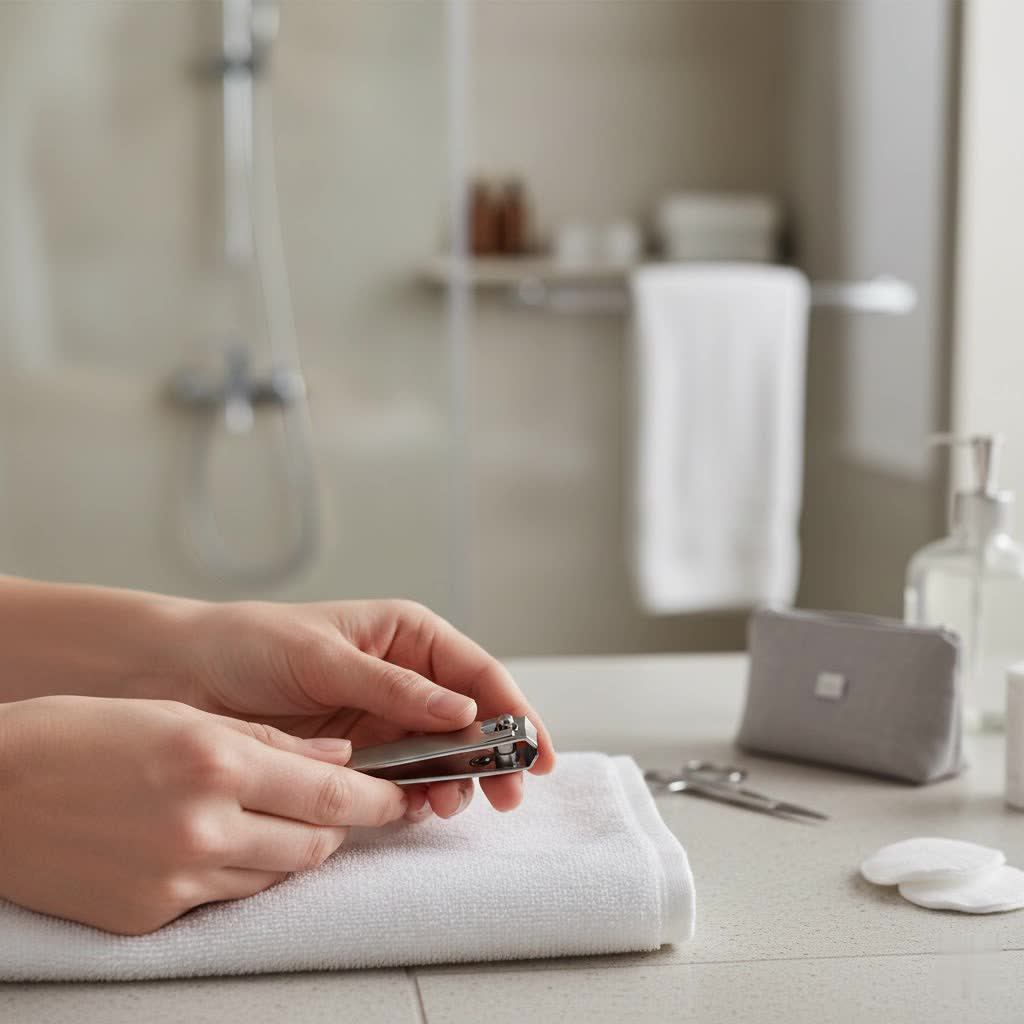
Understanding Professional Nail Clippers
What exactly defines a “professional” nail clipper, and why should you consider investing in one? The distinction lies in several key areas: material quality, sharpness, precision, and overall craftsmanship. Unlike standard clippers that might dull quickly or offer imprecise cuts, professional-grade tools are engineered for performance and longevity, ensuring a clean, healthy trim every time.
The history of nail care tools is long, evolving from simple blades to the sophisticated designs we see today. Early instruments were rudimentary, but with advancements in metallurgy and ergonomic design, nail clippers have transformed into specialized instruments. A professional nail clipper minimizes the risk of injury and infection, promoting healthier nail care practices. The superior precision reduces the likelihood of damage to the nail bed and surrounding skin, making them a cornerstone for both aesthetic appeal and hygiene.
Choosing professional nail clippers is an investment in your nail health. High-quality tools prevent common issues like nail splitting, tearing, and ingrown nails, which can arise from using substandard clippers. They offer efficient and effective cutting capabilities, enhancing the overall experience of nail care.
Exploring Different Types of Professional Nail Clippers
The market offers a diverse array of professional nail clippers, each designed to cater to specific needs and preferences. Understanding the unique characteristics of each type is crucial for selecting the most appropriate tool for your nail care regimen.
Lever-Type Clippers (Standard)
Lever-type clippers are the most widely recognized and commonly used nail trimming tools. They feature a simple lever mechanism that, when pressed, brings down a curved or straight cutting blade to trim the nail. These clippers are generally straightforward to use, making them a popular choice for routine fingernail and toenail maintenance.
- Pros: Easy to use, widely available, suitable for basic nail length maintenance, and often portable.
- Cons: May require more manual effort for very thick nails and offer limited ability for intricate shaping compared to specialized tools.
- Usage: Ideal for quick, straight cuts across the nail, commonly used for both fingernails and less thick toenails.
|
Our Picks for the Best Nail Clippers in 2026
We may earn a commission when you use one of our links to make a purchase.
|
||
| Num | Product | Action |
|---|---|---|
| 1 | 4-in-1 Electric Nail Clipper with LED Light – Quiet Rechargeable Nail Grooming Kit, Grinder & Polisher, 2 Speed, Nail Debris Collector, Portable Gift Set |

|
| 2 | Toenail Clippers for Thick Toenails for Seniors, Angled Head Large Toe Nail Clippers for Thick Nails for Men, Heavy Duty Ingrown Toenail Clippers with Wide Jaw, Sharp Slanted Nail Cutter Black |
|
| 3 | HAWATOUR Nail Clippers Set, Ultra Sharp Sturdy Fingernail and Toenail Clipper Cutters with Visibly Tin Case, Black |
|
| 4 | SZQHT Ultra Wide Jaw Opening Nail Clippers Set, Toenail Clippers for Thick Nails, Heavy Duty Nail Cutter, Stainless Steel Toe Nail Clippers for Seniors, Men & Women Manicure,Pedicure,Big(Black) |
|
| 5 | HAWATOUR Nail Clippers Set, Ultra Sharp Sturdy Fingernail and Toenail Clipper Cutters with Visibly Tin Case, Silver |
|
| 6 | Nail Clipper Set,Premium Stainless Steel Fingernail and Toenail Clipper Cutters with Nail File, Sharp Effortless Nail Clippers Set for Men & Women(Silver) |
|
| 7 | Toenail Clippers for Seniors Thick Toenails, Aucurwen Heavy Duty Toe Nail Clippers Adult Thick Nails Long Handle, Large Toenail Clippers for Thick Nails 7Pcs |
|
| 8 | Upgraded Toenail Clippers for Thick Toenails for Seniors, Angled Head Large Toe Nail Clippers Set for Men, Heavy Duty Ingrown Toenail Clippers Long Handled, Ultra Sharp Slanted Nail Cutter Wide Jaw |
|
| 9 | Ultra Sharp Nail Clippers Set - 2 Pack Stainless Steel Fingernail & Toenail Trimmers with Built-in Nail File for Women & Seniors (Silver) |
|
| 10 | 2026 Upgraded 3-in-1 Electric Nail Clipper,Rechargeable Electric Nail File & Toenails, 6 Speeds with LED Light & Nail Debris Storage,Suitable for Children,Adults,Seniors to use Electric Nail Trimmer |
|
Nipper Clippers (Plier-Style)
Nail nippers, often referred to as plier-style clippers, are characterized by their scissor-like handles and robust, sharp jaws. They provide greater leverage and precision, making them particularly effective for tackling thicker, harder nails, ingrown toenails, or for detailed cuticle work. Podiatry nippers, a specialized variant, come with either straight or curved jaws to address specific nail conditions.
- Pros: Exceptional precision and control, excellent for thick or tough nails, ideal for ingrown nail prevention and delicate cuticle trimming.
- Cons: May require more skill to use effectively and are not typically designed for general, quick nail trimming.
- Usage: Preferred by professionals and individuals dealing with challenging nail conditions, requiring careful, controlled cuts.
Scissor-Style Clippers
Resembling a small pair of scissors, these clippers offer superior control and maneuverability. Their design allows for more intricate trimming and shaping, making them particularly suitable for delicate nails, such as those of babies, or for precise shaping in nail art.
- Pros: High level of control and precision, gentle on delicate nails, excellent for shaping and detailed work.
- Cons: Less powerful than lever-type or nipper clippers, making them unsuitable for very thick nails.
- Usage: Best for precise shaping, trimming cuticles, and for individuals with smaller hands or those who prefer meticulous grooming.
Electric Nail Clippers
Electric nail clippers represent a modern approach to nail care, incorporating motorized components to automate the trimming process. These devices often feature rotating blades or grinding mechanisms and are powered by batteries. They aim to provide a quick and effortless nail care experience.
- Pros: Time-efficient and convenient, beneficial for individuals with limited hand dexterity or mobility, some models offer additional features like filing or buffing.
- Cons: Higher initial cost, may require charging, sometimes offer less precision than manual clippers for intricate work.
- Usage: Excellent for hassle-free nail maintenance, especially for individuals seeking convenience or assistance due to physical limitations.
Specialized Clippers
Beyond the general categories, many professional clippers are specialized for specific applications:
- Toenail Clippers: These are typically larger and sturdier than fingernail clippers, designed with greater leverage to handle the thickness and toughness of toenails. Many feature straight blades, which are recommended to prevent ingrown toenails.
- Fingernail Clippers: Smaller in size, these usually have curved blades to match the natural curve of fingernails, allowing for a rounded trim.
Comparison Table: Professional Nail Clippers at a Glance
Choosing the right professional nail clipper can significantly enhance your nail care routine. Here’s a detailed comparison to help you weigh your options:
| Feature | Lever-Type Clipper (Standard) | Nipper Clipper (Plier-Style) | Scissor-Style Clipper | Electric Nail Clipper | Specialized Toenail Clipper |
|---|---|---|---|---|---|
| Type | Lever-Action | Plier-Style | Scissor-Action | Motorized Grinding/Cutting | Heavy-Duty Lever or Plier-Style |
| Ideal Use | General fingernail/toenail | Thick nails, ingrowns, cuticles | Delicate nails, shaping, cuticles | Quick trimming, reduced dexterity | Thick toenails, preventing ingrowns |
| Advantages | Easy, versatile, portable | High precision, strong leverage | Excellent control, gentle, shaping | Convenient, safe, automatic | Extra leverage, straight edge option |
| Disadvantages | Less power for thick nails | Requires skill, not for quick cuts | Less power for thick nails | Cost, battery, less fine control | Bulky, not for fingernails |
| Material | Stainless Steel | High-Carbon/Stainless Steel | Stainless Steel | Stainless Steel/Ceramic | Stainless Steel |
| Price Range | $5 – $20 | $15 – $50+ | $10 – $30 | $20 – $80+ | $15 – $40 |
Your Guide to Choosing the Best Professional Nail Clippers
Selecting the perfect professional nail clippers involves careful consideration of several key factors, ensuring your chosen tool aligns with your specific nail care needs and preferences.
Material Matters: Stainless Steel, Carbon Steel, and Beyond
The material of your nail clippers is paramount, directly influencing their durability, sharpness, and hygiene. Stainless steel is the gold standard for professional nail clippers due to its excellent resistance to rust and corrosion, ease of cleaning, and ability to maintain a sharp edge. Surgical-grade stainless steel offers an even higher level of hygiene and longevity. Some premium clippers also feature high-carbon steel for exceptional hardness and edge retention, or titanium steel, known for its strength and hypoallergenic properties. Investing in these materials ensures your tools remain effective and hygienic for years.
The Edge of Excellence: Sharpness and Blade Design
Sharpness is arguably the most critical attribute of a professional nail clipper. A razor-sharp blade ensures a clean, smooth cut, preventing nail splitting, tearing, and jagged edges that can lead to discomfort or infection. Dull blades crush the nail rather than cutting it, causing damage. Many high-quality clippers feature hand-sharpened blades, which contribute to their superior cutting performance.
When it comes to blade design, you’ll encounter two primary shapes:
- Straight Edge: Ideal for toenails and for those who prefer a squared nail shape. Dermatologists and podiatrists often recommend straight-edged clippers for toenails to help prevent ingrown nails, as curving the sides can encourage the nail to grow into the skin.
- Curved Edge: Best suited for fingernails, allowing for a natural, rounded shape.
Ergonomics and Comfort: A Grip That Fits
A comfortable and secure grip is essential for precise and safe nail trimming. Professional nail clippers are designed with ergonomics in mind, featuring non-slip handles, contoured shapes, and appropriate sizes to fit various hand sizes. Good leverage is particularly important for toenail clippers or those designed for thick nails, reducing the effort required and minimizing hand fatigue during use. A well-designed handle can make a significant difference, especially for individuals with conditions like arthritis or limited hand mobility.
Brand Reputation and Craftsmanship
The brand behind your nail clippers often speaks volumes about their quality. Reputable brands are known for their meticulous craftsmanship, high-quality materials, and rigorous quality control. Brands like Seki Edge (Japanese), Green Bell (Japanese), Tweezerman, and those originating from Germany are frequently cited for their superior precision and durability. German-made tools, for instance, have a global reputation for centuries of precision knife-making, often featuring high-carbon or surgical-grade steel and hand-sharpened cutting edges.
> “Investing in high-quality steel clippers from a reputable brand is crucial, as less expensive tools tend to dull quickly and require frequent replacement, leading to more harm than good for your nails.” – Dr. Dana Stern, Board-Certified Dermatologist specializing in nail health.
Smart Features and Maintenance Tips
Some professional nail clippers come with additional features that can enhance the user experience, though it’s important to discern truly useful extras from mere gimmicks. Features like built-in nail catchers can help with cleanliness, while LED lights or magnifying lenses can improve visibility for precise trimming, especially for those with vision challenges. While many clippers include a small nail file, these are often not as effective as a separate emery board or glass file.
To maximize the lifespan and effectiveness of your professional nail clippers:
- Clean Regularly: Wipe the blades with a disinfectant wipe or mild soap and water after each use to remove nail debris and oils.
- Sanitize: Periodically disinfect your clippers with rubbing alcohol to prevent bacterial buildup, especially if using them on multiple individuals or for medical purposes.
- Store Properly: Keep your clippers in a dry, safe place, ideally in a protective case, to prevent rust and damage to the blades.
- Sharpen (if applicable): High-quality nippers can sometimes be professionally sharpened. Check the manufacturer’s recommendations.
Top Picks: Highly-Rated Professional Nail Clippers
Based on extensive research and expert recommendations, several professional nail clippers consistently stand out for their exceptional performance, durability, and user satisfaction. Here are a few top picks that embody the qualities of a truly professional tool:
-
Green Bell Takuminowaza Nail Clipper (G-1008): Hailing from Japan, these lever-type clippers are celebrated for their razor-sharp, precisely crafted stainless steel blades that deliver consistently clean and precise trims. Users often praise their ergonomic handle and robust construction, which promise longevity. They are a top choice for those who appreciate meticulous detail and superior cutting performance.
- Pros: Extremely sharp, excellent precision, durable stainless steel, comfortable grip.
- Cons: Very sharp edges require careful handling; built-in file is minimal.
- Ideal User: Detail-oriented individuals, those seeking Japanese craftsmanship and long-lasting sharpness.
-
Seki Edge Stainless Steel Nail Nipper (SS-202): For individuals with thick, tough nails or those prone to ingrowns, a high-quality nipper is indispensable. The Seki Edge SS-202 is a Japanese-made plier-style nipper known for its heavy-duty construction and sharp, pointed blades that allow for exceptional precision. It provides significant leverage, making quick work of even the most challenging nails.
- Pros: Superior strength and leverage for thick nails, precise cutting for ingrowns, high-quality stainless steel.
- Cons: Requires practice to master, not suitable for everyday light trimming.
- Ideal User: Individuals with very thick or hard nails, those who need precision for ingrown nail care, and professionals.
-
Tweezerman Clipper Combo Set: This set often includes both fingernail and toenail clippers, making it a versatile option for comprehensive nail care. Tweezerman clippers are known for their exceptionally sharp, durable stainless steel blades and ergonomic designs that provide comfortable handling and precise cuts. The combo offers convenience and reliability for most users.
- Pros: Excellent sharpness, ergonomic design, versatile for both fingernails and toenails, durable stainless steel construction.
- Cons: Smaller clipper may feel less robust to some; lever can be tight initially.
- Ideal User: Anyone seeking a reliable, high-quality set for both fingernail and toenail maintenance.
-
C Magic Smart Electric Nail Clipper: Embracing modern technology, this electric nail clipper offers automatic trimming with features like touch-start infrared protection. It focuses on safety and convenience, making nail care accessible and straightforward. The upgraded cutter head aims for precise, clean trimming while reducing uneven edges.
- Pros: Automated and convenient, ideal for limited dexterity, includes safety features (infrared protection, LED light).
- Cons: Higher price point, may not offer the same level of intricate precision as manual tools.
- Ideal User: Individuals with mobility challenges, those who prioritize ease of use and safety, and tech-savvy groomers.
Conclusion
Choosing the right professional nail clippers is a small but significant step toward achieving optimal nail health and appearance. From the robust leverage of nipper-style clippers for tackling thick toenails to the delicate precision of scissor-style tools for intricate shaping, each type offers distinct advantages. Prioritizing factors like high-quality material—preferably stainless steel—razor-sharp blades, ergonomic design, and a reputable brand will ensure you invest in a tool that provides clean, healthy cuts for years to come. By making an informed choice, you empower yourself to maintain salon-worthy nails effortlessly, safeguarding your nail health and enhancing your overall grooming routine.
What kind of difference has a truly professional nail clipper made in your personal grooming ritual?
Câu Hỏi Thường Gặp
What is the difference between professional and regular nail clippers?
Professional nail clippers are typically made from higher-grade materials like stainless or high-carbon steel, ensuring superior sharpness, durability, and rust resistance. They feature precision-engineered blades for clean, splinter-free cuts and often have ergonomic designs for comfortable, controlled use, reducing the risk of nail damage and infection compared to standard clippers.
Can I use toenail clippers on my fingernails?
While you can technically use toenail clippers on fingernails, it’s generally not ideal. Toenail clippers are larger, sturdier, and often have straight blades, designed for thicker, tougher toenails. Using them on delicate fingernails might result in over-cutting or a less precise shape, whereas fingernail clippers are smaller with curved blades for a natural, rounded trim.
How often should I replace my professional nail clippers?
With proper care, high-quality professional nail clippers can last for many years, even a lifetime. They are designed for durability and maintain sharpness longer than cheaper alternatives. However, if you notice the blades becoming dull, misaligned, or if the clipper no longer provides clean cuts, it’s time to consider sharpening them or replacing the tool to prevent nail damage.
What is the best material for professional nail clippers?
The best material for professional nail clippers is generally stainless steel, particularly surgical-grade stainless steel, due to its excellent combination of durability, hygiene, and resistance to rust and corrosion. High-carbon steel is also highly regarded for its exceptional sharpness and edge retention, making it a preferred choice for premium tools.
How do I clean and sanitize professional nail clippers?
To clean professional nail clippers, wipe the blades with a disinfectant wipe or wash them with mild soap and water after each use to remove nail debris. For sanitization, immerse them in rubbing alcohol or a professional sterilizing solution, ensuring they are thoroughly dried afterward to prevent rust. Store them in a dry, protective case.
Are electric nail clippers good for thick nails?
Electric nail clippers can be effective for thick nails, especially for individuals with limited hand strength or dexterity. Many models are designed with powerful motors and grinding mechanisms that can trim through harder nails with less manual effort. However, for extreme thickness or ingrown nails, a professional-grade manual nipper might offer more precise control.